




Argentina’s Congress Fails to Overturn Veto on University Funding, Emboldening Libertarian President

Argentina’s lower house of Congress failed to overturn President Javier Milei’s veto of a bill that would have increased public university funding to keep pace with soaring inflation, Al Jazeera reports.
The decision, reached on Wednesday, marks a victory for Milei, a self-proclaimed anarcho-capitalist who has implemented controversial austerity measures since his election last year.
The bill, which would have brought public university funding in line with Argentina’s skyrocketing inflation rate (currently close to 240%), faced strong opposition from Milei, who described it as “unjustified” and argued that it would jeopardize his fiscal balance strategy for tackling the nation’s economic crisis.
The vote saw 160 parliamentarians in favor of reversing the veto, while 84 voted against and five abstained. The tally fell short of the two-thirds majority required to override the presidential decision. While Milei’s far-right party holds only a small minority in Congress, it has forged alliances with conservative lawmakers, effectively blocking the opposition from reaching the necessary threshold.
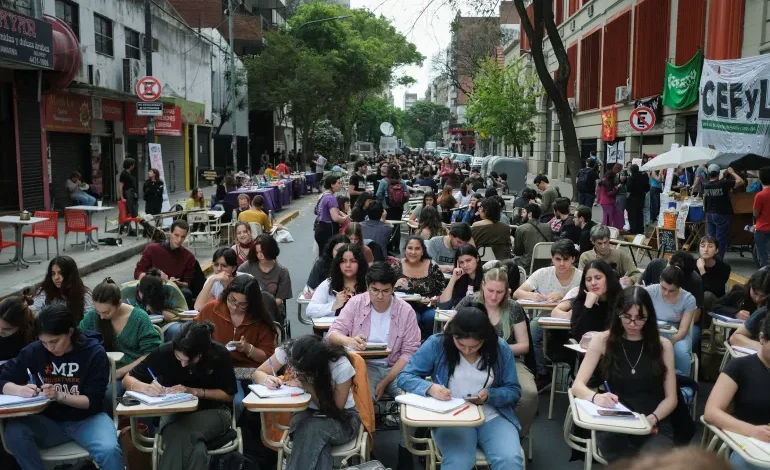
This outcome comes amidst widespread public unrest over Milei’s austerity policies. In recent months, thousands of Argentinians have taken to the streets, protesting cuts to public services, including education. In April, hundreds of thousands participated in demonstrations, with labor unions, opposition parties, and even private universities joining the call for increased funding for higher education.
The decision to uphold the veto has deepened concerns about the future of public education in Argentina. University salaries have already lost a significant portion of their purchasing power due to inflation, leaving many educators struggling to make ends meet. The lack of funding for universities could also have long-term implications for the country’s human capital development and economic competitiveness.
With Milei showing no signs of backing down from his austerity agenda, the future of public services in Argentina remains uncertain, and the social and economic consequences of these policies are likely to be felt for years to come.


The latest news in your social feeds
Subscribe to our social media platforms to stay tuned