





A new report from the World Weather Attribution (WWA) has revealed that climate change significantly intensified Hurricane Helene, which slammed into the southeastern United States last month, killing at least 230 people and causing widespread devastation, Al Jazeera reports.
The report, released on Wednesday, found that the warming climate boosted Helene’s wind speeds and rainfall, and made the high sea temperatures that fueled the storm up to 500 times more likely.
Researchers determined that climate change increased Helene’s wind speeds by roughly 11%, or 13 miles per hour, and boosted the storm’s rainfall by around 10%. This intensified the storm’s impact, leading to record-breaking storm surges of 15 feet high and winds reaching 140 mph when Helene made landfall in Florida on September 26th.
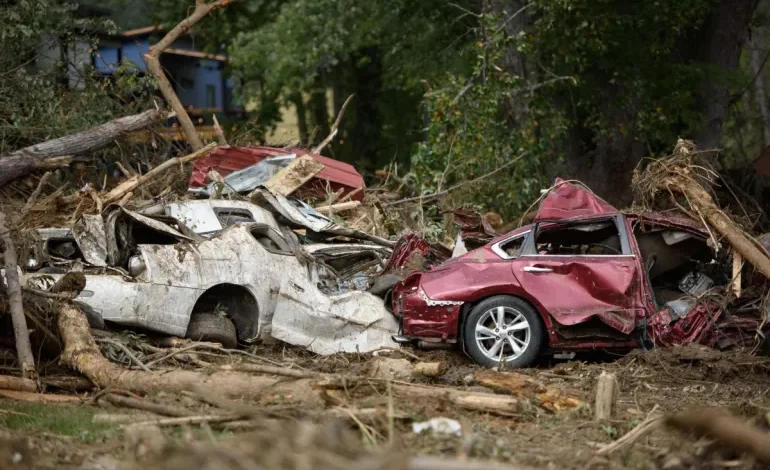
The hurricane’s wrath extended beyond Florida, pummeling Georgia, the Carolinas, Tennessee, and Virginia. It decimated remote towns throughout the Appalachians, leaving millions without power, cellular service, and supplies. The storm’s heavy rainfall, estimated at over 40 trillion gallons, contributed significantly to the death toll, with many succumbing to massive inland flooding.
The WWA report stressed that the rainfall would have been significantly less intense had human activity not warmed the planet. The study stated that climate change made the two-day and three-day maximum rainfall totals about 40% and 70% more likely, respectively.
The report also highlighted a grim warning: if the world continues on its current path of fossil fuel reliance, pushing global temperatures to 2 degrees Celsius above pre-industrial levels, “devastating rainfall events” will become another 15% to 25% more likely.
As Florida braces for the arrival of another hurricane, Milton, the WWA’s findings serve as a stark reminder of the escalating threat posed by climate change and its impact on extreme weather events.



The latest news in your social feeds
Subscribe to our social media platforms to stay tuned