



Wyoming Reports First Anthrax Outbreak in Decades, Killing Moose and Over 50 Cattle
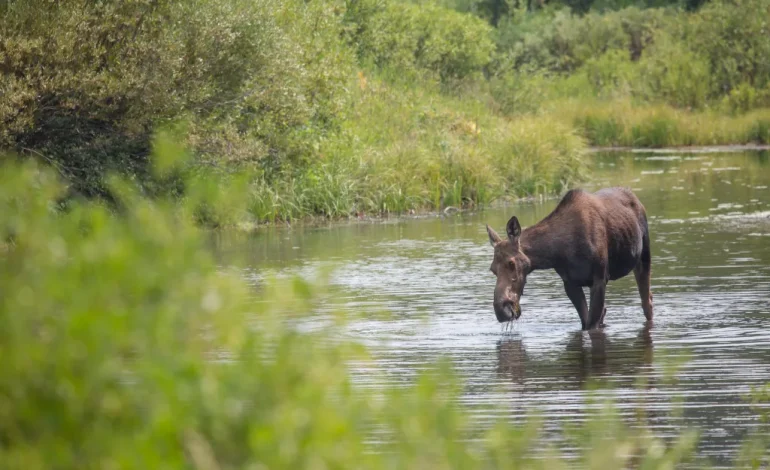

In the past month, anthrax has claimed the lives of a moose and more than 50 cattle in south-central Wyoming, marking the first confirmed cases of the disease in livestock and wildlife in the state in decades, Intermountain Farm&Ranch reports.
The Wyoming Department of Health confirmed Wednesday that no human infections have been reported.
Anthrax, a naturally occurring bacteria found in soil, was last documented in Wyoming livestock in the 1970s and in wildlife in 1956. The current outbreak in the Elk Mountain region has raised concerns among wildlife and veterinary health officials, particularly for ranchers in the area, as anthrax can cause significant economic losses in cattle.
State Veterinarian Dr. Hallie Hasel noted that cattle producers in the region are most affected by this outbreak but reassured them that an effective vaccine is available to protect herds.
“Veterinarians can order an annual vaccine for cattle in at-risk areas to help prevent future losses,” Hasel said.
Anthrax outbreaks in livestock are rare in Wyoming but more common in other areas like Texas, the Dakotas, and western Canada. According to State Wildlife Veterinarian Dr. Samantha Allen, drought followed by heavy rainfall can disturb soil and trigger the emergence of anthrax spores, which can persist for decades.
While anthrax can pose a human health risk, Wyoming health officials, including spokesperson Kim Deti, stressed that there is no immediate danger to the general public. Humans typically become infected through direct contact with infected animals or contaminated animal products, but the disease does not spread from person to person.
The outbreak began approximately a month ago, with the Wyoming State Veterinary Laboratory officially diagnosing anthrax in cattle on August 31. The lab confirmed on September 3 that a moose found dead in the same area also had anthrax. Wildlife and cattle contract the disease by ingesting spores from soil or from coming into contact with infected carcasses. Carnivores, such as coyotes, are less vulnerable to the bacteria.
Symptoms of anthrax in animals include lethargy, difficulty breathing, and rapid death, sometimes within 24 hours. Affected animals often show signs such as bleeding from the nose, mouth, or anus, and they typically bloat quickly after death. The last known case of a wild animal dying from anthrax in Wyoming was in 1956, when a moose was found dead in Sublette County.
The Wyoming Game and Fish Department is urging hunters and livestock producers in the Elk Mountain area to exercise caution. Hunters should avoid shooting animals that appear sick and should not touch or open any carcasses, as this could lead to exposure to anthrax spores. The department also advises using disposable gloves and eye protection when handling wildlife.
Cattle producers in the region are being asked to remove livestock from areas where cattle have become sick, such as irrigated hay meadows, to reduce the risk of further infections. Health officials are also working with residents in high-exposure areas, offering preventative treatments like antibiotics and vaccines.
A town hall meeting will be held tonight at the Elk Mountain Fire Hall to provide more information and address concerns from the community. Health officials continue to monitor the situation and are urging anyone who encounters a dead animal to contact authorities immediately instead of handling the remains.



The latest news in your social feeds
Subscribe to our social media platforms to stay tuned