




The United Nations has issued a dire warning about the rapidly deteriorating humanitarian situation in Sudan, with over 600,000 people on the brink of starvation and famine taking hold in multiple regions, Al Jazeera reports.
UN human rights chief Volker Turk painted a grim picture of a country “looking into the abyss” as the conflict between the military and the Rapid Support Forces (RSF) escalates.
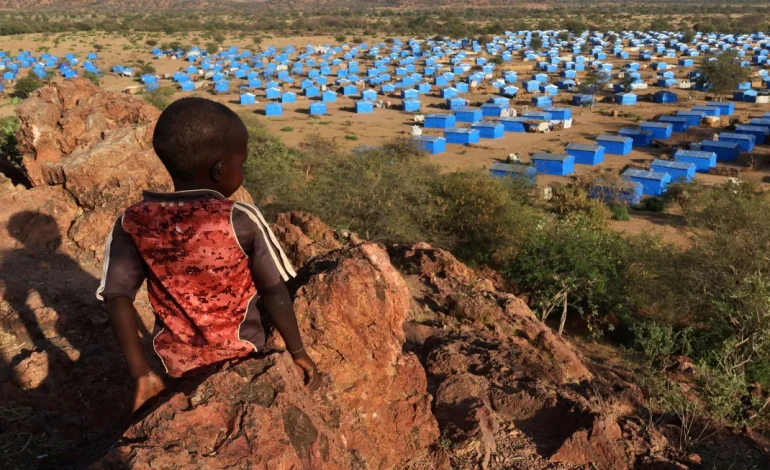
Addressing the UN Human Rights Council on Thursday, Turk stated that famine has already gripped five areas, including the Zamzam refugee camp in North Darfur, a region particularly hard hit by the conflict. He warned that five more areas are at risk of famine in the next three months, with an additional 17 areas considered vulnerable, marking what he described as the “world’s largest humanitarian catastrophe.”
“Sudan is a powder keg, on the verge of a further explosion into chaos, and at increasing risk of atrocity crimes and mass deaths from famine,” Turk warned. He urged immediate action to end the ongoing war, deliver emergency aid, and restore agricultural production.
The situation in Zamzam camp, home to half a million refugees, is particularly critical. Both the World Food Programme (WFP) and Doctors Without Borders (MSF) have been forced to suspend operations in the area this week due to intensified fighting between the military and the RSF. WFP had been providing food to approximately 300,000 residents of Zamzam, but had only reached about 60,000 this month due to shelling, including one attack that destroyed the camp’s central open market.
Satellite imagery confirms the use of heavy weapons in and around Zamzam in recent weeks, according to Edem Wosornu, the UN humanitarian operations director, who addressed the UN Security Council on Wednesday. The camp is located just 12 kilometers (6.5 miles) south of el-Fasher, the capital of North Darfur, a city the RSF has been attempting to seize for months.
The war, which erupted in April 2023, has already claimed tens of thousands of lives and created what Turk called the “biggest displacement crisis in the world,” forcing more than 12 million people from their homes to camps and other locations both inside and outside Sudan.
Turk also expressed concern over recent moves by the RSF to establish governing authority in areas under their control, stating that this could “further entrench divisions and the risk of continued hostilities.”
The UN estimates that approximately 30.4 million people in Sudan are in need of assistance, including food and healthcare. The country’s health system is on the verge of collapse, with less than 30 percent of hospitals and clinics still operational. Disease outbreaks are rampant in displacement camps.
A cholera surge in the southern state of White Nile has killed at least 70 people and infected over 2,200, according to Save the Children, citing data from the Ministry of Health. The outbreak followed a reported drone strike on the Um Dabakar power station, which disrupted access to clean water in the city of Kosti. Since the outbreak began in August 2023, Sudan has recorded over 55,000 cholera cases and more than 1,400 deaths, according to the Health Ministry.


The latest news in your social feeds
Subscribe to our social media platforms to stay tuned