





ANALYSIS: Moldova’s election squeeze
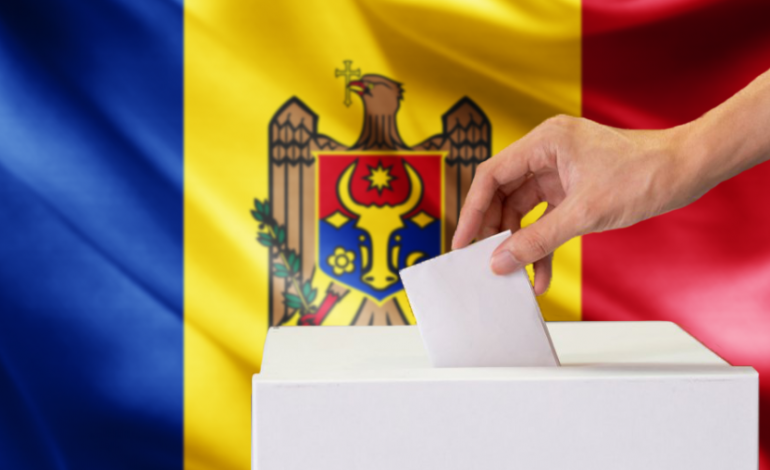

Moldova is three weeks out from a high-stakes parliamentary vote (Sept. 28), and the campaign isn’t just noisy — it’s narrowing. The mechanics look tidy on paper: ballot designs approved, overseas voting arranged, 23 competitors locked in. The atmosphere? Not so tidy. Watch for three converging dynamics: administrative pressure on opponents, a spike in toxic speech, and the evergreen politics of “Russian interference” — all playing out with more than a little echo of US Trump-era tactics and talking points.
Moldova’s election authority (CEC) says it has started printing 2,472 mail ballots, all in Romanian, for voters in 10 countries, with most headed to the US (1,339) and Canada (641), followed by Sweden and Japan. Earlier CEC tallies showed just over 2,600 people registered for mail voting across the same destinations (again, the US and Canada dominate). The numbers don’t perfectly align — registration totals vs. print runs rarely do—but the optics matter. When diaspora votes are scarce, every missing ballot, language constraint, or postal delay becomes political ammunition. The CEC says observers and party reps can watch printing and template destruction — good transparency, but scrutiny will shift to delivery and returns.
There are 23 entries: 15–20 parties depending on the list you read, four blocs, and three–four independents. The CEC placed them in submission order, and the Supreme Court kept one competitor off — rejecting the Modern Democratic Party’s registration—while admitting Moldova Mare after litigation. None of that is unusual in itself; every tight race spawns credential fights. But stacked together with the tone online (more on that below), opposition figures frame it as part of a pattern of administrative squeeze that narrows their field and their airtime while the ruling PAS benefits from incumbency.
If the “mail vote equals fraud risk” debate feels familiar, it should. Moldova piloted postal voting in last year’s presidential vote and referendum. Expanding it to 10 countries now is a step forward, but the small volume (thousands, not tens of thousands) and single-language ballots keep the door open for disputes over access and intent — much like US fights in 2020–24 over where mail ballots are allowed, how they’re counted, and who gets to challenge them.
Promo-LEX’s interim monitor (July 21–Aug. 19) shows a 54% jump in hate-speech incidents vs. the comparable 2021 period. Most of it lives on social platforms and messaging apps, but TV and events aren’t immune. Targets? Politicians, LGBT people, and women. The pattern isn’t unique to Moldova — this is the playbook of polarized elections everywhere — but it raises two local risks:
- Chilling effect on opponents and journalists (self-censorship and fewer public events).
- Security risk if online dehumanization crosses into real-world intimidation or violence.
Disinfo fuel: language, identity, geopolitics.
The report notes slurs and fear-mongering around ethnicity, language, national identity, and sexual orientation. Add Moldovan geopolitics — and you get the third rail.
No Moldovan race happens without someone playing the “Russia is meddling” card. Sometimes the claims have teeth; sometimes they’re just performative politics. Either way, expect:
- Government-side warnings about hostile influence networks and money.
- Opposition counter-claims that “Russian interference” is a pretext to ban, block, or smear critics.
- A feedback loop online, where ambiguous content is labeled “Kremlin-backed” with little nuance — and rebuttals get branded “pro-Russian” on sight.
That ambiguity is the point: in a crowded ballot with narrow margins, the accusation alone can be enough to delegitimize a rival or prime a post-election challenge.
Why this feels a lot like Trump-era America? In the US, fights over absentee/mail rules became a stand-in for “the system is rigged.” Moldova’s tiny mail universe makes fraud structurally unlikely — but that doesn’t stop the narrative from being weaponized.
Candidate registration and ballot order fights echo US “lawfare” trends: use process to bleed opponents’ time and credibility even when you lose on the merits.
US platforms struggled to moderate election lies and targeted harassment; Moldova’s infosphere is smaller but looser, which makes amplification cheaper and blowback faster.
In the US, “Russia” became political shorthand. Moldova flips the polarity but keeps the same incentive: attach an opponent to a foreign boogeyman and let insinuation do the rest.
Moldova is staging a technically competent election under politically combustible conditions. Administrative decisions (who’s on the ballot, how the diaspora votes) and the weaponization of online hate are already shaping the playing field. Add in accusations of Russian meddling and a US-style fight over mail voting and legitimacy, and you get a contest where the scoreboard on Sept. 28 might be less important than who the public believes — and why.



The latest news in your social feeds
Subscribe to our social media platforms to stay tuned