


Trump moves to blacklist Muslim Brotherhood branches as terrorist groups
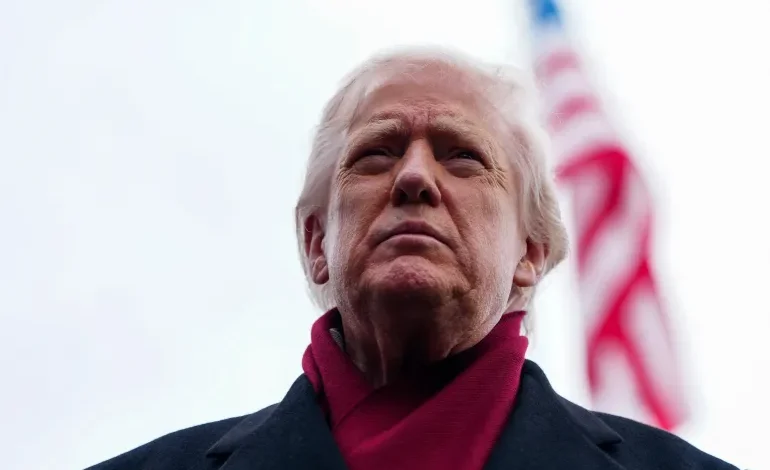

Donald Trump has ordered his administration to begin the process of designating branches of the Muslim Brotherhood in Egypt, Lebanon and Jordan as “terrorist” organisations, arguing they provide support to Hamas and threaten US interests in the region.
The directive was issued on Monday as Washington ramps up its hardline approach toward groups it sees as aligned with Israel’s adversaries. According to the decree, Muslim Brotherhood figures in Jordan are accused of offering “material support” to Hamas, while the Lebanese offshoot, al-Jamaa al-Islamiya, is alleged to have sided with Hamas and Hezbollah in their conflict with Israel.
The order also claims that a Muslim Brotherhood leader in Egypt “called for violent attacks against United States partners and interests” during Israel’s war on Gaza, though the White House did not specify the incident it was referencing. The group has been banned in Egypt for years and largely forced underground.
“President Trump is confronting the Muslim Brotherhood’s transnational network, which fuels terrorism and destabilization campaigns against US interests and allies in the Middle East,” the White House said.
Under the directive, the secretary of state and treasury secretary must consult with US intelligence agencies and submit a report within 30 days on whether the designation should move forward. A formal “foreign terrorist organisation” label would then be applied within 45 days of that report.
While the process is procedural, it usually signals an outcome that is already politically decided. The order also leaves room for extending the designation to other Brotherhood-linked groups beyond the three countries named.
If approved, the labels would make it illegal to provide material support to the organisations, restrict entry of current and former members into the US, and open the door to financial sanctions aimed at cutting off funding.
Founded in 1928 by Egyptian scholar Hassan al-Banna, the Muslim Brotherhood has long operated through political parties and social organisations across the Middle East, often positioning itself as a movement committed to electoral participation. Several governments, however, have outlawed the group, citing security concerns.
The latest news in your social feeds
Subscribe to our social media platforms to stay tuned