



Foreign Tourists Hit With Steep New Fees To Visit US National Parks Next Year
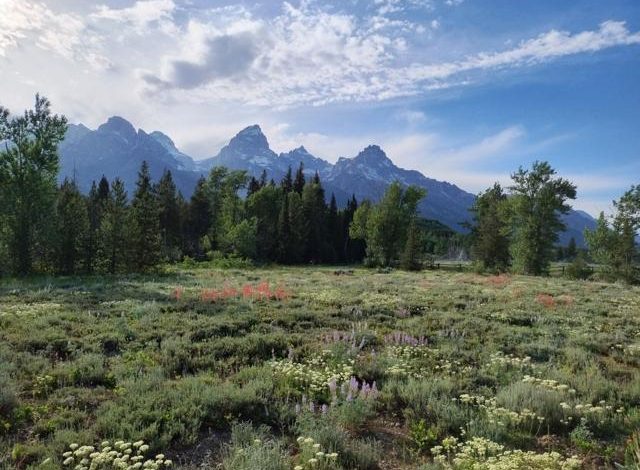

Starting Jan. 1, visiting America’s national parks is going to get a lot more expensive for foreigners — while staying relatively cheap for US residents, Gillette News Record reports.
The Department of the Interior has rolled out an “America-first” pricing overhaul for park passes that sharply raises entrance costs for international visitors.
Under the new system:
- Foreign visitors will pay $250 for an annual national parks pass.
- US residents will still pay $80 for the same annual pass.
- At the 11 most-visited parks — including Yellowstone and Grand Teton — foreigners will also pay a $100 surcharge on top of the existing $35 entrance fee, bringing their total to $135 per visit.
The Interior Department says the higher prices are justified because American taxpayers already help fund the parks through federal taxes, while international visitors do not.
The extra revenue is meant to tackle a massive $23 billion backlog in maintenance and modernization projects across the National Park System — everything from aging roads and campgrounds to visitor centers and infrastructure.
Officials don’t expect a huge drop in overall visitation, but a congressional memo admits the exact impact on international travel is “challenging to estimate.”
In tourism-heavy Teton County, locals are split.
State Sen. Mike Gierau, who also co-chairs JH AIR, worries the message to foreign guests isn’t great.
“It just seems to me like we’re sending an inhospitable message,” he said, noting that international tourism is already down because of “general nervousness about the things that are happening in America right now.”
To him, this feels like “more of the same.”
Others see it differently.
Taylor Phillips, owner of Jackson Hole EcoTour Adventures, backs the surcharge, arguing that foreign visitors are still getting incredible value.
“I don’t think it’s a hindrance,” he said. “Whether it’s $35 or $135, it’s still one of the best things in America.”
Phillips estimates 10–15% of his customers are from overseas. He’s noticed fewer foreign visitors this year, but doesn’t think the higher park fee will scare them off.
The Interior Department is also rolling out several other changes:
- Digital annual passes that visitors can buy and access online.
- More “resident-only patriotic” fee-free days — but only for US residents.
- Updated pass designs featuring “bold, patriotic” graphics.
- A new rule allowing two motorcycles to enter on one pass.
In 2025, there were six fee-free days for all visitors. In 2026, there will be eight, but only US. residents qualify.
On top of that, the lineup of free days is changing. The Interior Department:
Removed:
Martin Luther King Jr. Day;
Juneteenth;
National Public Lands Day.
Added:
Flag Day / President Trump’s birthday;
Constitution Day;
Theodore Roosevelt’s birthday.
Right now, individual parks keep about 80% of the fees collected at their own gates; the other 20% goes to the National Park Service as a whole.
With more passes being sold digitally instead of at park entrances, Phillips worries places like Grand Teton could lose out on local revenue. The park currently brings in roughly $4.5 million a year from entrance fees.
“With more and more business deals done online, I think it’s important to modernize the system,” he said. “But if that decreases the revenue that each park unit has, that 100% needs to be talked about and looked at.”
For now, one thing is clear: Americans will still get a bargain at the gate, while foreign visitors are about to feel a lot more of the cost of keeping those iconic landscapes open and maintained.



The latest news in your social feeds
Subscribe to our social media platforms to stay tuned