




The original story by Sean Barry for Cowboy State Daily.
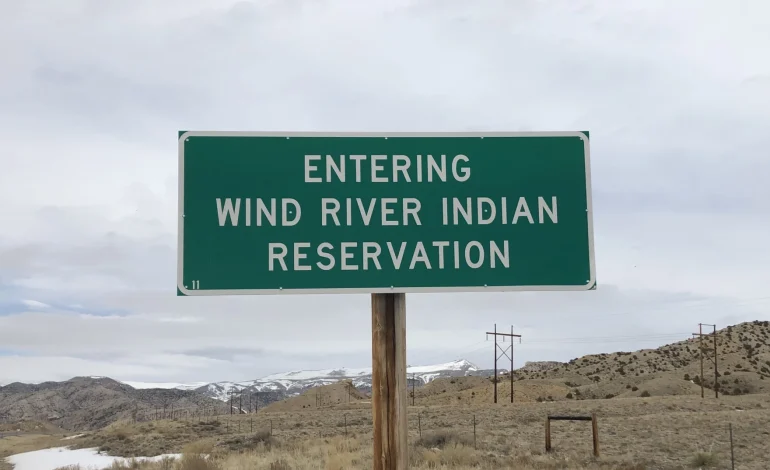
Wyoming Congresswoman Harriet Hageman is turning up the heat on federal law enforcement, saying drug cartels are preying on Native American tribes and that the Biden administration’s immigration policies helped open the door.
On Monday, Hageman co-signed a letter with House Judiciary Committee Chairman Jim Jordan, R-Ohio, asking FBI Director Kash Patel for detailed crime statistics and enforcement data from “Indian Country” during President Joe Biden’s time in office.
“The complex jurisdictional authority for tribes to prosecute certain criminal offenses on reservations and the shortage of tribal law enforcement officers make Indian reservations prime locations for dangerous cartel operations,” Hageman and Jordan wrote.
They argue that people who crossed the border illegally are now working hand-in-hand with cartels to move fentanyl, meth and other drugs into Native communities, fueling addiction and violent crime.
The House Judiciary Committee oversees federal law enforcement agencies like the FBI, and Hageman and Jordan clearly want more than just information. Their letter asks for:
- Crime statistics on tribal lands during the Biden administration;
- Details on any enforcement surges or special operations on reservations this year;
- Data on case openings and resolutions involving tribal lands.
Jordan’s spokesman, Russell Dye, said that information could be used to push new laws.
“The problem grew exponentially because of the Biden border crisis, and hopefully our oversight will … help us consider any legislative reforms to stop it,” Dye said in an email.
The letter doesn’t name any specific tribes or reservations, but paints a broad picture of how cartels allegedly operate on Native lands.
According to Hageman and Jordan, during the Biden years:
- About 8 million “illegal aliens” have entered the country;
- Roughly 6 million were released into US communities;
- Nearly 2 million more are estimated “gotaways” who evaded Border Patrol.
On reservations, they say, cartel members seek out tribal citizens already struggling with unemployment, addiction or money problems.
“Cartel operatives recruit and take advantage of vulnerable tribal members … and offer these individuals quick cash to transport or distribute narcotics,” the letter says.
From there, they argue, the pattern is familiar: addiction spreads, overdoses rise, people go missing, and anyone who resists or reports cartel activity faces “threats, intimidation, and violence.”
Jurisdiction is a big part of the complaint. Tribal police can generally only charge tribal members, while state and local officers often have limited authority on reservation land. That, Hageman and Jordan say, “leave(s) tribal communities vulnerable to rapid cartel infiltration and little proactive federal assistance.”
“The cartels exploit these vulnerabilities intentionally, leaving tribal communities to bear the consequences,” the letter says.
In an email to Cowboy State Daily, Hageman said the goal is to push the federal government to take crime on tribal lands more seriously.
“Our oversight, partnered with the strong work of the Trump administration, aims to ensure the federal government prioritizes public safety in Indian Country, supplies adequate resources, closes jurisdictional loopholes, and holds cartel operatives accountable wherever they strike,” she said.
That means, in her view, more data from the FBI, more boots on the ground, and more transparency about what federal agencies are actually doing.
She said the effort involves “clear data, increased personnel, and transparent partnership with the FBI to restore safety and justice for Native Americans living on reservations.”
Monday’s letter isn’t coming out of nowhere. It follows testimony FBI Director Kash Patel gave to the House Judiciary Committee in September.
Patel told lawmakers about Operation Not Forgotten, a Justice Department effort that ran from April to October and reviewed roughly 1,900 open criminal cases on tribal lands. He said the FBI increased staffing and secured about 600 indictments tied to those cases.
Now Hageman and Jordan want the details — including:
- How much money and manpower the FBI is dedicating to crime on tribal lands;
- What came out of Operation Not Forgotten beyond those topline numbers;
- How the bureau tracks crime trends in Indian Country over time.
“Cartels and transnational drug traffickers exploited the Biden administration’s broken border and immigration policies to flood tribal lands with illegal drugs and violence,” Hageman said. “Tribal law enforcement faces resource and jurisdiction challenges which too often leave cartels free to operate with near impunity.”
For now, the ball is in the FBI’s court. The bureau is expected to respond to the Judiciary Committee’s request, and depending on what it hands over, Congress could be gearing up for hearings — and possibly new legislation — aimed at how the federal government polices crime on tribal lands.

The latest news in your social feeds
Subscribe to our social media platforms to stay tuned