




BBC, Reuters, the Guardian, Bloomberg, the Financial Times, and the Independent contributed to this report.
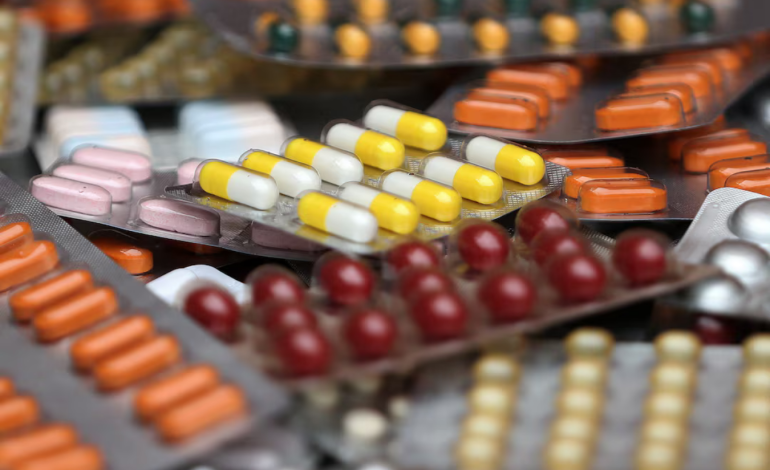
The US and UK rolled out a sweeping pharmaceutical trade deal Monday that keeps American tariffs on British-made medicines at zero — but only after Britain agreed to spend more on drugs and loosen the rules that decide whether new treatments are worth the money.
It’s a major win for drugmakers on both sides of the Atlantic, though not without political controversy at home.
Under the agreement, Britain will boost the net price it pays for new US medicines by 25%, a concession Washington has been pushing for since President Donald Trump began pressuring European governments to “pay their fair share” for American pharmaceuticals.
In exchange, UK-made drugs, active ingredients, and medical tech will be exempt from current Section 232 tariffs and any future Section 301 tariffs for at least the next three years.
US Trade Representative Jamieson Greer called the pact “a negotiated outcome that will drive investment and innovation in both countries.”
For the UK, which exports more than £11 billion in medicines to the US annually, the tariff security is a massive relief — especially as Trump has repeatedly threatened to slap pharma imports with tariffs as high as 100%.
A central component of the deal is a long-sought change to NICE, the UK agency that decides whether new drugs are cost-effective for the NHS.
- The key threshold for approving new medicines — the quality-adjusted life year (QALY) standard — will rise from £30,000 to £35,000.
- The change applies to all new drugs, not just US products.
- Existing medicine prices won’t be affected.
The British government says the update reflects the economic realities drugmakers face worldwide, but critics warn it could significantly increase NHS spending.
Pharma groups, who’ve long argued UK pricing rules are too restrictive, welcomed the change. The ABPI, which represents major drugmakers, said the deal “helps restore the UK as an attractive market for innovation.”
Drugmakers — many of which have threatened to scale back UK investment — immediately applauded the agreement.
Bristol Myers Squibb CEO Chris Boerner said the reforms mean the company now expects to invest over $500 million in the UK within five years.
GSK called the deal “a real opportunity” to secure the UK’s role as a global life sciences leader.
Shares of major UK pharma companies were largely unchanged, though analysts noted the UK represents only a small sliver of global drug revenues.
Another major sticking point — the NHS rebate program — is also being restructured.
Drugmakers currently return as much as 23–35% of their sales revenue to the NHS when medicine spending exceeds budget targets, far higher than comparable EU rates.
Under the new deal, the rebate will drop to 15% starting in 2026.
Industry leaders say this levels the playing field and makes the UK more competitive with Europe.
The agreement arrives as the Trump administration faces legal challenges over the sweeping tariffs imposed under Section 232 and Section 301. The Supreme Court is expected to weigh in early next year.
Lawyers say locking in as many bilateral deals as possible now gives the US more leverage if the Court limits tariff powers later.
“If countries are bound by detailed agreements, they can’t just demand tariffs be removed,” trade attorney Ryan Majerus explained.
The deal comes after a string of high-profile investment pauses by AstraZeneca, Merck, and others who warned that the UK’s tough pricing environment was discouraging research and manufacturing.
Now, with tariffs eliminated and drug evaluation rules eased, the government hopes to reverse that trend — even if it means higher costs for the NHS.
British officials say the changes will raise drug spending from roughly 9.5% of the NHS budget to around 12%, costing taxpayers an estimated £3 billion once fully implemented.
“We need to spend more on medicines,” one government source said. “Ultimately, this should save money overall.”
The US–UK pharmaceutical deal gives British drug exports guaranteed tariff-free treatment — something no other nation has secured — while delivering American drugmakers higher prices and a friendlier regulatory environment.
But it also raises big questions at home: How much more will the NHS end up spending? And will the promised investment from pharma giants materialize quickly enough to justify the cost?
For now, both governments are celebrating a rare, high-stakes trade win — even if the bill has yet to come due.


The latest news in your social feeds
Subscribe to our social media platforms to stay tuned