


Meta starts purging under-16s as Australia launches world-first youth social media ban
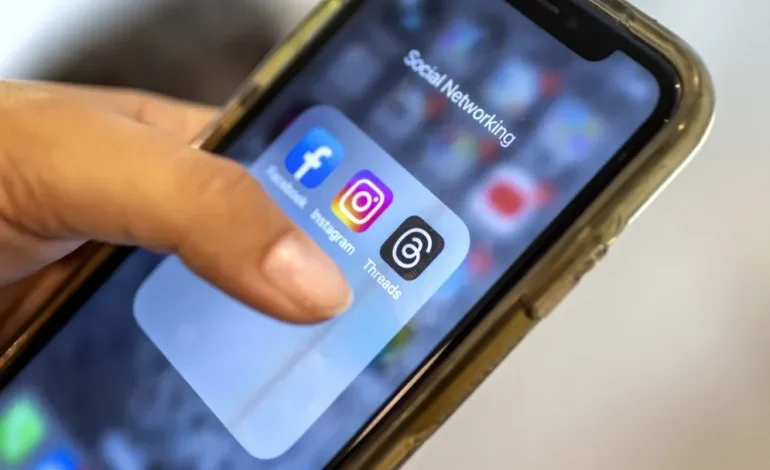

Meta has begun removing Australian users under the age of 16 from Instagram, Facebook and Threads ahead of the country’s sweeping new youth social media restrictions set to take effect on December 10. Thousands are expected to be kicked off platforms as tech companies brace for a global policy test.
“While we are working hard to remove all users who we understand to be under the age of 16 by 10 December, compliance with the law will be an ongoing and multilayered process,” a Meta spokesperson said on Thursday.
Australia’s new rules require ten major platforms, including YouTube and TikTok, to block underage users. Violations could cost companies AUS$49.5m (about US$32m). Instagram alone has around 350,000 Australian users aged 13 to 15.
Some platforms, such as Roblox, WhatsApp and Pinterest, are currently exempt. Twitch was added to the restriction list just two weeks ago.
Meta says it will comply, but pushed for a different approach. It wants app stores to handle age verification at the download stage rather than leaving platforms to police every user.
“The government should require app stores to verify age and obtain parental approval whenever teens under 16 download apps,” the company argued, saying this would remove the need for repeated verification across platforms.
YouTube has been even more vocal, claiming that blocking young teenagers could make them “less safe,” as they could still browse without accounts but lose safety filters. Australia’s Communications Minister Anika Wells dismissed that logic as “weird”.
“If YouTube is reminding us all that it is not safe and there’s content not appropriate for age-restricted users on their website, that’s a problem that YouTube needs to fix,” she said.
Wells defended the law with grim examples. Some Australian teens had taken their own lives after algorithms amplified content that destroyed their self-esteem, she said.
“This specific law will not fix every harm occurring on the internet, but it will make it easier for kids to chase a better version of themselves.”
The Digital Freedom Project has already challenged the legislation in the High Court, calling it an “unfair” restriction on speech. Even regulators admit that no solution will stop determined teenagers from dodging age checks with VPNs or fake IDs.

The latest news in your social feeds
Subscribe to our social media platforms to stay tuned