



This year’s World Cup draw isn’t just about football, it’s shaping up as a political spectacle, with US President Donald Trump positioned as one of the main characters in a show FIFA usually keeps strictly apolitical.
On Friday, the Kennedy Center will host the draw for the largest World Cup ever staged: a 48-team, three-country marathon across the United States, Mexico and Canada. For Trump, whose second presidency overlaps with the tournament and America’s 250th birthday, the event has become a kind of flagship celebration.
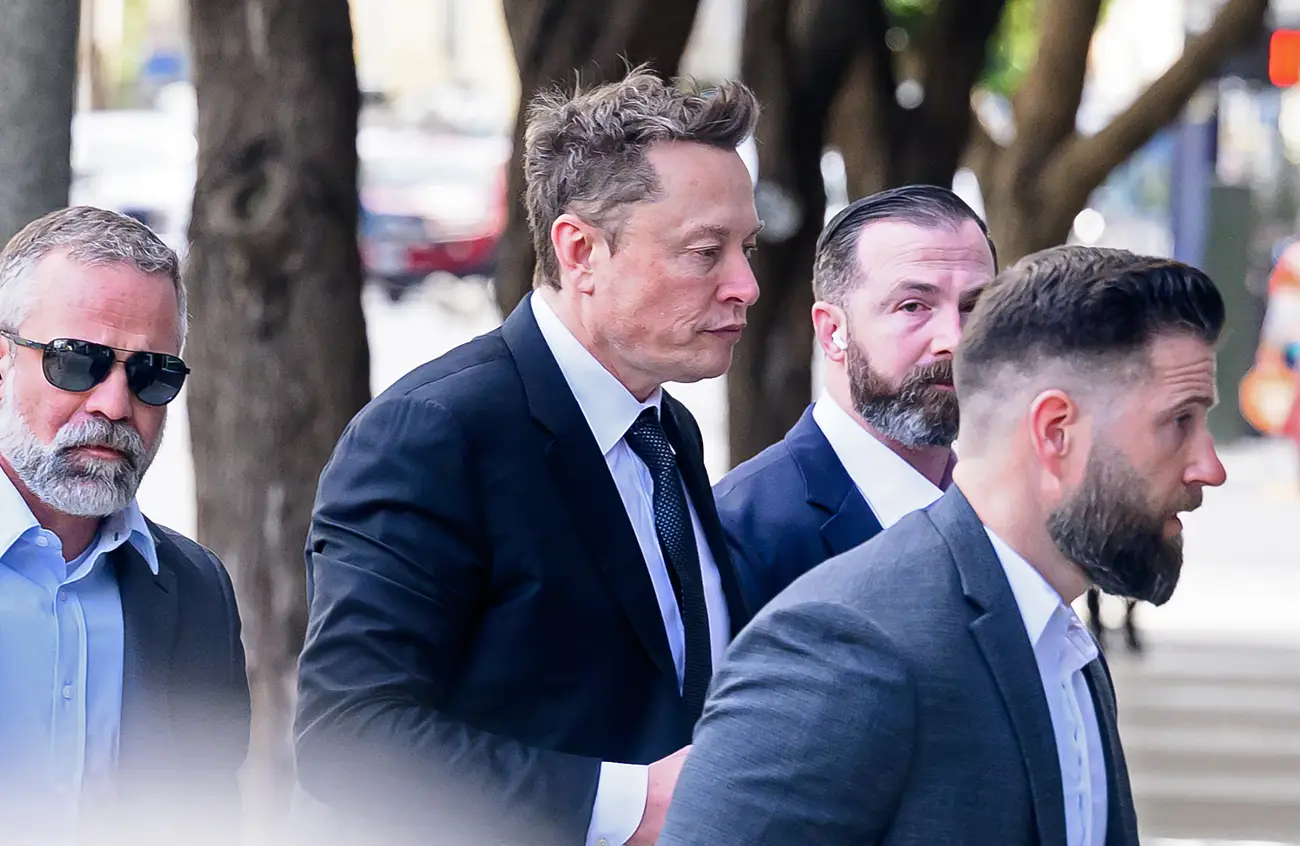
The White House confirmed on Tuesday that Trump will attend, underscoring his unusually close relationship with FIFA president Gianni Infantino. Infantino has visited Trump repeatedly, joined him at summits, and, according to many in the football world, is expected to hand Trump the inaugural FIFA Peace Prize at the ceremony.
That’s one way to frame a global event already tangled in geopolitics.
Iran announced it will boycott the draw, saying the US refused entry visas to several members of its delegation. Iranian federation president Mehdi Taj complained:
“We have told the head of FIFA … that it is purely a political position and that FIFA must tell (Washington) to desist from this behaviour.”
Even domestically, politics isn’t staying out of the stadium aisles. Trump has repeatedly threatened to pull matches from Democratic-run cities if he decides their security or policies aren’t to his liking.
But football marches on, and Friday’s draw will carve the 48 contenders into 12 groups. Favorites include Argentina, chasing back-to-back titles, as well as the US, Mexico and Canada, who qualify as hosts. Usual heavyweights Brazil, France, Germany, England, Spain, Portugal, the Netherlands and Belgium round out the top seeds.
Cristiano Ronaldo, who will be 41 by kickoff, is set for a final World Cup run with Portugal and hasn’t bothered to hide his ambition to finally lift the trophy.
The expanded format has opened the door to debutants too: Cape Verde, Jordan and Curacao are all set for their first World Cup, a rare chance to hit the global stage.
Six playoff spots are still hanging, and nobody wants to see Italy in their group. The four-time champions haven’t qualified since 2014 but can still punch a late ticket by winning two do-or-die matches.
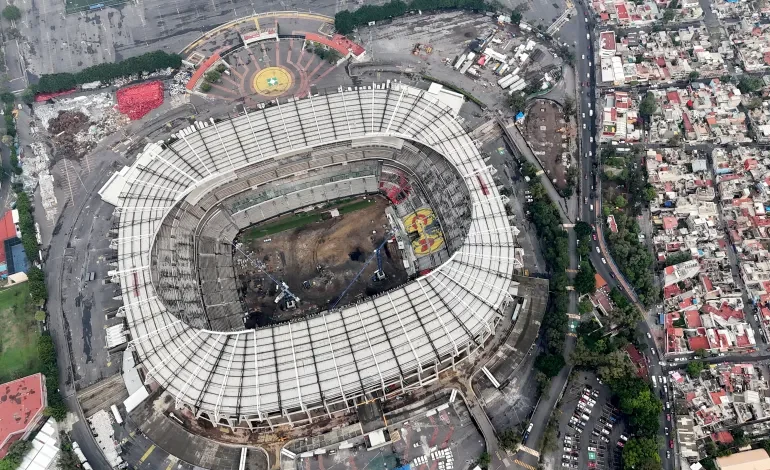
The opening match returns to the legendary Azteca Stadium in Mexico City, host of the 1970 and 1986 finals. The tournament then sprawls across North America for nearly six weeks before landing at the MetLife Stadium in New Jersey for the July 19 final.
Fans, however, may feel the first sting of the expansion: FIFA’s dynamic ticket pricing is pushing costs to the stratosphere. On resale platforms like StubHub and SeatGeek, the cheapest seats for the final are already hovering around $7,000.

The latest news in your social feeds
Subscribe to our social media platforms to stay tuned