


Lebanon–Israel hold first direct talks in 40+ years, but Beirut insists ‘this is not peace’

Civilian representatives from Lebanon and Israel have sat at the same negotiating table for the first time in more than four decades, joining a US-chaired ceasefire monitoring session in Naqoura, a rare moment of dialogue between two countries still technically at war.
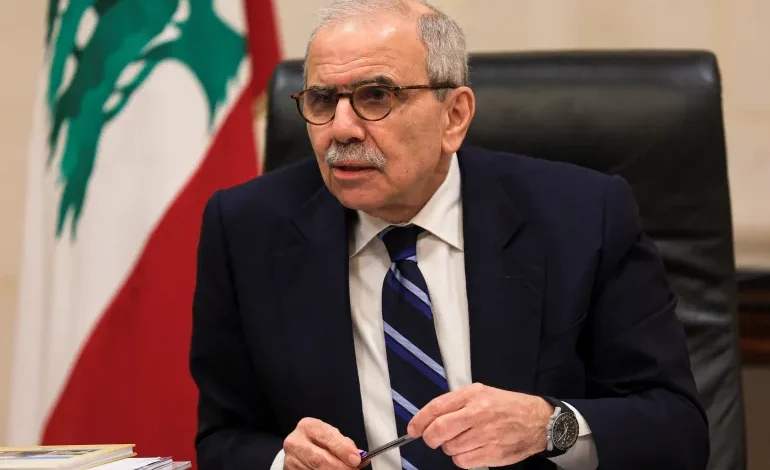
Lebanese Prime Minister Nawaf Salam welcomed the talks but set firm limits on their scope.
“These negotiations are aimed solely at ‘the cessation of hostilities’, the ‘release of Lebanese hostages’, and ‘the complete Israeli withdrawal’ from Lebanese territory,” Salam said, stressing that the move is not a peace process. “Normalisation is tied to a peace process,” he added.
He reiterated Lebanon’s adherence to the 2002 Arab Peace Initiative, which links full normalisation with Israel to a complete withdrawal from territories occupied in 1967. Beirut, he said, is not preparing for a separate peace.
The introduction of civilian envoys was described as an “important step” toward grounding talks in both military and civil dialogue, a potential tension valve after weeks of deadly escalation, including recent Israeli air strikes on Beirut.
The US has been pushing to broaden the committee’s remit beyond monitoring the 2024 ceasefire with Hezbollah. But fears of renewed fighting linger: Israel continues routine strikes in Lebanon and has maintained troop presence in five areas of the south despite withdrawal obligations.
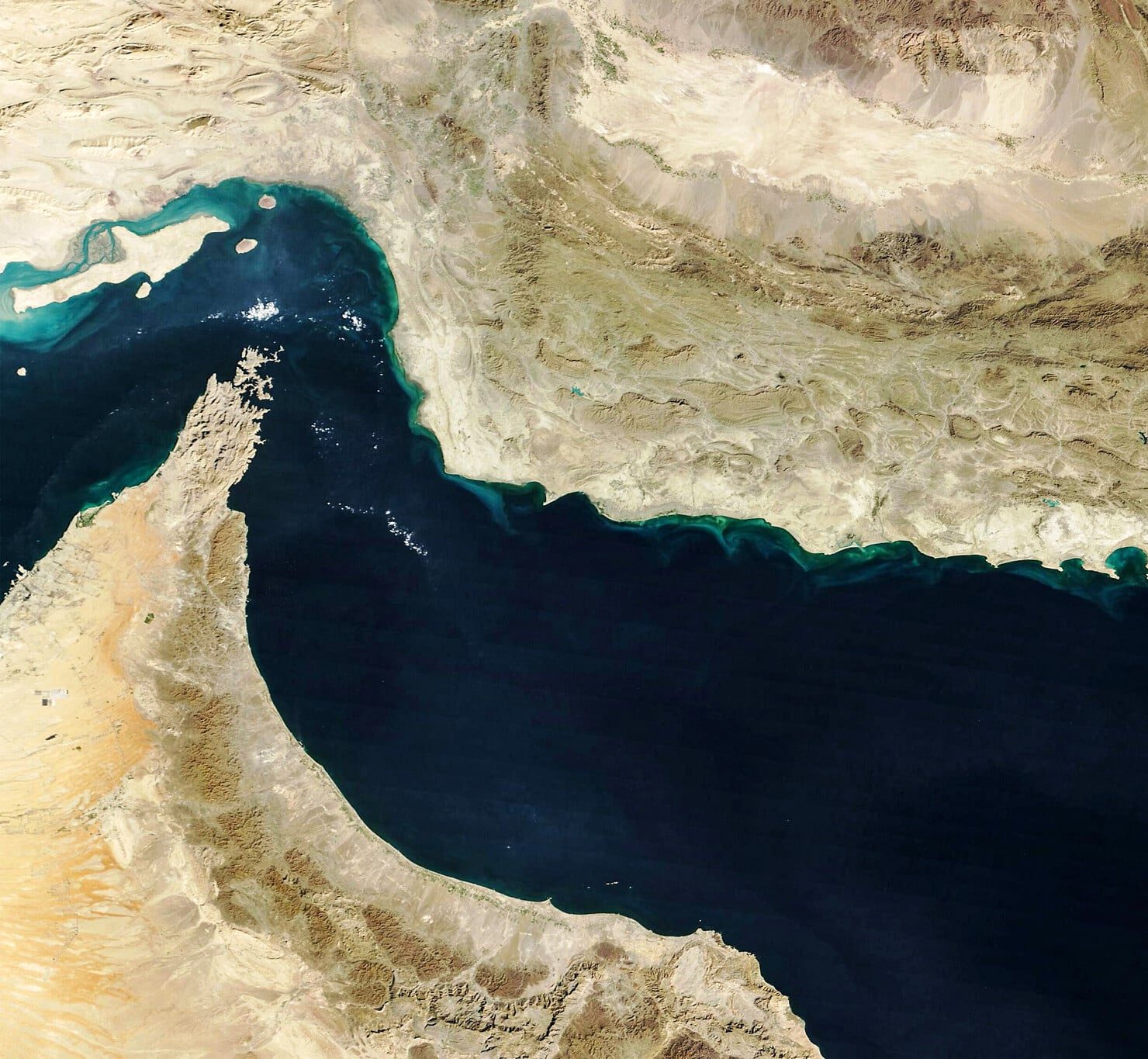
The Naqoura meeting lasted around three hours along the Blue Line frontier. Whether diplomacy can outpace the artillery remains an open question — but after forty years of silence, even cautious dialogue is notable.



The latest news in your social feeds
Subscribe to our social media platforms to stay tuned