






The original story by Grace Swanke for Wyoming News Now.
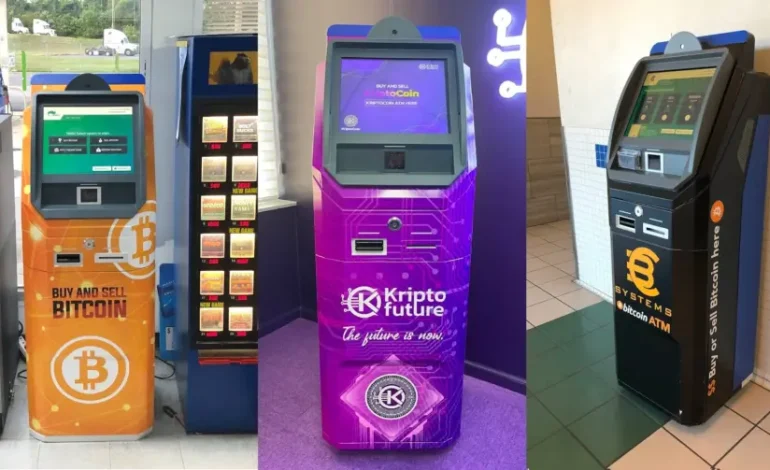
Wyoming lawmakers are moving to crack down on so-called virtual currency kiosks — crypto ATMs that look like regular cash machines but are increasingly being used to rip people off.
These kiosks let users deposit cash and convert it into digital currencies like Bitcoin, which can then be sent almost instantly anywhere in the world. That convenience is exactly why scammers love them.
“Unfortunately the money goes into these machines, gets turned to cryptocurrency, and then is easily transferred into a scammer’s online wallet,” said Tom Lacock with AARP Wyoming.
Lacock says there are about 50 crypto kiosks in the state, and they’re showing up again and again in fraud cases.
Cheyenne Police say that in just the last 16 months, they’ve logged 40 complaints related to the machines. In Cheyenne alone, losses tied to these kiosks total roughly $500,000.
A draft bill now under discussion would give the state banking commissioner the power to write rules specifically for these kiosks. The idea is to better protect Wyoming residents from scams without banning the machines outright.
Sixteen other states already regulate virtual currency kiosks. In one striking example, the Iowa secretary of state went back and audited older transactions and found that about 90% of them were tied to fraud or scams.
The pattern is often the same: someone gets a phone call or message from a supposed government agency, utility, debt collector or tech support representative demanding immediate payment.
“Understand that if somebody calls and tells you to address a fine, to address a debt, using a crypto kiosk, just understand it is almost entirely a scam,” Lacock warned.
Once the victim feeds cash into the machine and sends Bitcoin to the scammer’s wallet, the money is almost impossible to trace or recover.
Lawmakers and consumer advocates say the goal isn’t to kill off crypto kiosks, but to rein in abuse and educate the public.
They’re looking at ways to:
- Add limits or safeguards on transactions;
- Increase transparency and oversight;
- Boost public awareness so people recognize red-flag situations before they lose money.
“The ultimate goal is to figure out how to keep these machines moving, but make sure that citizens understand how these machines are being used by scammers, and put on some limits,” Lacock said.
The next legislative meeting on the issue is scheduled for Dec. 15 in Cheyenne, where lawmakers will continue hammering out details of the proposed regulations.


The latest news in your social feeds
Subscribe to our social media platforms to stay tuned