



The Wyoming Farm Bureau Federation wrapped up its 106th Annual Meeting in Gillette earlier this month, where members from across the state gathered to hammer out policy on everything from wildfire response to livestock ID rules, the Fence Post reports.
The Nov. 13–15 gathering is part of the group’s long-standing grassroots process, where ideas bubble up from county meetings, move through district review and finally land on the statewide floor for debate.
“Our grassroots policy development process provides a solid foundation for the advocacy work we do for our members,” said WyFB Executive Vice President Kerin Clark.
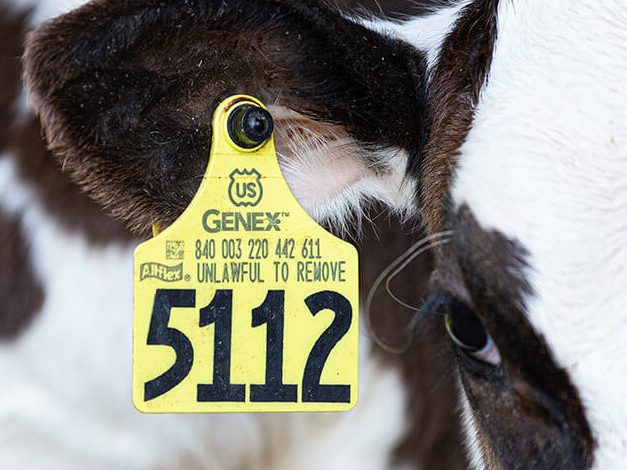
Not surprisingly, livestock identification was a hot topic. Delegates stood firm that traditional branding should remain Wyoming’s main system for proving livestock ownership and tracking disease.
Members emphasized that brands have been the backbone of Wyoming ranching for more than a century — and they want to keep it that way.
After two tough wildfire seasons, members dug deep into how the state responds to and recovers from fires.
Clark said there was strong agreement that landowners, grazing permittees, and state and federal agencies must work more closely together.
Members also raised red flags about who pays for post-fire reclamation, especially when suppression lines cut across private land. Coal-seam fires sparked another concern, with members arguing those surface fires should fall under state or federal land managers’ responsibility.
Members reaffirmed their opposition to using Wyoming water to produce hydrogen fuel, worried it could divert the state’s limited water supply from higher-priority uses.
They also pushed for stricter limits on radioactive waste storage, saying any temporary or long-term storage should stay in the county where it was created — or outside Wyoming altogether.
Delegates made it clear they want to preserve in-person voting and keep local precinct polling places, rather than shifting toward centralized voting centers.
Other notable positions adopted:
- Opposition to preemptive power shutoffs during high-wind “red flag” fire conditions.
- Support for taxing only improvements, not the land itself, on government-owned properties leased for private use.
- A call for a deep-dive efficiency review of WYDOT, amid talk of raising fuel taxes to cover road maintenance.
The policies approved in Gillette will direct the Farm Bureau’s advocacy in the year ahead.
As Clark put it, WyFB remains focused on “strengthening Wyoming agriculture and enhancing Wyoming communities.”



The latest news in your social feeds
Subscribe to our social media platforms to stay tuned