


With input from Axios, Bloomberg, Reuters, and the New York Times.
Look for an interest rate cut on Wednesday. Just don’t expect the Federal Reserve to promise many more after that.
The central bank kicks off a two-day policy meeting with officials unusually split over what to do next. After six weeks of public sniping between hawks and doves, the most likely outcome is a quarter-point rate cut now paired with a “wait and see” message for 2026.
On one side, Fed hawks — including several regional bank presidents — have spent weeks arguing the Fed should hold rates steady until there’s clearer evidence the labor market is really weakening.
On the other, a vocal dovish bloc — including three Trump-appointed governors — has pushed for more cuts, saying rates are still too high and are choking off growth as job-market data softens.
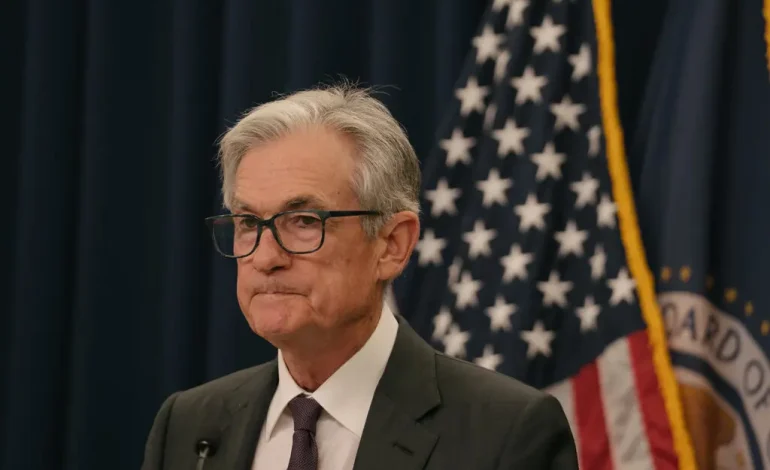
Fed leadership — Chair Jerome Powell, Vice Chair Philip Jefferson and New York Fed President John Williams — has been trying to steer a middle course.
In the final days before the Fed’s pre-meeting “blackout” period, a compromise started to emerge:
- Cut in December,
- But signal a high bar for any additional cuts in 2026.
Williams hinted at that approach, saying recently he sees “room for further adjustment in the near term,” while influential voices like San Francisco Fed President Mary Daly publicly backed a December cut. Even normally cautious voters like Austan Goolsbee (Chicago) and Susan Collins (Boston) have stopped short of saying they’d outright oppose it.
The big question now isn’t whether the Fed cuts on Wednesday — markets are overwhelmingly betting it will — but how hard Powell leans against expectations for more moves next year.
Goldman Sachs chief US economist David Mericle expects Powell to stress that “the bar for future cuts has risen”, and to explain why some officials opposed easing at all. At the same time, the Fed can’t lock itself in too tightly, he noted, because a January cut could still be appropriate if the data turn south.
Translation:
- Cut now;
- Promise nothing later.
The split vote could be striking. If four or more officials dissent, it would be the biggest internal split since 1992, underscoring just how tricky this moment is.
All of this is happening as Powell’s term runs down and the political temperature rises.
- President Donald Trump has been hammering the Fed for not slashing rates faster and wants the benchmark below 2%.
- He’s widely expected to replace Powell when his term ends in May 2026, with Kevin Hassett seen as a leading contender.
Hassett, now running the White House National Economic Council, has been careful not to “count cuts” in public, but he’s made it clear he also wants lower rates. Still, he says the Fed shouldn’t pre-commit:
“The Fed chair’s job is to watch the data and to adjust and to explain why they’re doing what they’re doing,” Hassett said. “To say, ‘I’m going to do this over the next six months’ would be irresponsible.”
For Powell, that means threading a very small needle:
- Cut enough to support a slowing job market,
- Signal he still takes inflation seriously,
- Keep a deeply divided committee together,
- And avoid looking like he’s caving to political pressure.
No wonder former Fed officials say you can make a “perfectly good case” for cutting and an equally reasonable case against it.
But barring a shock, the compromise seems set: a small rate cut this week — and a very clear warning that it might be the last one for a while.

The latest news in your social feeds
Subscribe to our social media platforms to stay tuned