




Tension sharpened over the East China Sea this weekend after Japan accused Chinese fighter jets of aiming fire-control radar at its aircraft during two encounters near Okinawa. Defence Minister Shinjiro Koizumi said the incidents happened over international waters and were serious enough for Tokyo to lodge a strong protest and demand guarantees that it will not happen again.
Koizumi posted on X that the radar lock was a dangerous act that exceeded what is required for safe flight. A fire-control lock is one of the most aggressive signals in military aviation, since it implies the aircraft is preparing to fire and forces the target to react.
China pushed back quickly. A navy spokesperson said a Japanese self-defence aircraft approached and disrupted Chinese training, describing Tokyo’s account as inconsistent with the facts.
The two encounters unfolded near islands claimed by both countries, marking the most serious run-ins between their militaries in years. They come at a moment when relations are deteriorating, particularly after Prime Minister Sanae Takaichi said Japan could respond to Chinese military action against Taiwan if Japanese security was threatened. Taiwan sits only 110km from Japan’s Yonaguni Island.
Japan hosts the largest overseas presence of US military forces, including thousands of Marines in Okinawa, though Washington has not commented on the radar incident.
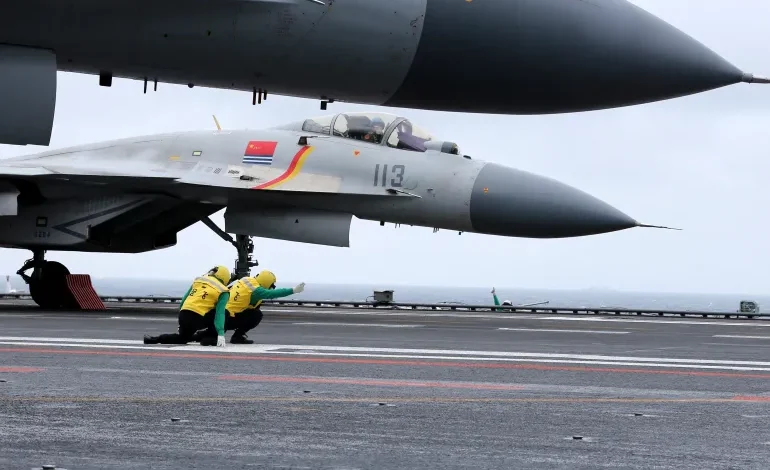
Koizumi said the Chinese J15 jets took off from the Liaoning aircraft carrier, sailing south of Okinawa along with three missile destroyers. He called the incident extremely regrettable. There were no injuries or damage.
Reuters, citing intelligence sources, reported that China deployed over 100 naval and coastguard ships across East Asian waters last week. Taiwan described the build up as a threat to regional security.
Taiwan’s coastguard said Sunday it was monitoring Chinese maritime drills west of the median line in the Taiwan Strait, calling the situation normal for now, though it accused Beijing of psychological warfare and misleading language. Chinese state media framed the activity as search and rescue drills in central strait waters.
China insists it has full sovereignty over the Taiwan Strait. The US and Taiwan maintain it is an international waterway used by half of global container shipping.


The latest news in your social feeds
Subscribe to our social media platforms to stay tuned