




With input from Reuters and Bloomberg.
Mars just cleared its final big hurdle in Europe to seal one of the largest snack deals in years.
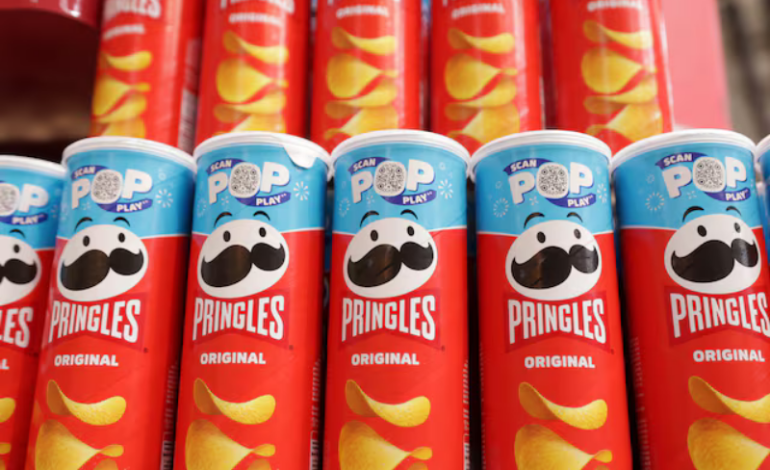
The European Commission on Monday approved Mars’ $36 billion acquisition of Kellanova, the company behind Pringles, Pop-Tarts and Kellogg’s cereals, after a full-scale investigation into whether the takeover would mean higher prices for shoppers.
The deal will put a massive roster of food brands under one roof, from M&M’s, Snickers and Whiskas to Pringles and Pop-Tarts.
EU regulators had worried that a combined Mars–Kellanova could use its expanded lineup to squeeze supermarkets for better terms. But after months of digging into the numbers, they decided that wouldn’t translate into a real problem for consumers.
“We looked very carefully at this deal to make sure that Mars would not gain extra power over retailers,” said EU antitrust chief Teresa Ribera. “Our review found no evidence that this risk exists.”
The Commission concluded that while both companies are already powerful players in parts of Europe, shoppers aren’t so loyal to specific brands like M&M’s or Pop-Tarts that they’d switch supermarkets just to find them. That means Mars isn’t likely to gain enough extra clout to push prices up across the board.
With EU approval in hand — the last major regulatory sign-off needed — Mars now expects to close the deal on December 11. The takeover had already been cleared in the United States without conditions.
For Mars, the Kellanova buy is a big step in reshaping its business for the long term.
The combined group will now have nine brands each generating more than $1 billion in sales, up from six today, said Andrew Clarke, global president of Mars Snacking.
He said the deal means “more choice for consumers,” and hinted Mars sees a clear path to push even more brands over that $1 billion mark.
At the same time, Clarke acknowledged that Mars — like everyone else — has felt the impact of inflation. Rather than simply hiking prices, he said the company is focusing on innovation and offering different product sizes to help manage costs for shoppers.
On potential job cuts, Clarke said there “will be some areas of overlap we will look at,” but stressed Mars is focused on growing the business and investing in the brands over the long run.
The takeover is one of the biggest packaged-food deals in nearly a decade, and it continues Mars’ push to diversify beyond chocolate — especially as cocoa prices hit historic highs.
In recent years, Mars has snapped up brands like Hotel Chocolat, Tru Fru and Kind’s North America snack bar business, and made a major move into pet care back in 2017 by buying vet chain VCA for about $9 billion.
Buying Kellanova gives Mars:
- A stronger position in salty snacks and breakfast foods;
- A deeper AI and data opportunity in understanding consumer behavior through its expanded portfolio;
- More balance away from its chocolate-heavy lineup.
Kellanova, for its part, has been performing relatively well since it spun off its North American cereal arm into a separate company, WK Kellogg Co, and has delivered a run of solid earnings.
Retailers had pressed Brussels to take a hard look at the tie-up, worried Mars could become too powerful at the negotiating table. The in-depth probe launched in June was a response to those concerns.
In the end, though, the Commission decided that while Mars will be bigger, it won’t be too big — at least not in a way that breaks EU competition rules or clearly harms shoppers.
Now the real work starts: stitching together a snack and cereal empire that stretches from cat food and candy bars to crisps and toaster pastries — all under the Mars banner.


The latest news in your social feeds
Subscribe to our social media platforms to stay tuned