




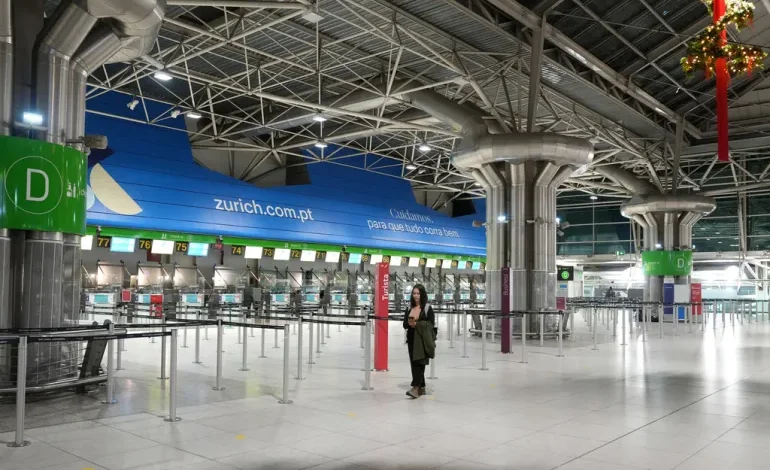

Portugal is preparing for nationwide disruption on Thursday as workers stage the country’s first general strike in more than a decade, pushing back against planned labour reforms by the centre-right minority government that unions say will weaken job security.
Public transport, schools, courts and hospitals are all expected to be hit as unions mobilise against a draft law that would make it easier for employers to fire staff, lengthen fixed-term contracts and broaden the minimum services required during strikes. If participation matches expectations, it will be the biggest walkout since June 2013, at the height of Portugal’s debt crisis and EU-backed austerity drive.
Prime Minister Luis Montenegro has framed the reforms as pro-growth, insisting the package of more than 100 measures is designed to “stimulate economic growth and pay better salaries”. But both major union federations, from the communist-leaning CGTP to the more moderate UGT, have rejected that argument.
The CGTP is organising around 20 demonstrations nationwide. Its secretary-general, Tiago Oliveira, called the proposals “among the biggest attacks on the world of work”, warning they would “normalise job insecurity”, “deregulate working hours” and “make dismissals easier”.
Oliveira said the changes would hit a workforce already under strain, noting that out of roughly five million workers, about 1.3 million are in insecure jobs.
Private-sector unions are also joining the strike, widening its economic impact. TAP Air Portugal expects only about a third of its usual 250 daily flights to operate, while the national railway has warned that disruptions could spill into Friday.
Despite the government’s attempts to downplay the strike, union leaders say the mobilisation has already achieved one key goal: public attention. With a presidential election due in early 2026, Oliveira said the action was “already a success”.
Public opinion appears to be on the unions’ side. A survey published in the Portuguese press found 61 percent of respondents supported the walkout, a sign that concerns about job security resonate beyond organised labour.
On the eve of the strike, Montenegro urged restraint, saying he hoped “that the country will function as normally as possible … because the rights of some must not infringe on the rights of others”.
Even without a parliamentary majority, his government is expected to push the bill through with backing from liberals and the far right, now the second-largest force in parliament. The left-wing opposition has accused the prime minister of failing to disclose plans to roll back workers’ rights during the last election campaign.
Portugal’s economy is currently growing at around 2 percent, with unemployment near a historic low of 6 percent.


The latest news in your social feeds
Subscribe to our social media platforms to stay tuned