



With input from Reuters, CNBC, and Bloomberg.
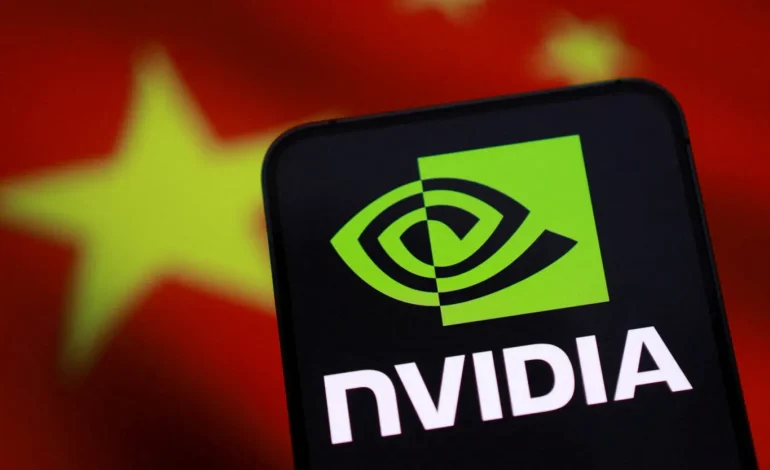
Nvidia may ramp up production of its H200 AI chips after Chinese demand blew past what the company can currently supply, according to sources who spoke with Reuters.
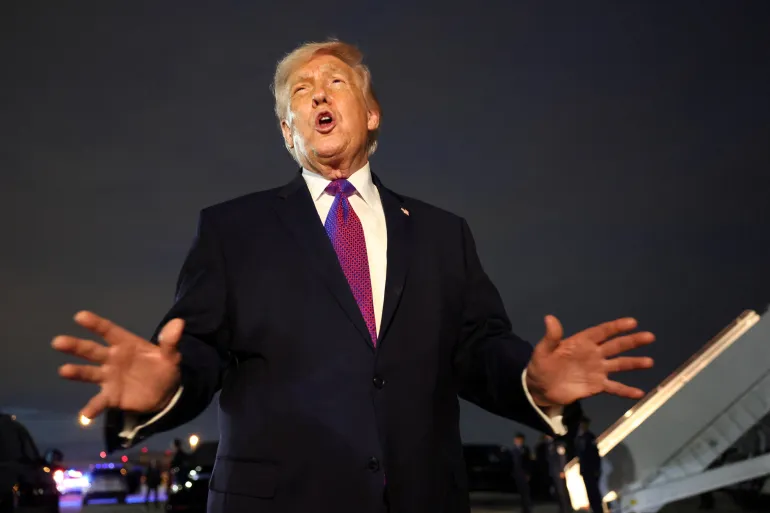
The surge in interest comes just days after President Donald Trump announced the US would allow Nvidia to export the H200 — its second-fastest AI processor — to China, but only if the company pays a 25% fee on each sale.
The moment the news broke, Chinese tech giants including Alibaba and ByteDance started calling Nvidia, eager to place massive orders. One source said demand has been so intense that Nvidia is now leaning toward adding new production capacity.
But nothing’s guaranteed yet. China’s government hasn’t approved any H200 purchases, and officials reportedly held emergency meetings this week to decide whether they’ll allow the chip into the country at all.
Right now, the H200 is the most powerful AI chip Chinese companies can legally get their hands on. It’s:
- 6x more powerful than Nvidia’s downgraded H20 chip, which was created specifically to comply with earlier export rules.
- Built on TSMC’s 4nm process, giving it serious muscle for training large AI models.
- Part of Nvidia’s “Hopper” generation — not its newest tech, but still extremely valuable.
Domestic Chinese chipmakers remain far behind. One analyst told Reuters that the best local accelerators perform at only one-half to one-third the level of the H200.
That performance gap is fueling heavy lobbying from Chinese cloud providers and enterprise customers, who are pushing Beijing to loosen restrictions so they can keep up in the AI race.
During those emergency meetings, officials floated a potential compromise:
Require buyers to pair every H200 purchase with a certain ratio of domestically made chips.
The idea would let Chinese firms access world-class AI hardware while still supporting local chipmakers.
Even if Nvidia wants to crank out more H200 units, scaling up won’t be easy. The company is already juggling production of its top-end Blackwell chips (its main moneymakers right now), and next-generation Rubin chips, coming next year.
All of this relies on a limited supply of cutting-edge manufacturing capacity at TSMC — capacity that Nvidia is competing for against giants like Google.
Allowing H200 sales to China marks a shift in US policy. The Biden and Trump administrations previously tightened rules to keep China away from America’s best AI hardware. But the Trump team argues the US is now far enough ahead — with Blackwell on the market and Rubin coming soon — that exporting older-generation chips poses less of a risk.
Still, China is wary of relying on US tech after years of shifting export controls. And the US is very aware of the stakes: the DOJ recently announced arrests related to a smuggling ring moving Nvidia chips into China — including H200 units.
For Nvidia, the message is clear: China still wants its chips — badly. Now the company just has to figure out how to build enough of them, and whether China will be allowed to buy them at all.



The latest news in your social feeds
Subscribe to our social media platforms to stay tuned