


France is pressing the European Union to hit pause on a long-awaited trade deal with the South American Mercosur bloc, arguing that the political and regulatory groundwork for an agreement is still not in place.
In a statement released on Sunday, Prime Minister Sebastien Lecornu’s office said EU member states should not proceed with a vote on the deal in its current form.
“France asks that the deadlines be pushed back to continue work on getting the legitimate measures of protection for our European agriculture,” the statement said.
The intervention comes just days before European Commission President Ursula von der Leyen is due to travel to Brazil to finalise the agreement, which the EU has been negotiating with Mercosur, Argentina, Brazil, Paraguay and Uruguay, for more than two decades.
But before any signature, the European Commission must secure approval from EU member states, and Paris has made clear it is not ready to sign off.
“Given a Mercosur summit is announced for December 20, it is clear in this context that the conditions have not been met for any vote [by states] on authorising the signing of the agreement,” the French government said.
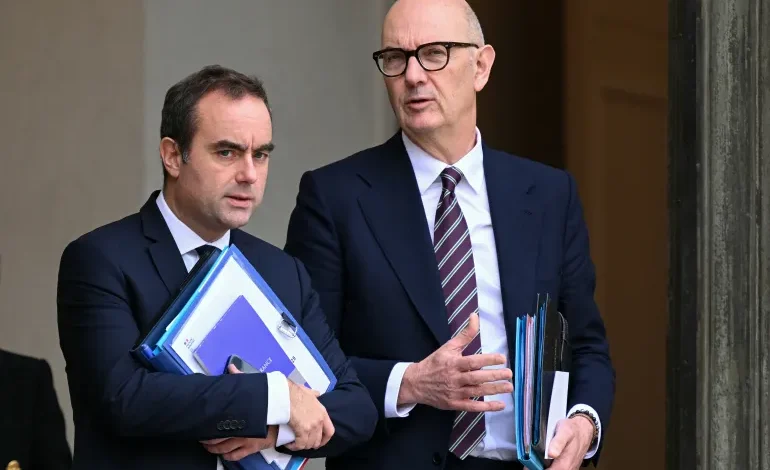
French Economy and Finance Minister Roland Lescure sharpened that message earlier on Sunday in an interview with Germany’s Handelsblatt newspaper, saying the treaty as it stands “is simply not acceptable”.
Lescure said France has set three non-negotiable conditions: strong and enforceable safeguard clauses, equal production standards for EU and Mercosur farmers, and credible import controls.
“Until we have obtained assurances on these three points, France will not accept the agreement,” he said.
The pushback reflects deep anxiety among farmers in France and other European countries, who warn the deal would expose them to unfair competition from imports produced under looser environmental and labour rules. Many argue that the agreement could further destabilise already fragile agricultural sectors across Europe.
EU member states are expected to vote on the pact sometime between Tuesday and Friday, according to EU sources. The European Parliament is also set to vote on Tuesday on proposed safeguard measures aimed at easing farmers’ concerns, particularly in France, where opposition to the treaty has been especially vocal.
The stakes are high. The EU is Mercosur’s second-largest trading partner, with goods exports totalling 57 billion euros ($67bn) in 2024, according to the European Commission. It is also the bloc’s largest foreign investor, with investment stocks reaching 390 billion euros ($458bn) in 2023.
If eventually approved, the EU-Mercosur agreement would create a combined market of roughly 722 million people, but France’s stance makes clear that political consensus in Europe remains far from guaranteed.

The latest news in your social feeds
Subscribe to our social media platforms to stay tuned