


With input from Gillette News Record and News Letter Journal.
Wyoming’s Department of Family Services is back at the Capitol with its hand out — not for expansion or pet projects, but to keep basic services afloat after federal funding cuts shifted more responsibility to the state.
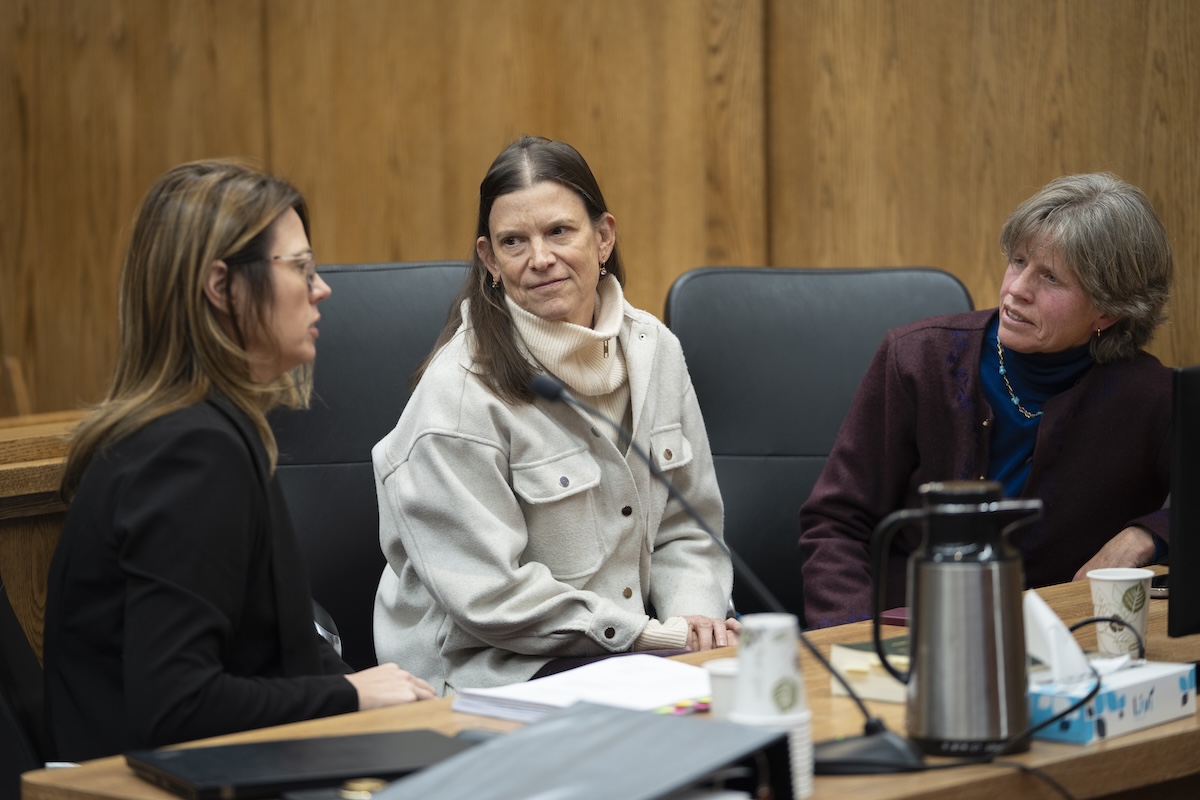
DFS is asking lawmakers for an additional $11.5 million on top of its $346.2 million budget request for the 2027–28 biennium. The request came Friday during a meeting with the Legislature’s Joint Appropriations Committee (JAC) and is tied directly to changes under the One Big Beautiful Bill Act, which reduced federal support and left states to pick up more of the tab.
“In Wyoming, families come first,” Gov. Mark Gordon said in a statement after the meeting, backing the agency’s request — even though the $11.5 million wasn’t included in his original proposed budget.
The biggest pressure point is SNAP, the Supplemental Nutrition Assistance Program.
DFS Director Korin Schmidt told lawmakers her top priority is nearly $6 million in state general funds just to keep the program running as required. Under the new federal law, Washington’s share of SNAP administrative costs drops from 50% to 25%, starting Oct. 1, 2026. That means Wyoming’s share jumps from 50% to 75% overnight.
Fail to cover it, and the state risks losing the ability to administer SNAP at all.
DFS also warned lawmakers that Wyoming’s strong track record matters here. The state currently ranks fifth-lowest in the nation for SNAP payment errors at 5.12%. If that error rate creeps above 6%, Wyoming could be forced to cover 5% to 15% of federal food benefit costs, adding an estimated $3.1 million a year in new state expenses — just for food benefits.
“We have been put in a really difficult position to manage this work in a way that we’ve traditionally managed it because of the significant changes,” Schmidt told the committee, pointing to service interruptions and a lack of federal guidance.
Another hit from the federal changes: SNAP Education funding is gone.
That’s why DFS is asking for $3.5 million in state funds to keep SNAP-Ed alive. The program funds the University of Wyoming’s Cent$ible Nutrition Program, which teaches budgeting and healthy eating across the state.
Some lawmakers weren’t sold.
Rep. John Bear, R-Gillette, questioned whether the education program is worth its cost compared to the food benefits themselves. Schmidt pushed back, saying the classes deliver long-term value.
“The food benefit that we purchase feeds a child,” she said. “The education, though, can be generational.”
She added that if lawmakers are serious about improving nutrition and limiting unhealthy food choices, people need the tools to build better habits.
DFS also floated a new program Wyoming hasn’t tried before: SUN Bucks, which provides grocery benefits during the summer to kids who qualify for free or reduced-price school lunches.
The program would serve about 32,000 Wyoming children and works differently than existing summer meal sites. Instead of traveling to a central location, families would get benefits on an EBT card to use at grocery stores.
For the 2027–28 biennium, DFS is asking for $3.5 million total — split evenly between state and federal funds. Food costs would be 100% federally funded, while administrative costs would be shared.
Not everyone was convinced.
Sen. Dan Laursen, R-Powell, said summer food sites are already working well in his community and worried about overlap.
“I know in my community, they’re working well the way it is,” Laursen said. “It’ll be tough for me to vote for this.”
Beyond food programs, DFS asked lawmakers to boost funding for some of Wyoming’s most vulnerable residents.
That includes $975,280 for the Independent Living Program, which supports youth aging out of foster care. Schmidt said those young people face much higher risks of homelessness and unemployment.
When Sen. Tim Salazar, R-Riverton, asked what happens if the funding is cut, Schmidt framed it as a moral issue.
“If we are going to remove children from their homes … I believe we have an obligation to those older youth, just as we do to our own children,” she said.
The funding would serve about 323 youth ages 14 to 20 who are currently eligible but not covered due to limited federal dollars.
DFS also requested $1.6 million for Adult Protective Services, including emergency housing, safety net services and guardianship support. Schmidt said the current state allocation — $80,000 per biennium — no longer comes close to covering emergencies as Wyoming’s population ages.
Schmidt told lawmakers Wyoming will also stop intercepting certain federal benefits — like survivor benefits for children in foster care — after federal officials ordered states to end the practice. DFS estimates losing about $200,000 per year, which Schmidt said the agency can absorb.
Lawmakers also questioned how DFS handles reports from schools and where the line falls between “bad parenting” and legal neglect.
“We do not want to intervene in such a way that we bring in the heavy hand of government,” Schmidt said, noting that most school reports don’t turn into cases.
Gov. Gordon doubled down on his support, saying families are struggling even while working multiple jobs.
“When working mothers and fathers are unable to meet the family’s wholesome nutritional needs … we have to acknowledge the problem,” he said, urging lawmakers to support programs that help families stretch food budgets and stabilize finances.
Friday’s meeting wrapped up two straight weeks of budget hearings ahead of the 2026 legislative session, which begins Feb. 9. The final two weeks of JAC meetings resume Jan. 5, when DFS’s $11.5 million ask — and whether lawmakers are willing to cover federal shortfalls — will stay firmly on the table.


The latest news in your social feeds
Subscribe to our social media platforms to stay tuned