



Canada unveils tougher methane rules for oil and gas sector

Canada has announced long-awaited regulations aimed at sharply cutting methane emissions from its oil and gas industry, targeting one of the most potent drivers of short-term global warming.
The rules, unveiled on Tuesday, set out a plan to reduce methane emissions from the sector by 75 percent below 2014 levels by 2035. Canada is the world’s fourth-largest oil producer, making the measures a significant test of how far major fossil fuel exporters are willing to go on climate policy.
The regulations fulfil a pledge by Prime Minister Mark Carney to strengthen Canada’s existing methane framework, though they give industry more time than earlier proposals. Draft rules under former prime minister Justin Trudeau had aimed for the same 75 percent reduction by 2030 and were heavily criticised by oil and gas companies as unrealistic.
Methane, the main component of natural gas, stays in the atmosphere for a shorter time than carbon dioxide but is far more powerful in the near term, trapping up to 80 times more heat than CO2 over a 20-year period.
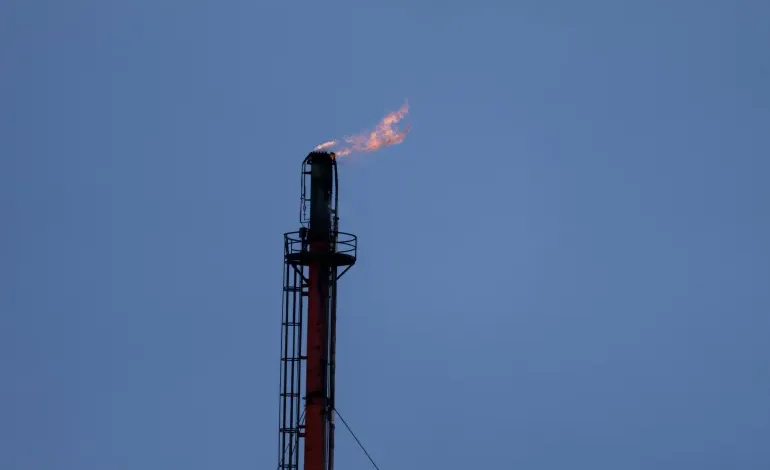
Oil and gas operations account for roughly half of Canada’s total methane emissions, according to government data. The gas is released intentionally through venting and flaring during production and also escapes through leaks in wells, pipelines and other infrastructure.
The new rules, set to take effect in 2028, largely prohibit routine venting, with limited exceptions. They also introduce mandatory inspection schedules requiring companies to regularly search for leaks and fix faulty equipment. Operators will be allowed some flexibility, including designing their own methane-control strategies, as long as they meet strict methane intensity limits.
The announcement comes amid a mixed climate record. Overall greenhouse gas emissions from Canada’s oil and gas sector continue to rise as production expands, and the country is currently not on track to meet its broader goal of cutting total emissions 40 to 45 percent below 2005 levels by 2030.
Carney has faced criticism from environmental groups who argue he has prioritised economic growth and energy investment, especially after rolling back some emissions policies in recent months. Methane, however, is an area where Canada has already made measurable progress.
Existing regulations requiring leak detection and repairs have put the country on track to meet its earlier target of a 40–45 percent methane reduction below 2012 levels by the end of 2025.
The federal government says the new rules will deliver a further cut equivalent to 304 million tonnes of carbon dioxide between 2025 and 2035, while reducing oil and gas production by just 0.2 percent over that period.


The latest news in your social feeds
Subscribe to our social media platforms to stay tuned