


With input from Oil City News and Buffalo Bulletin.
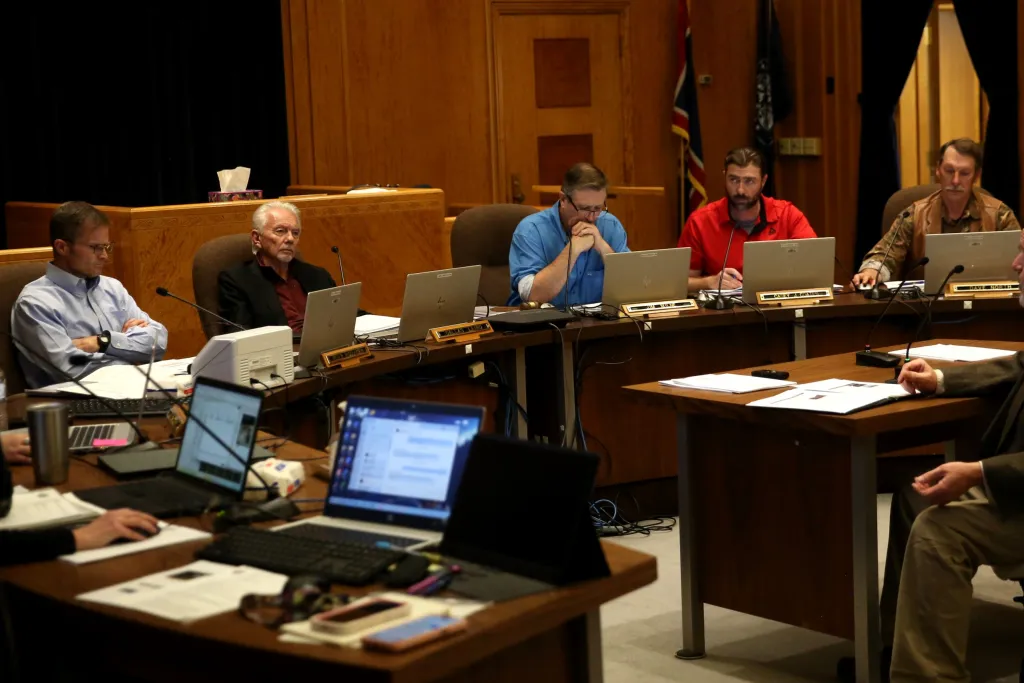
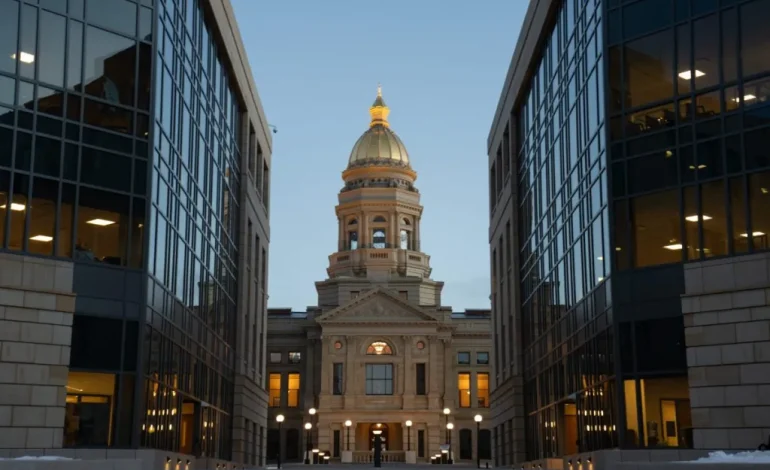
After two weeks of spreadsheets, speeches, and the occasional philosophical throwdown, the Wyoming Legislature’s Joint Appropriations Committee (JAC) wrapped its first round of budget hearings Friday in Cheyenne. Now lawmakers are taking a breather until Jan. 5, when the committee comes back to finish the remaining agency presentations.
This is all the warm-up for the main event: the 2026 legislative session, when lawmakers have to pass the state’s next two-year budget — the one job the Wyoming Constitution basically says they must do in even-numbered years.
Gov. Mark Gordon kicked off the process in November with an $11.1 billion draft budget. But in Wyoming, the governor proposes and the Legislature disposes: agencies come in with their standard budgets (keep services at current levels) and then pitch “exception requests” if they want more for new programs, gear, or special projects.
About 40 agencies made their case over the last two weeks. Here are five big takeaways from what lawmakers heard — and what they didn’t.
The Wyoming Freedom Caucus, the Republican bloc that took control of the House in 2024, has been telegraphing a budget-trimming mission for months, often pointing to “pre-pandemic spending levels” as the rough target.
But in these hearings, that idea got more specific — and more ideological.
In separate exchanges with the Wyoming Department of Health and the Wyoming Business Council, Freedom Caucus lawmakers pushed back on certain funding requests as things government simply shouldn’t be doing.
Rep. Ken Pendergraft, R-Sheridan, said it bluntly during a discussion about a health department proposal aimed at helping residents avoid financial devastation from catastrophic illness or injury:
“I just don’t see how this is the proper role of government.”
He asked a version of the same question to Business Council CEO Josh Dorrell, pressing him on whether it’s really government’s job to help communities build infrastructure like water and sewer expansions to support business parks.
Dorrell’s argument: if Wyoming doesn’t invest, it doesn’t grow — and the state’s minimal infrastructure spending isn’t enough to move the needle on jobs and prosperity.
That tension — smaller government vs. strategic investment — is shaping the whole budget debate before a single line item is even voted on.
Even though the committee didn’t take formal action on the budget bill during these hearings, lawmakers did take a clear step on wildfire response: the JAC voted to sponsor three bills aimed at strengthening Wyoming’s firefighting capacity.
Those proposals would:
- Create a 12-person wildland fire suppression team;
- Let wildland firefighters participate in Wyoming’s retirement system;
- Authorize hazard pay and paid time off for firefighters.
Gov. Gordon has been pushing hard on this point, urging lawmakers to back what he described as coherent recommendations to improve Wyoming’s ability to hit fires early — when they’re still small enough to knock down.
Whether the Legislature goes along in February is the real question, but the committee’s sponsorship votes show wildfire policy is moving from “seasonal emergency” into “permanent state priority.”
One theme popped up again and again: Washington is shifting costs to the states, and Wyoming agencies are already writing the bill.
The clearest example: the Wyoming Department of Family Services (DFS) and the Supplemental Nutrition Assistance Program (SNAP).
DFS told lawmakers it needs state money to cover reductions in federal support starting next October under the Trump administration’s One Big Beautiful Bill Act. About 28,000 Wyoming residents — mostly kids — rely on SNAP for groceries.
DFS is also asking the Legislature to keep funding a SNAP nutrition-education program that would otherwise be eliminated. Director Korin Schmidt described it as a practical, ground-level effort to help low-income families stretch food dollars and build healthier habits.
Gov. Gordon has urged lawmakers to spend $5.5 million to soften the SNAP blow.
And then there’s Wyoming PBS, which is staring down a $3 million shortfall after Congress rescinded $9 billion in previously allocated funds in July, wiping out federal support for NPR/PBS and their member stations.
Wyoming PBS CEO Joanna Kail didn’t just ask for help — she also defended Wyoming’s congressional delegation for voting to cut the funding, arguing public broadcasting lost trust by dismissing concerns about bias. Now, she’s asking state lawmakers to backfill the hole anyway.
Bottom line: Wyoming’s budget isn’t just about Wyoming anymore. It’s also about what the federal government stops paying for.
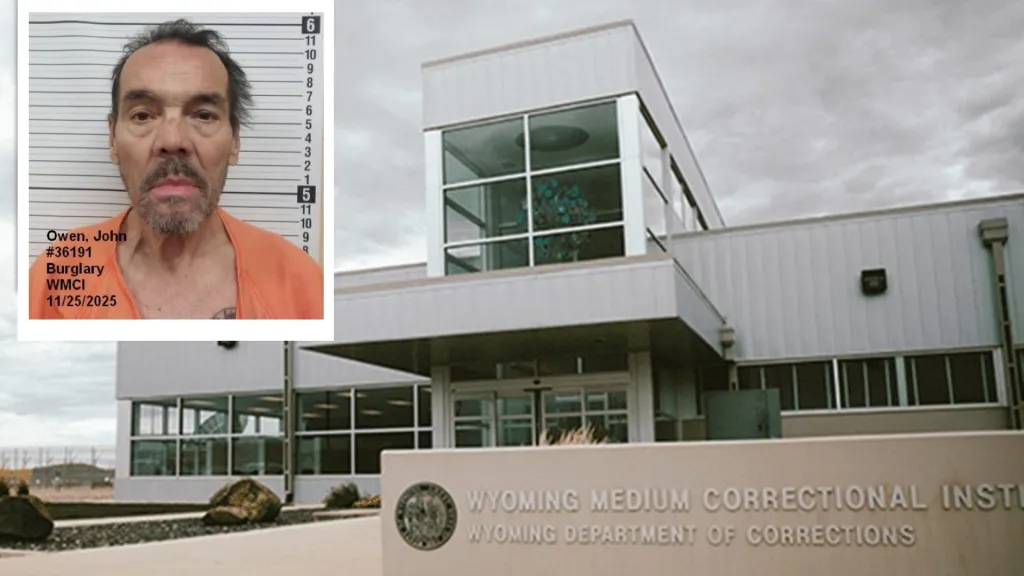
The Department of Corrections came with a very direct request: $9.3 million one-time to cover costs tied to sending inmates out of state.
Back in 2023, staffing shortages pushed Wyoming to send 240 inmates to a private prison in Mississippi. As of now, 128 are still there, according to Director Dan Shannon. The money would help cover out-of-facility housing and transportation to bring inmates back once staffing stabilizes.
But what didn’t come up in the hearing? A serious, ongoing lawsuit involving the Wyoming Women’s Center in Lusk, where in the last five years three former prison guards have been convicted of sexually assaulting inmates.
A woman filed a federal lawsuit in August alleging “deliberate indifference” by staff and leadership. Recent filings also point to a 2023 federal audit flagging issues like camera blind spots and incomplete investigations of abuse allegations. The Wyoming Attorney General’s office is trying to dismiss the case.
Lawmakers had the corrections director in the room — and didn’t touch it.
Sometimes that silence is its own kind of statement.
In the middle of all the budget talk, several Freedom Caucus members showed up on Wednesdays wearing red blazers — a coordinated look that, in a statehouse, always becomes a message whether people admit it or not.
House Appropriations Chair John Bear, R-Gillette, said the point wasn’t revolutionary cosplay. It was fiscal warning: red as in “in the red,” signaling concern about Wyoming’s long-term financial forecast.
Sen. Mike Gierau, D-Jackson, was happy to accept the clarification — while still landing a joke. He told Bear he thought they were promoting Ken Burns’ new PBS series on the American Revolution, adding that the night before, the show featured “a big can of whoop ass” being opened on redcoats at Yorktown.
To make it even more confusing, Rep. Trey Sherwood, D-Laramie, wore red too — but apparently as a nod to Mean Girls (“on Wednesdays we wear pink,” except Wyoming version).
Budget hearings: deadly serious, occasionally absurd, always Wyoming.
The JAC returns Jan. 5 for two more weeks. Week one is the remaining agency presentations. Week two is where lawmakers start making real decisions on what the committee’s budget bill will look like.
Financial forecasters will also bring updated numbers — which means the mood in the room could shift fast.
Because in Wyoming budgeting, the math always gets the last word.
The latest news in your social feeds
Subscribe to our social media platforms to stay tuned