





Korea Zinc, the world’s largest zinc smelter, has unveiled a $7.4bn project in the United States, heavily backed by Washington as it accelerates efforts to reduce dependence on China for critical minerals.
Under the plan announced on Monday, Korea Zinc will issue $1.9bn worth of new shares to a joint venture controlled by the US government alongside undisclosed US-based strategic investors. The deal would give the group around a 10 percent stake in the South Korean firm.
The US Department of Defense will hold a 40 percent stake in the joint venture, while Korea Zinc’s share will be less than 10 percent, according to the company. The remaining funding for the project, $5.5bn, will come from $4.7bn in loans from the US government and financial institutions, plus $210m in subsidies from the Department of Commerce under the CHIPS and Science Act.
Investors reacted swiftly. Korea Zinc’s shares jumped as much as 26 percent in early trading in Seoul before trimming gains to close 4.9 percent higher.
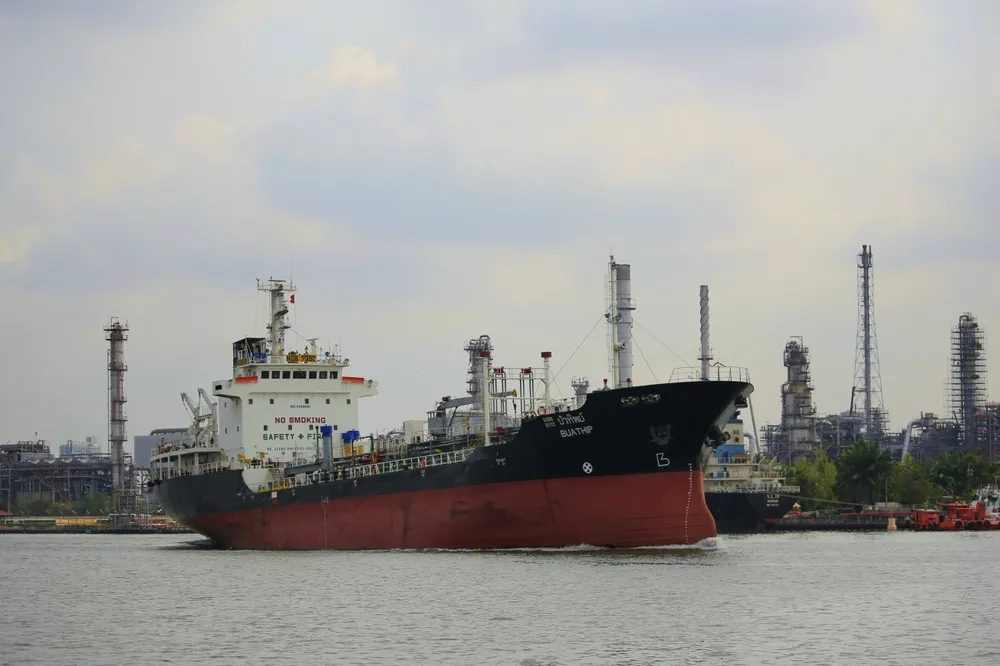
As a first step, Korea Zinc will acquire two mining complexes and the only zinc smelter currently operating in the US, a facility in Clarksville, Tennessee that has been running since 1978, from Trafigura-owned Nyrstar. The company plans to build a fully integrated zinc production facility at the site.
Nyrstar said the sale of its US assets to Korea Zinc is expected to close in the first half of 2026.
Not everyone is cheering the move. Major Korea Zinc shareholders, who have been pushing to remove the company’s chairman, criticised the US investment, arguing it is designed to entrench the current management rather than serve shareholders’ interests.
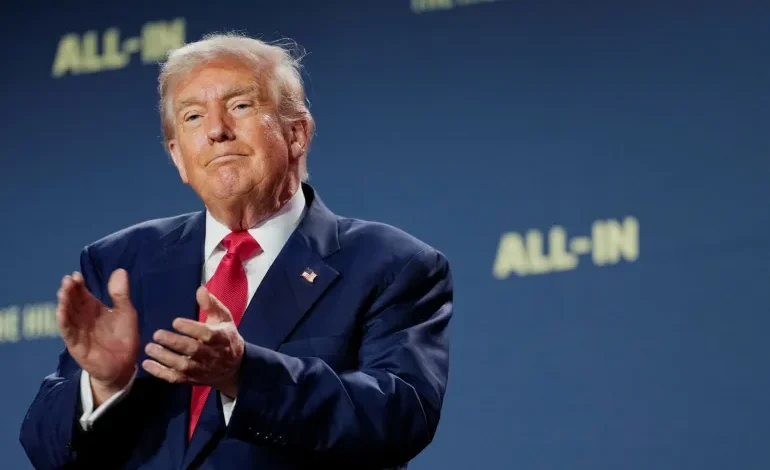
The project would result in the first new zinc smelter built in the United States since the 1970s, aligning closely with the priorities of President Donald Trump’s administration as it seeks to secure supply chains for minerals deemed essential to economic and military security.
Korea Zinc has already positioned itself within this strategy. Earlier this year, it agreed to process polymetallic nodules for deep-sea mining firm The Metals Company, which has asked Trump to issue it an international seabed mining permit.
Washington has also widened its definition of “critical minerals”, adding copper, metallurgical coal, uranium, phosphate, potash, rhenium, silicon and silver to the list. Reuters reported earlier this month that the US military plans to develop a network of small-scale refineries to supply minerals used in bullets, armour and other weapons systems.



The latest news in your social feeds
Subscribe to our social media platforms to stay tuned