


Venezuela calls EU sanctions renewal “futile” as measures extended to 2027
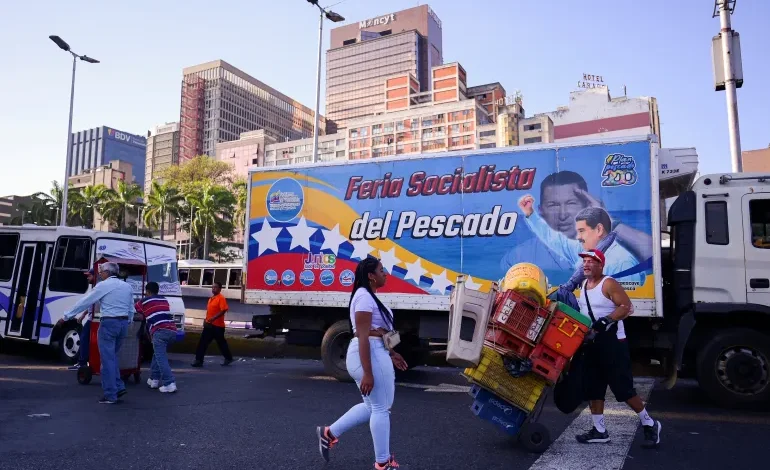

Venezuela’s government has sharply criticised the European Council after it voted to extend sanctions on the country until 2027, dismissing the measures as ineffective, unlawful and politically subordinate to Washington.
The sanctions, first imposed in 2017, include an arms embargo, travel bans and asset freezes targeting individuals accused of involvement in state repression. On Monday, the European Council confirmed the restrictions would remain in force until January 10, 2027, citing what it called “persistent actions undermining democracy and the rule of law” under President Nicolas Maduro, as well as ongoing human rights violations.
In a statement shared by Foreign Minister Yvan Gil Pinto, Caracas rejected the decision outright, calling the sanctions coercive and contrary to international law. The government argued that the move highlights the European Union’s lack of independence in global affairs.
The renewed measures cover an embargo on weapons and military equipment, a ban on exporting items that could be used for internal repression, including light arms, ammunition and surveillance technology, and travel bans and asset freezes on officials, military figures and judges linked to alleged human rights abuses.
According to the EU, 69 people were subject to these restrictions as of January this year. The European Council said the sanctions would stay in place until the Venezuelan government shows “tangible progress on human rights”, the rule of law, and moves towards dialogue and a “democratic transition”.
Caracas, however, described the sanctions as “futile”, accusing Brussels of pursuing “an erratic foreign policy lacking autonomy” and denouncing “the European Union’s growing irrelevance as an international actor”.
The decision comes against the backdrop of escalating pressure from the United States. The administration of President Donald Trump has increased its military presence near Venezuela, openly threatening land operations, while also announcing new financial sanctions last week on three of Maduro’s nephews and six oil tankers and shipping companies linked to them.
Analysts note that, unlike US sanctions, the EU’s measures are more narrowly political and do not directly target Venezuela’s oil sector, which remains the backbone of the country’s economy.

The latest news in your social feeds
Subscribe to our social media platforms to stay tuned