


Bulgaria has officially adopted the euro, becoming the 21st country to use the single currency nearly two decades after joining the European Union, a milestone marked by celebration, political symbolism and lingering public unease.
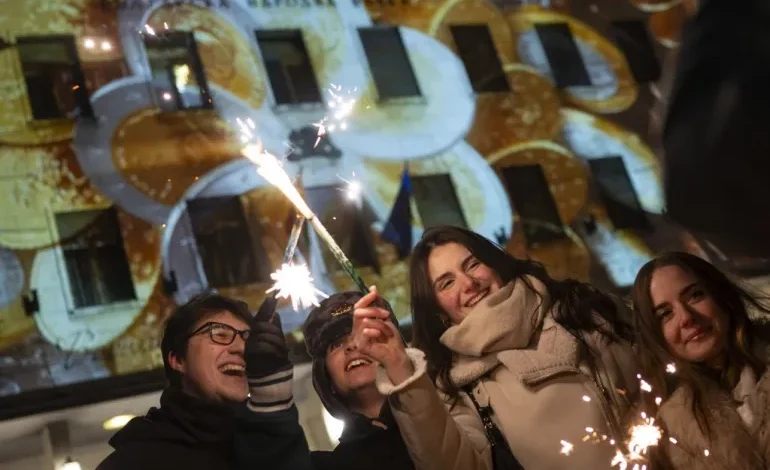
At midnight on Wednesday (22:00 GMT), the Balkan state formally retired the lev, its national currency since the late 19th century. In Sofia, images of Bulgarian euro coins were projected onto the central bank building as crowds gathered in sub-zero temperatures to ring in both the new year and the new currency.
“I warmly welcome Bulgaria to the euro family,” European Central Bank President Christine Lagarde said as the change took effect.
For some, the transition was reassuringly mundane. “Great! It works!” said Dimitar, 43, speaking to the Associated Press after withdrawing 100 euros from an ATM shortly after midnight.
Successive Bulgarian governments have championed euro adoption, arguing it will stabilise the economy, deepen integration with Western institutions and reduce what officials describe as Russian leverage in the country. Bulgaria, home to about 6.4 million people, remains the EU’s poorest member.
Public opinion, however, remains sharply split. Many Bulgarians fear the switch will accelerate price rises while wages lag behind, a familiar concern in countries that have adopted the euro amid economic insecurity and political volatility.
In a televised address before midnight, President Rumen Radev called the euro the “final step” in Bulgaria’s integration into the EU, but criticised the decision-making process.
“This refusal was one of the dramatic symptoms of the deep divide between the political class and the people, confirmed by mass demonstrations across the country,” Radev said, referring to the absence of a public referendum.
The currency change comes amid renewed political turbulence. In December, anticorruption protests brought down a conservative-led government, pushing Bulgaria toward its eighth election in just five years.
At city markets, price tags now display amounts in both levs and euros, a visual reminder of the transition. Others struck a more stoic tone.
“The whole of Europe has managed with the euro,” said Vlad, a retiree. “We’ll manage too.”


The latest news in your social feeds
Subscribe to our social media platforms to stay tuned