



Syria swaps Assad-era banknotes for new currency as it tries to reset the economy
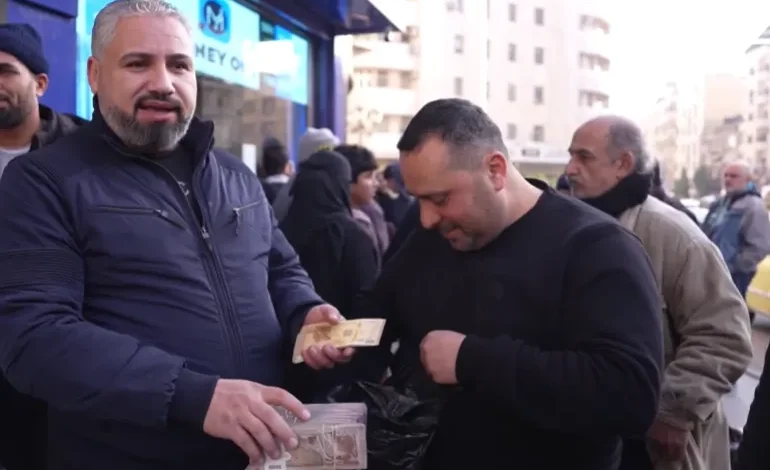

New banknotes have begun circulating across Syria, replacing currency that carried the image of ousted longtime ruler Bashar al-Assad and his family, as the country’s new authorities try to stabilise the Syrian pound after more than a decade of economic collapse.
The redesigned notes, which entered circulation on January 1, are the result of months of preparation and form part of a broader effort to revive the economy, simplify daily transactions and symbolically distance the state from its authoritarian past.
The changes come as Syria faces a battered currency and runaway inflation. By late 2025, an unnamed official told Reuters that the Central Bank of Syria held just $200m in foreign exchange reserves, down from $17bn at the end of 2010, before the war began.
Restoring confidence in the pound is one of the biggest challenges facing Syria’s new leadership, alongside persistent security threats at home and pressure from abroad.
As part of the overhaul, two zeros have been removed from existing banknotes in a process known as redenomination. The move does not change the currency’s underlying value but reduces the sheer volume of cash people must carry.
Unveiling the new notes last week, Syria’s new leader, Ahmed al-Sharaa, said the redesign marked a political and symbolic break.
“The new currencies mark the end of a previous, unlamented phase and the beginning of a new phase that the Syrian people … aspire to,” he said. “The new currency design is an expression of the new national identity and a move away from the veneration of individuals.”
The new bills, ranging from 10 to 500 Syrian pounds, feature images of roses, wheat, olives, oranges and other agricultural symbols associated with Syria, replacing portraits linked to the Assad family.
For many Syrians, the change carries emotional weight as well as practical benefits.
The Syrian economy has been left in ruins after nearly 14 years of civil war. Since fighting began in 2011, the pound, before redenomination, collapsed from about 50 to roughly 11,000 to the US dollar, forcing Syrians to carry huge bundles of cash even for everyday purchases like groceries.
Recent developments have offered some relief. The United States has announced the permanent lifting of the so-called Caesar sanctions, opening the door to renewed foreign investment after years of isolation.
At the same time, Gulf Arab states, including Qatar and Saudi Arabia, have committed billions of dollars in financial support, providing a critical economic lifeline as Syria attempts to rebuild and rebrand itself.

The latest news in your social feeds
Subscribe to our social media platforms to stay tuned