






With input from CNBC, Politico, NBC News, CNN, FOX News.
Core inflation eased more than expected in December, giving markets a small confidence boost — but not enough to change the Federal Reserve’s near-term plans.
The core consumer price index, which strips out volatile food and energy prices, rose 0.2% for the month and 2.6% from a year earlier, according to fresh data from the Bureau of Labor Statistics. Both readings came in 0.1 percentage point below forecasts, a welcome surprise for investors hoping inflation is slowly drifting back toward normal.
Headline inflation, however, told a steadier story. Overall consumer prices climbed 0.3% in December, pushing the annual rate to 2.7% — exactly what economists were expecting. That keeps inflation above the Fed’s 2% target, even if the trend is no longer moving in the wrong direction.
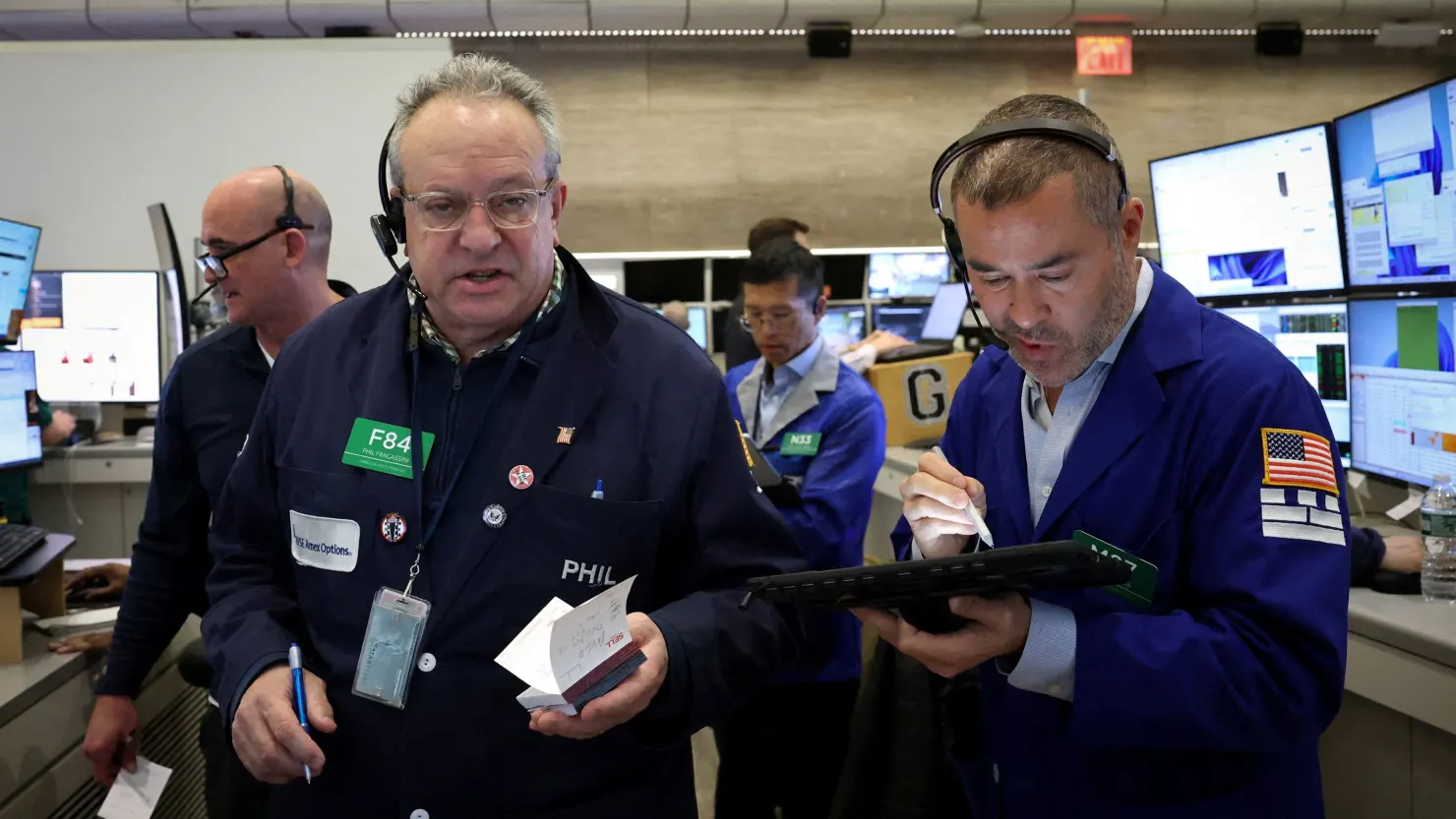
Markets reacted calmly. Stock futures briefly ticked higher, Treasury yields dipped, and traders largely stuck with the view that the Fed will hold rates steady at its meeting later this month, with the earliest realistic chance of a cut now seen around June, according to Fed funds futures.
Food prices were one of the bigger pressure points in the report, jumping 0.7% for the month. Still, there was some relief in the grocery aisle: egg prices plunged 8.2% in December and are down nearly 21% from a year ago, reversing last year’s surge. Energy prices rose 0.3%, while gasoline prices actually slipped on both a monthly and annual basis.
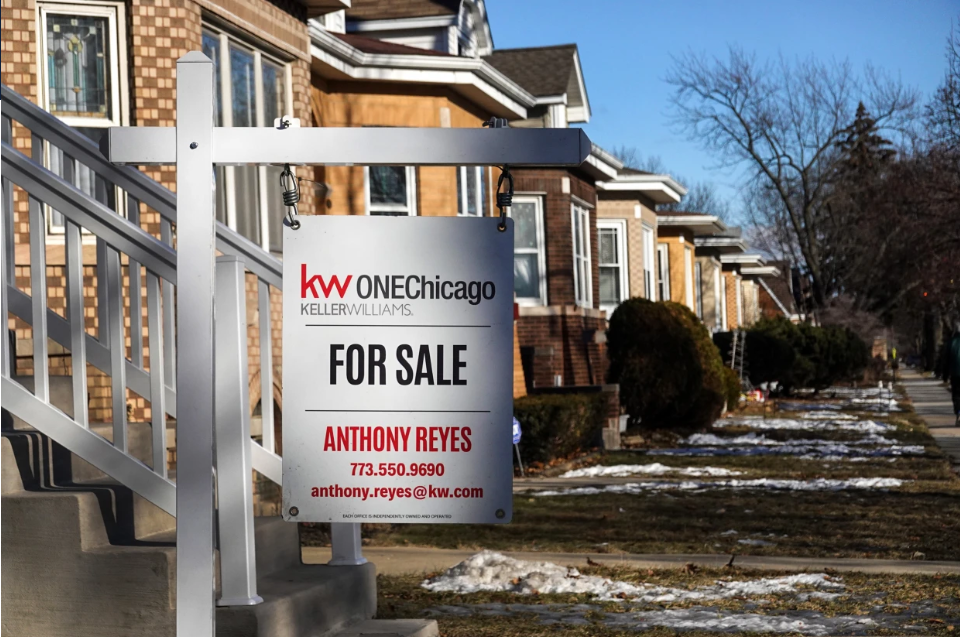
Housing remained the biggest inflation headache. Shelter costs rose 0.4% in December and are up 3.2% year over year, once again accounting for the largest share of the monthly increase. That’s one reason policymakers remain cautious — housing inflation has been slow to cool.
Politically, the report quickly became ammunition. President Donald Trump seized on the softer-than-expected core numbers to renew pressure on Fed Chair Jerome Powell, urging the central bank to cut rates sooner rather than later. The Fed, for its part, appears unmoved for now, weighing stubborn housing costs against a labor market that has shown signs of stabilization.
The takeaway? Inflation is cooling, but not cooling fast enough. December’s data reinforces the idea that price pressures aren’t flaring back up — but it also doesn’t give the Fed a green light to ease policy just yet.


The latest news in your social feeds
Subscribe to our social media platforms to stay tuned