


Iran’s foreign minister says protests turned violent to invite US intervention
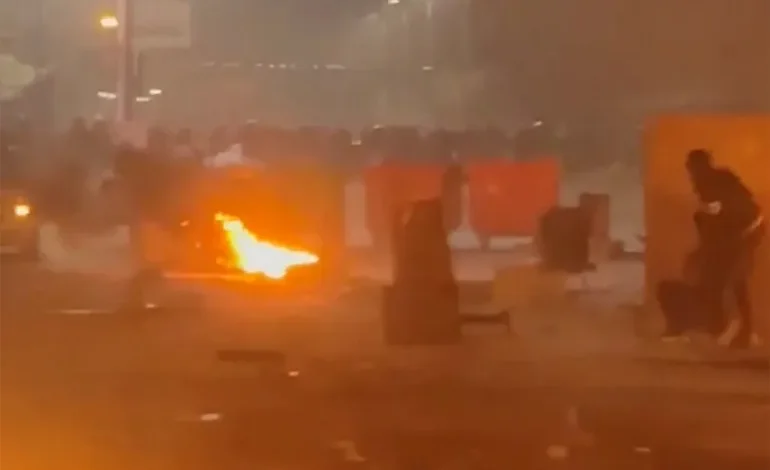

Iran’s Foreign Minister Abbas Araghchi has accused foreign-backed actors of deliberately turning nationwide protests “violent and bloody” in order to give United States President Donald Trump a pretext for military intervention.
Speaking to foreign diplomats in Tehran on Monday, Araghchi said the unrest intensified over the weekend but insisted that “the situation is now under total control”.
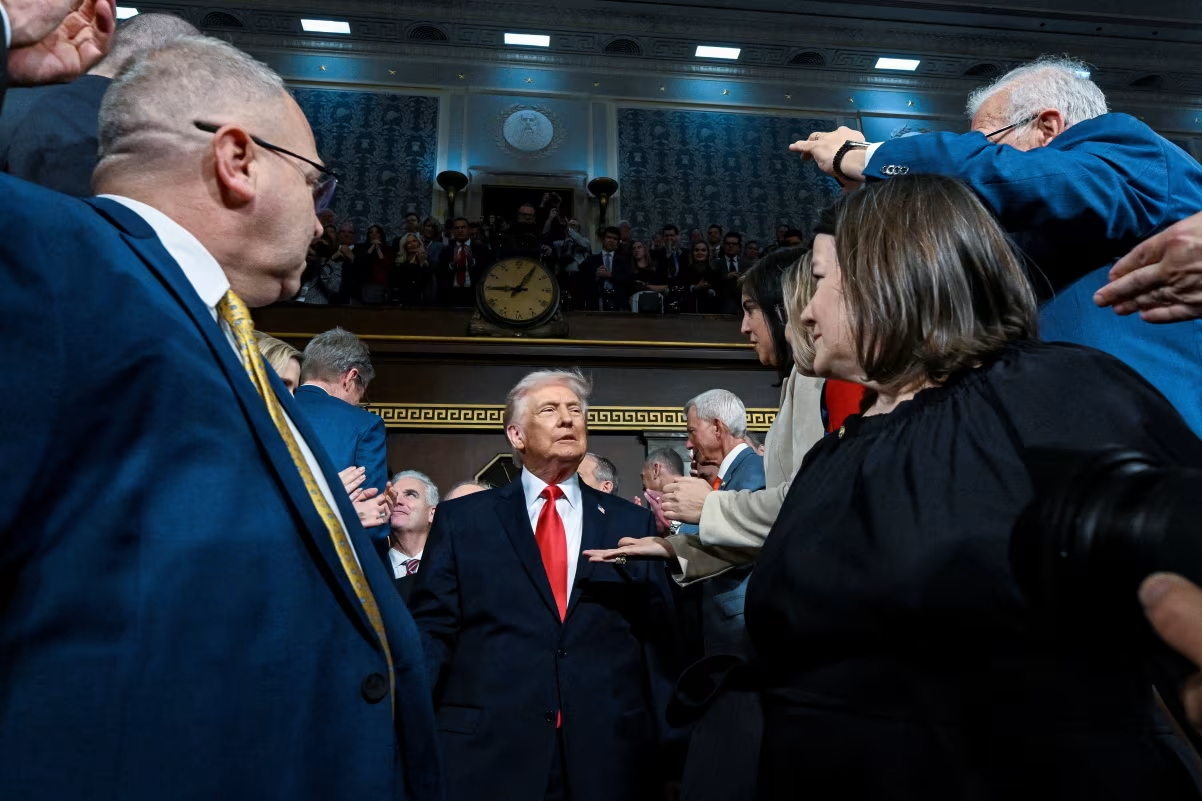
He linked the spike in violence directly to Trump’s warnings that Washington could intervene militarily if protests in Iran became bloody.
“Trump’s warning motivated terrorists to target protesters and security forces to invite foreign intervention,” Araghchi said, adding: “We are ready for war but also for dialogue.”
The foreign minister claimed Iranian authorities possess footage showing weapons being distributed to protesters and said confessions from detainees would soon be released. He added that security services were “closely following” developments on the streets and would “hunt down” those responsible for the violence.
According to Araghchi, the demonstrations were “stoked and fuelled” by foreign elements, a charge Iranian officials have repeatedly levelled as protests have spread across the country.
Iran’s unrest has now entered a third week, unfolding amid a nationwide internet blackout and repeated threats of intervention from Trump. The protests began as anger over rising living costs and a collapsing currency, but have since evolved into a broader challenge to the political system in place since the 1979 Islamic Revolution.
The government has declared three days of national mourning for “martyrs” killed during the unrest, including members of the security forces. The semiofficial Tasnim news agency reported on Sunday that 109 security personnel have been killed.
Authorities have not released figures for civilian deaths. Opposition activists based outside Iran say the toll among protesters is significantly higher and runs into the hundreds. Those numbers cannot be independently verified.
State-linked media reported a quieter night on Sunday, with the Fars news agency saying limited protests were dispersed in parts of Tehran, including the Navvab and Saadat Abad neighbourhoods, as well as in Junqan and Hafshejan in Chaharmahal and Bakhtiari province, and in Taybad near Mashhad.
Fars said most other cities were calm overnight, while Iranian media on Monday morning broadcast footage on Telegram showing pro-government rallies in several locations.
The unrest has coincided with a near-total shutdown of communications. Iran’s nationwide internet blackout entered its fourth day on Monday, drawing sharp criticism from rights groups.
Connectivity monitor NetBlocks described the situation as a “national internet blackout”, saying Iran has gone more than 84 hours without consistent connectivity, although some users have found limited ways to bypass restrictions.
Amnesty International said the blackout was being used to conceal “violations in an escalating deadly crackdown on protesters”.
Araghchi said the internet would soon be restored and that authorities were coordinating with the security establishment to that end. He said connections would be prioritised for embassies and government ministries.

The latest news in your social feeds
Subscribe to our social media platforms to stay tuned