


US accused of disguising military aircraft in Caribbean strike, raising war crimes concerns
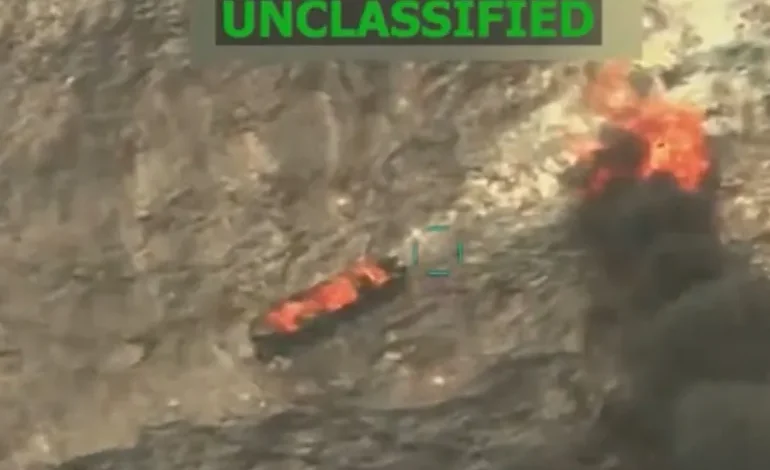

The United States military may have disguised one of its aircraft as a civilian plane during a deadly strike on a suspected drug smuggling boat coming from Venezuela, according to a new investigation by The New York Times, an allegation that has reignited concerns about possible war crimes.
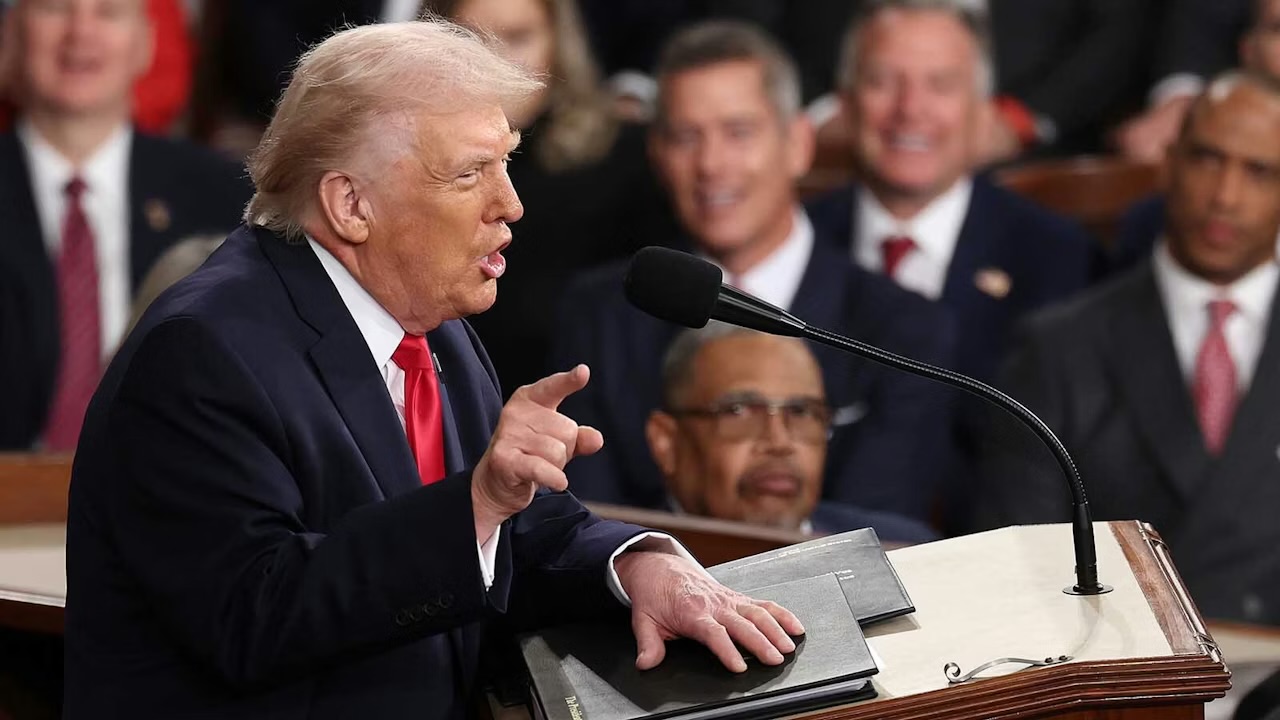
In a report published late Monday, the newspaper detailed what it described as the first known attack in President Donald Trump’s boat-bombing campaign, launched on September 2 in the southern Caribbean Sea. At the time, Trump announced on Truth Social that 11 people had been killed, branding them “narcoterrorists”.
The Times report complicates that narrative. According to multiple sources cited by the newspaper, the aircraft involved in the strike was painted to resemble a civilian plane, with missiles concealed inside its fuselage rather than mounted visibly under its wings. While the plane’s transponder reportedly broadcast a military tail number, the lack of clear military markings could amount to a serious breach of the laws of armed conflict.
Such deception, the report notes, could constitute “perfidy,” a prohibited tactic under international law that involves feigning civilian status to carry out an attack.
“Shielding your identity is an element of perfidy,” Major General Steven Lepper, a retired deputy judge advocate general for the US Air Force, told The New York Times. “If the aircraft flying above is not identifiable as a combatant aircraft, it should not be engaged in combatant activity.”
There was no immediate response from the White House following the publication of the report, and the newspaper said it was unclear who authorised the aircraft’s disguise.
The alleged use of a civilian-looking plane adds a new layer of controversy to an already heavily scrutinised campaign. The Trump administration has argued that the boat strikes are necessary to prevent illicit drugs from reaching US shores, claiming that the country is engaged in a “non-international armed conflict” with drug cartels, which Trump has labelled unlawful combatants.
Legal experts dispute that framing. Drug trafficking is a criminal activity, not an armed conflict, and human rights groups, including officials at the United Nations, have described the strikes as extrajudicial killings that violate international law.
The September 2 strike has been especially contentious. A brief 29-second video released by Trump showed a boat engulfed in a single explosion. But in December, The Washington Post reported that the attack was in fact a “double tap”, with a second missile fired to kill two survivors of the initial blast, a practice that is widely considered illegal, even in wartime, when combatants are shipwrecked or incapacitated.
The Times report suggests the aircraft’s disguise may have directly affected the behaviour of those survivors. Sources told the newspaper that the plane flew low enough for people on the boat to see it.
“Two survivors of the initial attack later appeared to wave” at the aircraft while clinging to wreckage, the Times reported. The second strike then killed them.
The paper contrasted that episode with a later strike on October 16. In that case, two survivors swam away after the first blast and were later rescued and repatriated to Colombia and Ecuador. By then, the US military had reportedly switched to clearly marked military aircraft, including MQ-9 Reaper drones, for subsequent operations.
Members of Congress have since been shown extended footage of the September 2 strike, and the Times reported that questions about perfidy were raised privately during closed-door briefings with military leaders.
“US military manuals about the law of war discuss perfidy at length, saying it includes when a combatant feigns civilian status so the adversary ‘neglects to take precautions which are otherwise necessary’,” the newspaper noted.
Despite mounting scrutiny, Trump administration officials have insisted the strikes are lawful and within US authority, denying any wrongdoing throughout the campaign.
Since September 2, at least 35 strikes have been carried out across the Caribbean and eastern Pacific, with as many as 114 people confirmed killed and one presumed dead, a toll that continues to fuel debate over the legality and consequences of Washington’s escalating use of military force far from its shores.



The latest news in your social feeds
Subscribe to our social media platforms to stay tuned