



Politico, CNN, NPR, BBC, CNBC contributed to this report.
Some of the biggest names on Wall Street are drawing a clear line in the sand: messing with the Federal Reserve’s independence is a bad idea — and could end up backfiring on the White House.
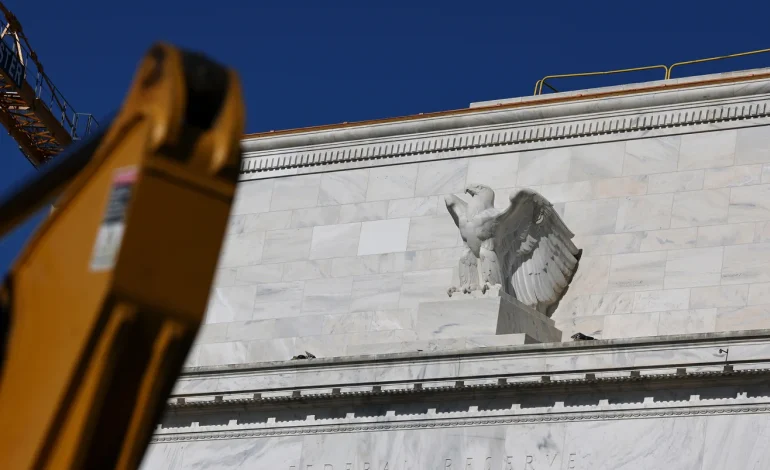
That was the message Tuesday as banking heavyweights rallied around Federal Reserve Chair Jerome Powell, after news broke that the Justice Department is pushing forward with a criminal inquiry tied to Powell’s congressional testimony about the Fed’s costly headquarters renovation.
JPMorgan Chase CEO Jamie Dimon didn’t mince words. While he said he doesn’t always agree with the Fed’s decisions, he made clear that targeting Powell crosses a line.
“I do have enormous respect for Jay Powell, the man,” Dimon told reporters after JPMorgan released earnings. “Anything that chips away at the Fed’s independence is not a good idea. And in my view, it’ll have the reverse consequences — higher inflation expectations and probably higher interest rates over time.”
That warning echoed across Wall Street.
BNY CEO Robin Vince, whose bank sits at the heart of the US Treasury market, said the investigation risks rattling the bond market — and undercutting President Donald Trump’s affordability agenda in the process.
“This could actually push interest rates up,” Vince said, adding that the administration is focused on affordability and shouldn’t be doing things that pull in the opposite direction.
The pushback lands as the Trump administration faces growing political heat over its escalating pressure campaign against Powell, who is in the final months of his term as Fed chair. Even some top Republicans — including allies of the president — have privately and publicly warned that going after the central bank chief could blow up politically and economically.
Former House Speaker Kevin McCarthy put it bluntly on CNBC:
“Whatever staff thought this was a smart idea, it’s not playing out.”
He also cautioned that the probe could complicate Senate confirmation hearings for whoever Trump nominates to replace Powell when his term ends in May.
Trump and senior officials have tried to distance themselves from the investigation, but the damage may already be done. The inquiry marks a sharp escalation in a long-running feud between Trump and Powell over interest rates, dating back to Trump’s first term.
What’s different this time is Powell’s response.
After years of absorbing criticism in silence, Powell finally pushed back over the weekend, calling the DOJ’s move a direct threat to the Fed’s independence — and, by extension, the US economy. In a rare and forceful video statement, Powell warned that criminal pressure tied to rate decisions could turn monetary policy into a political tool.
“This is about whether the Fed will be able to continue to set interest rates based on evidence and economic conditions,” Powell said, “or whether instead monetary policy will be directed by political pressure or intimidation.”
That message resonated far beyond Washington.
Former Fed Chairs Janet Yellen, Ben Bernanke and Alan Greenspan, along with ex–Treasury secretaries and top economic advisers, issued a joint statement blasting the probe as an “unprecedented attempt” to undermine central bank independence. Former Goldman Sachs CEO Lloyd Blankfein was even blunter, calling the move “murder-suicide” for both the Fed and the Justice Department.
Support also poured in from overseas. European Central Bank President Christine Lagarde and other global central bank leaders issued a rare joint statement backing Powell, stressing that independence is a “cornerstone of price, financial and economic stability.”
All of this comes amid rising tensions between Washington and Wall Street. Just days ago, Trump called for a cap on credit card interest rates and endorsed legislation that would tighten regulation of payment networks — proposals the banking industry has fiercely opposed.
On earnings calls, bank executives didn’t hide their frustration. JPMorgan CFO Jeremy Barnum warned that capping credit card rates would “hurt everyone” and reduce access to credit for lower-income consumers — the opposite of what the administration says it wants.
The irony, bankers argue, is that pressuring the Fed could delay rate cuts rather than speed them up. The central bank already cut rates three times last year, but further easing depends on inflation — which remains above the Fed’s 2% target.
For now, Powell appears emboldened, backed by Wall Street, global central bankers and a growing number of lawmakers. And with his term ending soon, many investors are asking the same question: Why pick this fight now — and at what cost?
One thing seems clear: on this issue, Wall Street isn’t staying quiet.


The latest news in your social feeds
Subscribe to our social media platforms to stay tuned