





Wyoming just landed a surprise $205 million in federal money aimed at shoring up rural health care — but state leaders are warning that the clock is already ticking, and the stakes are much higher than that first check, Oil City News reports.
Health officials told lawmakers this week that if the Legislature drags its feet or strays from the plan Wyoming already pitched to the feds, the state could forfeit as much as $800 million more down the road.
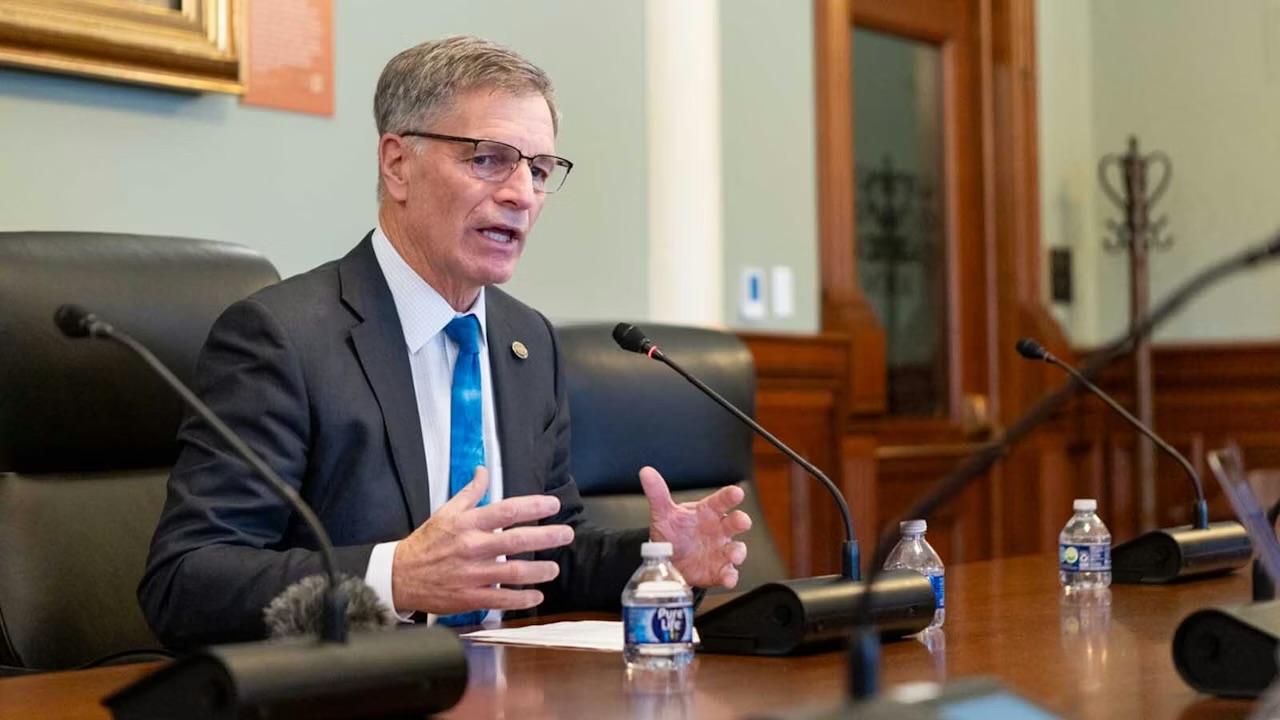
“We don’t have the luxury of waiting around,” Wyoming Department of Health Director Stefan Johansson told the Joint Appropriations Committee on Tuesday. “If we don’t spend this money the way we promised — or if we go off-script — the federal government can claw it back.”
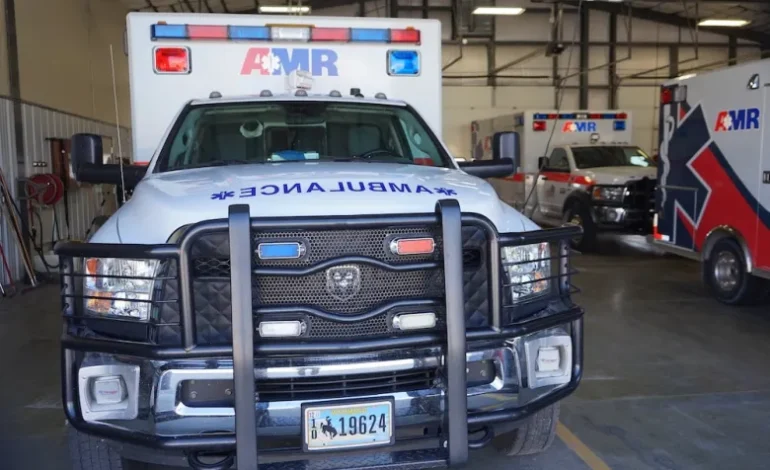
The $205 million is Wyoming’s first-year award under the new Rural Health Transformation Program, a federal initiative created under President Donald Trump’s One Big Beautiful Bill Act. The program will distribute $50 billion nationwide over five years to stabilize rural hospitals, EMS services and health care workforces.
Wyoming’s share turned out to be generous. The state received $5 million more than it asked for and ranks second in the nation for per-capita funding, trailing only Alaska. But that money comes with conditions — and lawmakers have a lot of work to do if they want to keep the pipeline open.
To move forward, the health department needs lawmakers to approve spending plans, authorize new programs and pass legislation — including a bill to create a permanent investment fund designed to keep rural health dollars flowing long after the federal money dries up.
That puts pressure on legislators, especially conservatives wary of expanding government involvement in health care.
Some proposals in the state’s application, including a state-run catastrophic insurance plan, have already raised eyebrows.
Rep. John Bear, R-Gillette, chair of the appropriations committee and a member of the Wyoming Freedom Caucus, didn’t hide his skepticism — though he did tip his hat to the department’s effort.
“You all have done an excellent job of — I’m going to call it — twisting the arm of the federal government,” Bear said. “Some of this surprised us. So, well done in that regard.”
Despite philosophical concerns, Bear said lawmakers will move ahead with the required legislative work.
“We’re taking this seriously,” he said. “We’ll be working on it.”
To secure the funding, the state moved quickly last fall, hosting public meetings, stakeholder conferences and collecting more than 1,300 survey responses. The result was an 84-page application submitted just before the Nov. 5 deadline.
The plan includes:
- Incentives for small rural hospitals to focus on core services;
- Workforce training grants tied to long-term service commitments;
- Investments in EMS and hospital sustainability;
- One-time grants for technology upgrades and preventive health;
- A permanent investment fund to generate long-term health care revenue;
- And the controversial public insurance concept known as BearCare.
CMS approved the proposal in late December, green-lighting Wyoming’s funding for 2026.
One of the centerpiece ideas is the Wyoming Health Transformation Perpetuity, an investment fund designed to turn short-term federal dollars into decades of support for rural health care.
“The state could receive over a billion dollars through this program,” Johansson said. “We built sustainability into the application on purpose.”
Instead of burning through the cash in five years, the fund would invest a portion annually, generating ongoing revenue to support hospitals, EMS providers and workforce retention — issues that have plagued Wyoming for decades.
“I know I sound like a used-car salesman,” Johansson joked, “but this could be truly transformative.”
Lawmakers are expected to revisit the perpetuity fund bill during a Jan. 15 committee meeting.
The most politically charged proposal is BearCare, a state-run catastrophic insurance plan that would cover major emergencies — think car wrecks or bear attacks — but not routine care.
Supporters say it’s a low-cost safety net for people who otherwise go uninsured, especially as Affordable Care Act subsidies expire and premiums spike.
Critics see it as government competition with private insurers.
“We’re stepping into the marketplace,” said Rep. Ken Pendergraft, R-Sheridan. “Philosophically, I have a real problem with that.”
Johansson emphasized BearCare would make up just 1.4% of the total budget and wouldn’t launch without explicit legislative approval.
“It’s optional,” he said. “And lawmakers will have the final say.”
For now, the message from health officials is clear: Wyoming has a rare opportunity to reshape rural health care — but only if lawmakers act quickly and stick to the plan.
If they don’t, the state risks leaving hundreds of millions of dollars on the table — and losing a once-in-a-generation chance to stabilize health care in Wyoming’s rural communities.



The latest news in your social feeds
Subscribe to our social media platforms to stay tuned