



Iran blames foreign hands as protests deepen and intervention talk grows
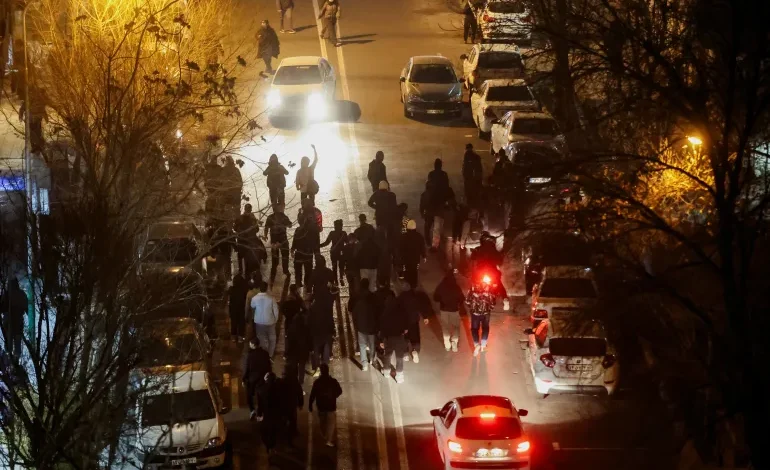

Iranian leaders are becoming increasingly explicit about who they believe is behind the unrest shaking the country. On Monday, President Masoud Pezeshkian moved away from economic grievances and domestic repression, and instead pointed squarely at Iran’s long-time enemies: Israel and the United States.
Speaking on state broadcaster IRIB, Masoud Pezeshkian said that “the same people that struck this country” during Israel’s 12-day war with Iran last June were now “trying to escalate these unrests with regard to the economic discussion”.
“They have trained some people inside and outside the country; they have brought in some terrorists from outside,” he said, alleging attacks on a bazaar in the northern city of Rasht and the torching of mosques.
Those claims come as the prospect of direct foreign intervention, overt or covert, appears to be rising. US President Donald Trump has repeatedly hinted that military action remains on the table, tying Iran’s internal crackdown to broader threats of force.
In Israel, rhetoric has been even more pointed. Far-right Heritage Minister Amichai Eliyahu told Army Radio last week that during Israel’s June operation, dubbed Rising Lion, Israeli forces had already laid groundwork inside Iran.
“I can assure you that we have some of our people operating there right now,” he said, stopping short of openly advocating regime change.
Former US Secretary of State Mike Pompeo was less subtle. Writing on social media earlier this month, he acknowledged the presence of Israeli agents inside Iran, posting:
“Happy New Year to every Iranian in the streets. Also to every Mossad agent walking beside them.”
Despite wars with Syria, Yemen and Lebanon, and the devastation it has unleashed on Gaza, Iran remains the central threat in Israeli strategic thinking. Prime Minister Benjamin Netanyahu has long argued that Tehran is on the verge of acquiring nuclear weapons and is the mastermind behind Israel’s regional adversaries.
That mindset is reinforced by Israel’s long history of covert action inside Iran. Past operations have targeted nuclear and missile programmes, embedded agents and weapons systems on Iranian soil, and carried out assassinations of scientists and political figures. Among the most high-profile was the killing of Hamas political leader Ismail Haniyeh in July 2024, while he was attending Pezeshkian’s inauguration.
Israel is also widely believed to have penetrated Iranian security networks ahead of the June war, enabling not just targeted killings but the assembly and launch of drones from within Iran itself.
For many analysts, the combination of prolonged protests, economic pressure from sanctions, corruption and mounting deaths has weakened Iran’s internal cohesion, creating openings for foreign intelligence services to exploit.

The latest news in your social feeds
Subscribe to our social media platforms to stay tuned