


Microsoft Says It’ll Pick Up the Power Bill for AI Data Centers — and Trump Is Applauding

The New York Times, CNN, Axios, AP, and Microsoft contributed to this report.
Microsoft is trying to cool one of the hottest political fights around artificial intelligence: who pays for all that electricity.
On Tuesday, the tech giant pledged that it will pay higher electricity rates for its data centers so local residents don’t see their power bills climb as AI infrastructure spreads across the country. The move drew quick praise from President Donald Trump, who has made rising household costs a central issue and says Americans shouldn’t be stuck subsidizing Big Tech’s power-hungry ambitions.
“I never want Americans to pay higher Electricity bills because of Data Centers,” Trump wrote on Truth Social, calling Microsoft the first of several tech companies he expects to step up.
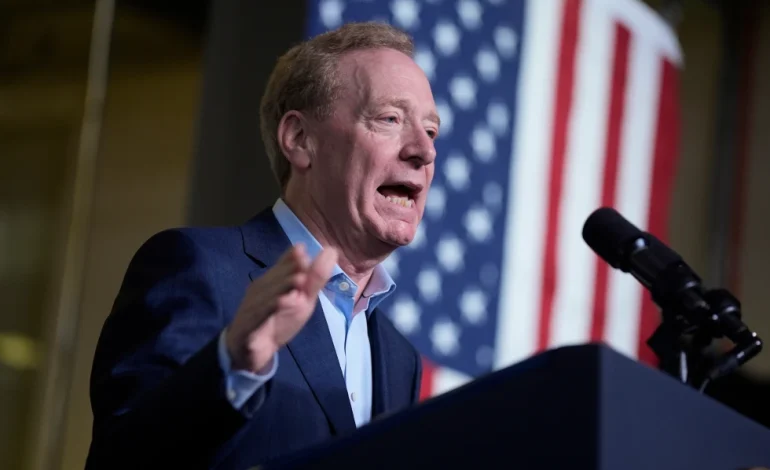
In a blog post and remarks in Washington, Microsoft President Brad Smith said the company will ask utilities and state regulators to set electricity rates high enough to fully cover the cost of powering Microsoft’s data centers, including the grid upgrades needed to support them.
“We’re not asking taxpayers to subsidize our electricity costs,” Smith said. “And we’re definitely not asking consumers to pay through their electricity bills for our electricity usage.”
That’s a big deal as data centers — the backbone of AI systems like ChatGPT and Microsoft’s Copilot — consume massive amounts of power. A Bloomberg News analysis last year found that in some areas near data centers, electricity costs jumped as much as 267% compared to five years ago, fueling local backlash.
Big Tech is pouring hundreds of billions of dollars into AI data centers, arguing the buildout is essential for economic growth and national security. But in many towns, residents aren’t convinced — especially when projects bring few permanent jobs and raise concerns about higher utility bills, water use and environmental impact.
The issue became a campaign flashpoint in last fall’s elections, with both parties facing pressure to rein in rising electricity costs. Trump hinted earlier this week that his administration was working with tech companies on a solution — and confirmed Microsoft would lead the way.
Microsoft’s pledge goes beyond power bills. The company says it will also:
- Pay for grid upgrades tied to its data centers so those costs aren’t passed on to other customers;
- Reduce water use and replenish more water than its facilities consume;
- Pay full property taxes, rather than seeking abatements, to support schools, hospitals and local services;
- Invest in local job training, including construction and long-term data center operations;
- Fund AI skills training and nonprofits in nearby communities.
Smith framed the effort as “Community-First AI Infrastructure,” saying the company wants to prove that data centers can be an economic boost without becoming a burden.
“The bare minimum is giving communities confidence that when a data center comes, their electricity prices won’t go up,” he said.
The announcement earned rare bipartisan attention. While Trump praised Microsoft’s stance, Democrats in several states have also been pressing tech companies to ensure residents don’t “pick up the tab.” New York Gov. Kathy Hochul said this week that affordability must come first as data centers expand.
Still, skepticism remains. Communities in Wisconsin, Indiana and elsewhere have pushed back against proposed projects, arguing that even generous promises don’t always translate into real-world protections.
Microsoft says it understands the resistance — and that it’s learned the hard way. Smith acknowledged that one proposed data center in Wisconsin was “dead on arrival” because of local opposition.
For Microsoft, the pledge is both a political calculation and a test of whether Big Tech can rebuild trust as AI reshapes the economy.
“Every major infrastructure buildout in American history has raised these same questions,” Smith said. “The difference is whether companies take the high road.”
Trump, at least for now, seems pleased with the approach. Whether other tech giants follow — and whether communities are convinced — may determine how fast the AI boom can actually grow.


The latest news in your social feeds
Subscribe to our social media platforms to stay tuned