





Somalia cuts ties with UAE, citing threat to sovereignty
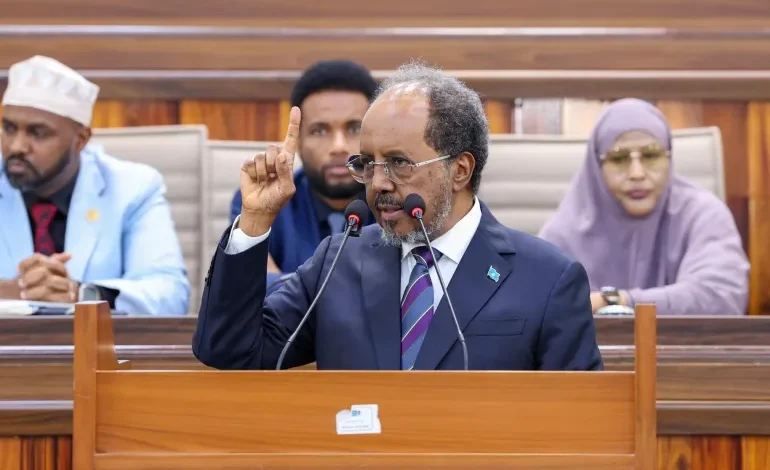

Somalia has abruptly severed all agreements with the United Arab Emirates, scrapping deals covering ports, security cooperation and defence, in a move that signals a sharp escalation in tensions between Mogadishu and one of its most influential foreign partners.
The decision was announced on Monday after a meeting of Somalia’s Council of Ministers. Defence Minister Ahmed Moallim Fiqi said the move was based on “reliable reports and evidence indicating practices linked to the United Arab Emirates that undermine the sovereignty of the Somali Republic, its national unity and political independence”.
There was no immediate response from Abu Dhabi.
While the government did not spell out the specific actions that prompted the rupture, analysts say the move is widely seen as a response to Israel’s recognition in December of Somaliland, a self-declared independent region in northwestern Somalia that broke away in 1991 but is not recognised internationally.
Somalia’s announcement comes despite a joint statement issued on January 7 by the UAE and the African Union pledging “support for Somalia’s sovereignty, territorial integrity, security and stability”. Abu Dhabi also declined to sign a joint Arab-Islamic declaration last month condemning Israel’s recognition of Somaliland, a move that fuelled suspicion in Mogadishu.
At the heart of the dispute is Somaliland’s growing strategic importance. Over the past decade, the breakaway region has become a hub for Emirati commercial and security interests, most notably through a 30-year concession at the Berbera port operated by the UAE logistics giant DP World.
The fallout also comes amid growing regional unease over the UAE’s role in neighbouring conflicts. Somalia’s move follows reports that Aidarous al-Zubaidi, leader of Yemen’s Southern Transitional Council, travelled to the UAE via Berbera on January 8 after refusing Saudi calls to attend talks in Riyadh. Somalia’s immigration authority later said it was investigating what it called the “unauthorised use of Somalia’s national airspace and airports”.
How far the decision will be enforced remains unclear. Somalia’s federal system grants significant autonomy to its member states, and it is uncertain whether they will comply with the federal government’s move.
Two regions in particular, Puntland and Jubaland, maintain close ties with the UAE and have recently clashed with Mogadishu over proposed constitutional changes and the organisation of upcoming elections.


The latest news in your social feeds
Subscribe to our social media platforms to stay tuned