


Australia Pulls Millions of Kids Off Social Media, and the Government Says It’s Just the Start
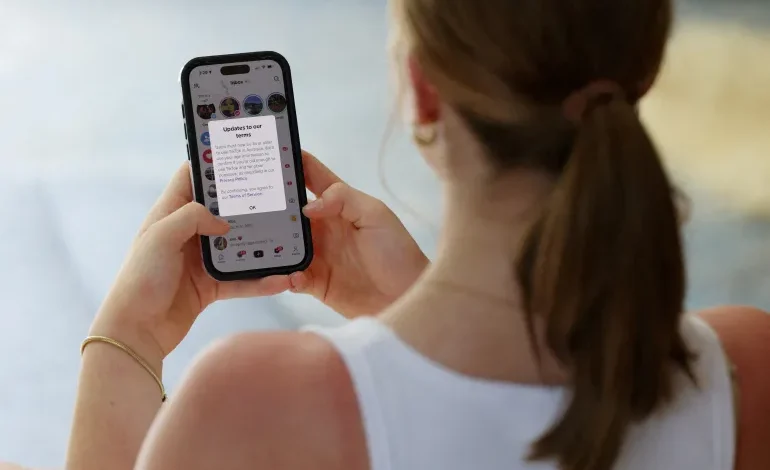

Australia’s ban on social media for children under 16 is already having a dramatic impact. Since the law came into force in December, platforms have shut down or restricted around 4.7 million accounts identified as belonging to children, according to figures released by the government.
The numbers, reported by 10 major social media companies, offer the first clear snapshot of how aggressively the landmark ban is being enforced and how widespread underage use had become.
“We stared down everybody who said it couldn’t be done, some of the most powerful and rich companies in the world and their supporters,” Communications Minister Anika Wells said on Friday. “Now Australian parents can be confident that their kids can have their childhoods back.”
The legislation was introduced amid growing concern over the impact of social media on young people’s mental health, exposure to harmful content, and online exploitation. It has also triggered a heated national debate about privacy, digital rights, and the role of technology companies in child safety, while prompting other governments to explore similar restrictions.
Under the law, platforms including Facebook, Instagram, TikTok, X, YouTube, Snapchat, Reddit, Threads, Twitch and Kick can face fines of up to 49.5 million Australian dollars if they fail to take reasonable steps to remove accounts belonging to children under 16. Messaging services such as WhatsApp and Facebook Messenger are exempt.
To enforce the ban, companies are allowed to verify age in several ways, including requesting identification documents, using third-party age estimation technology based on facial analysis, or inferring age from existing account data such as how long an account has been active.
Australia’s eSafety Commissioner Julie Inman Grant said the scale of removals was significant given the size of the population affected. About 2.5 million Australians are aged between eight and 15, and previous estimates suggested that 84 percent of children aged eight to 12 already had social media accounts before the ban.
It remains unclear how many total accounts existed across the 10 platforms, but Inman Grant described the 4.7 million figure as a positive early signal.
“We’re preventing predatory social media companies from accessing our children,” she said.
According to the commissioner, all 10 major platforms covered by the law complied with the initial enforcement requirements and submitted their removal data on time. She added that regulators now expect companies to shift focus from shutting down existing accounts to stopping children from creating new ones or bypassing the rules altogether.
Officials did not release platform-by-platform figures, but Meta, which owns Facebook, Instagram and Threads, said it had removed nearly 550,000 underage accounts by the day after the ban took effect.
In a blog post announcing those numbers, Meta criticised the policy and warned that smaller platforms not covered by the ban may not prioritise safety. The company also noted that children could still be exposed to algorithmically selected content while browsing, a concern that originally helped drive support for the legislation.
The ban has been widely welcomed by parents and child safety advocates. However, privacy campaigners and some youth organisations have opposed it, arguing that online spaces can provide vital support for vulnerable teenagers, particularly those living in remote parts of Australia.
Some young users have also admitted to finding ways around the restrictions, either by tricking age-verification systems or with help from parents or older siblings.

The latest news in your social feeds
Subscribe to our social media platforms to stay tuned