




High Seas Treaty Takes Effect, Marking Rare Win for Global Ocean Protection
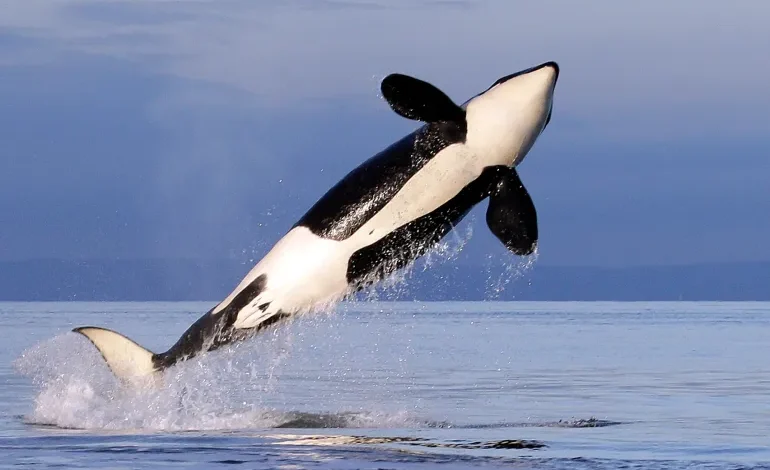

A long-delayed United Nations treaty aimed at protecting marine life in international waters is set to enter into force this weekend, after a critical mass of governments agreed to write it into national law.
So far, 81 countries have fully ratified the High Seas Treaty, clearing the legal threshold needed for it to take effect. In total, 148 countries, more than three-quarters of all UN member states, have signed on since the agreement was adopted in June 2023.
The treaty, formally known as the Agreement on the Conservation and Sustainable Use of Marine Biological Diversity of Areas beyond National Jurisdiction, or BBNJ, comes into force on Saturday. Its scope is vast, covering areas beyond national waters that make up roughly two-thirds of the world’s oceans and are home to as many as 10 million species, many of which scientists have yet to identify.
Among the countries that have fully ratified the treaty are small island states such as Palau, Cuba and the Maldives, alongside major economies including China, Germany, Japan, France and Brazil. Together, they have committed to new rules governing marine protected areas, environmental impact assessments, and the sharing of benefits derived from marine genetic resources.
“Whether it’s underwater mountains, deep-sea plains and trenches, the icy polar waters, or the open-ocean highways that migratory species travel, the High Seas are as vital as they are immense.”
UN Secretary-General Antonio Guterres has described the treaty as “a lifeline for the ocean and humanity” at a time when marine ecosystems are under growing pressure from climate change, biodiversity loss and pollution.
“Covering more than two-thirds of the ocean, the agreement sets binding rules to conserve and sustainably use marine biodiversity, share benefits more fairly, create protected areas, and advance science and capacity-building,” Guterres said last year, urging remaining governments to ratify the treaty without delay.
Despite the momentum, several major powers remain on the sidelines. The United States, India, the United Kingdom and Russia have all signed the treaty but have yet to ratify it, meaning they are not legally bound by its provisions. Under international law, signatories are expected to avoid actions that directly undermine the treaty’s goals, but enforcement remains limited.
The US position is particularly uncertain. President Donald Trump has pledged to pull Washington out of dozens of UN conventions and international bodies. While the High Seas Treaty was not included in a recent list of organisations the US plans to exit, Trump has taken several steps that cut sharply against its spirit.
Since returning to office, he has signed an executive order to accelerate deep-sea mining, promised to expand offshore oil drilling, and scrapped an international deal aimed at reducing pollution from global shipping.
That tension highlights the fragile nature of the treaty’s success. While its entry into force represents one of the most significant advances in ocean governance in decades, its effectiveness will depend on whether major maritime powers choose cooperation over extraction.
The latest news in your social feeds
Subscribe to our social media platforms to stay tuned