





ABC News, the New York Times, CNBC, Bloomberg, Al Jazeera, and Fortune contributed to this report.
Taipei is popping champagne – or at least something close to it – after Taiwan and the United States sealed what Taiwanese officials are calling their “best trade agreement yet.” Announced earlier this week, the deal is a major win for Taiwan’s economy and its pivotal tech sector, even as Beijing protests loudly from across the Strait.
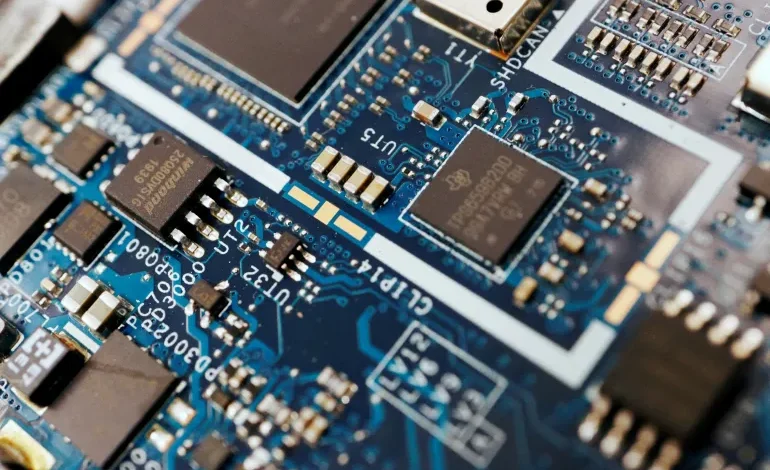
At its core, the trade pact between Taiwan and the US aims to cut tariffs and boost investment, especially in the semiconductor industry – the sector that has made Taiwan an economic heavyweight. The agreement strips back duties on a range of goods and expands access for US companies to Taiwan’s market, while also creating stronger incentives for chip-related investment on both sides.
Taiwanese officials hailed the arrangement as the most ambitious commercial pact the two sides have ever struck. In a statement, Taiwan’s Ministry of Economic Affairs said the agreement will “strengthen bilateral economic ties, deepen supply chain cooperation, and drive sustainable growth.”
This deal comes at a moment when semiconductors are at the center of global economic and geopolitical competition. Taiwan is home to TSMC – the powerhouse contract chipmaker responsible for most of the world’s advanced chips. The US has been trying to lure more of that high-tech manufacturing stateside to reduce reliance on Asia’s fabs.
And that’s happening: TSMC’s Arizona expansion – backed by big US incentives – is already in motion, and company leaders say the roadmap for stateside manufacturing is only getting clearer. The new trade deal complements that by reducing friction on cross-border tech and equipment flows.
Industry watchers say the pact could help narrow the technology gap between US and Taiwanese chipmaking infrastructure, making it easier for both sides to collaborate on next-generation processes and tooling.
China hasn’t taken the news quietly. The Taiwanese deal has upset Beijing, which views Taiwan as a breakaway province and rejects moves that it sees as strengthening US–Taiwan ties. Chinese officials issued protests, warning that enhanced US–Taiwan economic cooperation could destabilize regional peace.
State media and government spokespeople have framed the deal as a dangerous shift toward separatism, and called on Washington to respect its longstanding “One China” position. The protests underline how any US–Taiwan agreement – even one focused on trade – can quickly become entangled in big-power politics.
For Taiwan’s leaders, the timing feels right. With a slowing Chinese economy next door and an increasingly brittle global tech supply chain, Taipei is eager to lock in allies and customers. The US remains Taiwan’s biggest trading partner and a crucial security backstop, so deepening economic ties doesn’t just make business sense – it’s also a strategic play.
The deal comes as China is also trying to woo partners with its own economic packages, and Taiwan is keen to push back by anchoring stronger ties with democracies and advanced economies.
For regular businesses and workers, the effects won’t be immediate – trade deals take time to filter into real results. But Taiwanese exporters are optimistic, especially in high-value sectors like electronics, machinery, and semiconductors. US firms are eyeing more access to Taiwan’s market, especially in tech and services.
Economists say anything that reduces tariffs and streamlines cross-border investment rules typically boosts growth over time, especially when focused on emerging and high-tech industries.
Taiwan’s new trade agreement with the United States is being sold at home as a major economic milestone – one that deepens ties with a key ally and boosts its most important industry. But China’s rowdy reaction serves as a reminder: in East Asia, trade deals are never just about economics. They’re also about influence, identity, and who gets a say in the region’s future.
If you want, I can break down three specific industries the deal will impact most – from chips to agriculture. Want that as a follow-up?



The latest news in your social feeds
Subscribe to our social media platforms to stay tuned