


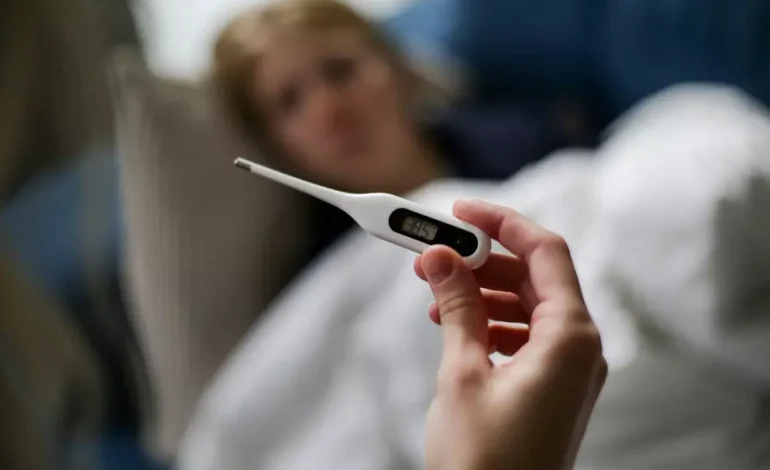

Wyoming is right in the thick of winter illness season, and this year’s flu activity is not something to ignore.
The Wyoming Department of Health has been reporting elevated influenza cases across the state, with hundreds of confirmed infections in recent weeks and flu activity showing up in all five regions of Wyoming, including the Big Horn Basin. Doctors’ offices are seeing more patients with flu-like symptoms than usual for this time of year. Officials expect this trend to continue for several more weeks.
This aligns with national CDC data showing that the broader 2025–2026 flu season remains more active than typical for this point in winter, driven mainly by a strain of influenza A(H3N2) virus that’s been circulating widely.
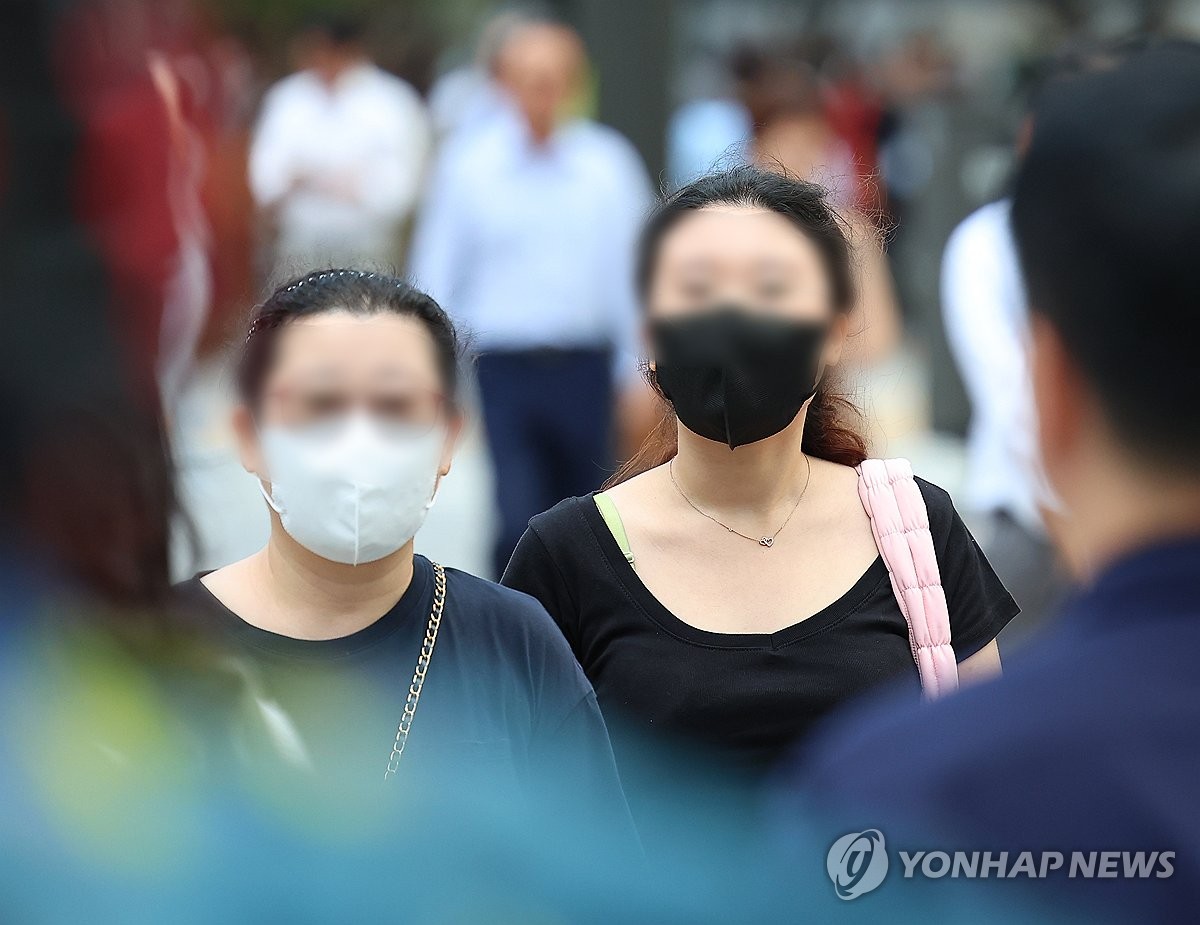
Locally, some health care providers – like Banner Health facilities in Casper – have even re-implemented masking policies for patients, visitors, and staff to protect vulnerable residents.
The takeaway: Wyoming’s flu season isn’t done yet. Even if symptoms feel “just like a cold,” the state’s health officials say vaccines, good hygiene, and common-sense precautions still matter – especially for seniors, kids, or those with other health conditions.
Wyoming is among the states set to receive millions in opioid settlement funds from lawsuits against drug makers and distributors. Under the state’s agreements, this money must go toward initiatives that actively address the opioid crisis – including treatment, prevention, research, and education.
But here’s the rub: most of that settlement money hasn’t yet been spent. Local governments in Wyoming have received funds but are moving cautiously, in part because they want to make sure they use it correctly and remain within the agreement’s strict rules.
What has been spent has been a mix of things – from funding treatment programs to purchasing specialized equipment – but the vast majority of opioid settlement dollars remain in the bank while overdose deaths continue to rise statewide.
For many public health advocates, this creates a familiar tension: Wyoming has resources earmarked for combating addiction, but the pace and scope of actual spending – especially on community-level treatment services – lag behind the scale of the crisis. That’s a big deal in a state where rural communities already struggle with access to behavioral health services and medical care.
Wyoming has longstanding challenges when it comes to mental health care, with one of the highest suicide rates in the nation and persistent gaps in treatment accessibility. Despite this, proposals to boost mental health funding have often stalled or been underfunded.
For example, a proposal from state leadership to increase Medicaid reimbursements for mental health providers – which could help keep services viable in rural areas – wasn’t funded as lawmakers finalized the state budget.
Meanwhile, community advocates point out that mental health care isn’t just about crisis intervention – it’s also about consistent, preventive treatment and workforce investment. Wyoming’s diversion and treatment court initiatives are steps in the right direction, linking people with serious mental illness to treatment instead of jail. But broader systemic shortcomings – like provider shortages and long wait times – still weigh heavily on families and local clinics.
What’s clear from Wyoming’s current healthcare headlines:
- Flu activity is elevated and showing no signs of tapering just yet – and the public is being reminded that vaccines and everyday precautions still matter.
- Opioid settlement funds represent a rare influx of targeted dollars that, if used strategically, could support both substance use treatment and prevention, but much of that money remains unspent and underutilized.
- Mental health funding continues to be a contentious policy area, with some potential improvements on the table but real, measurable increases still ahead.
From seasonal illnesses to chronic public health challenges, Wyoming’s healthcare conversation is shifting – and residents will be watching closely to see how leadership turns policy and dollars into real outcomes on the ground.
The latest news in your social feeds
Subscribe to our social media platforms to stay tuned