


Five Years In, Stellantis Is Still Searching for Its Footing as Shares Sink and a Reset Begins

The original story by Michael Wayland for CNBC.
Five years after Stellantis was born in a splashy transatlantic merger, the reality looks a lot rougher than the original pitch to investors.
The automaker — created in January 2021 through a $52 billion deal that combined Fiat Chrysler with France’s Groupe PSA — is now marking its fifth birthday with its stock deep in the red. US-listed shares are down about 43% since the merger, while shares in Italy have fallen roughly 40%. For a company that once promised scale, efficiency and strong profits, that’s a tough scorecard.
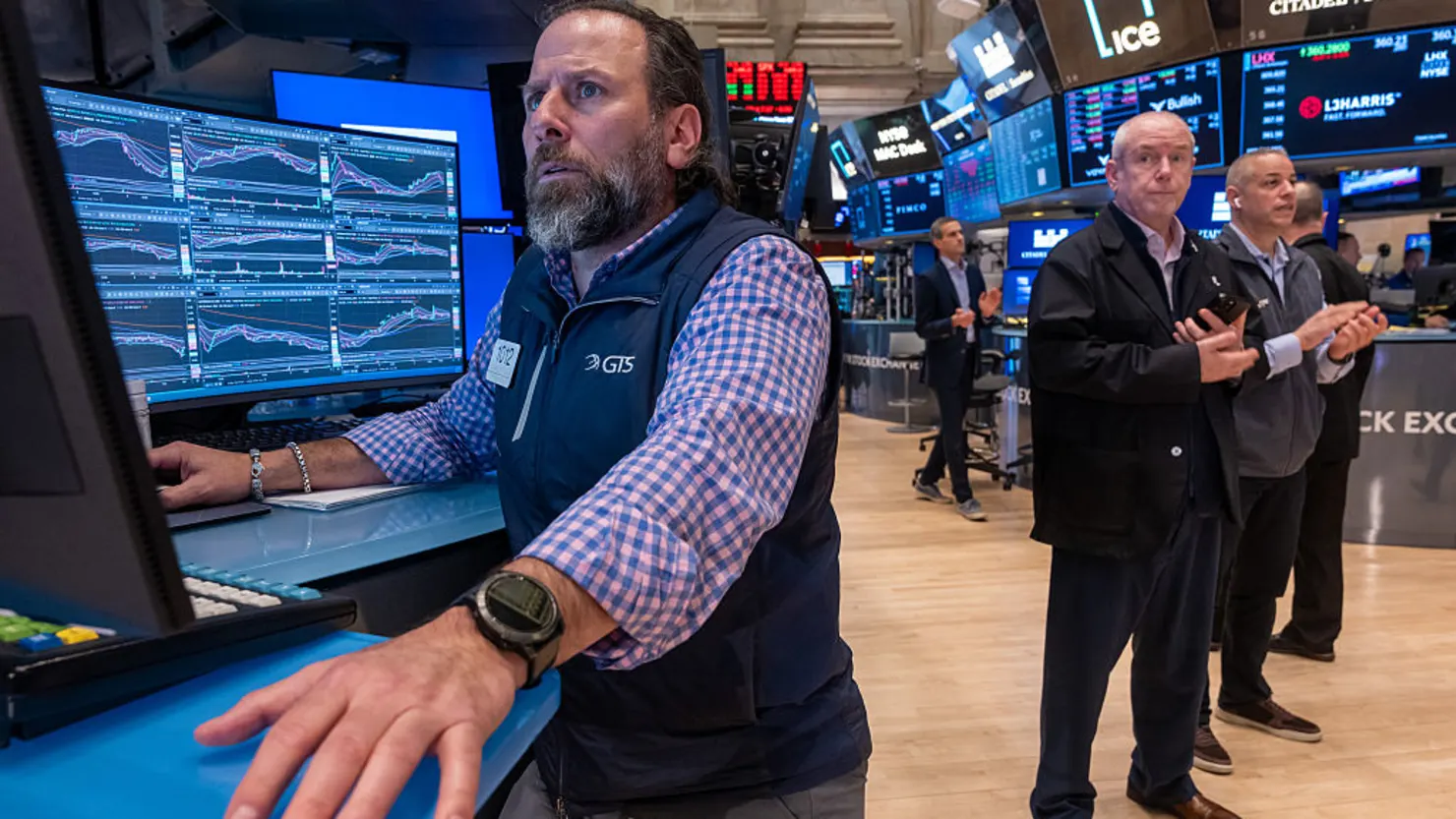
For a while, things didn’t look so bad. Stellantis stock climbed steadily after its New York Stock Exchange debut and peaked in early 2024, up as much as 74%. Then came a sharp reversal. Weak financial results, aggressive cost-cutting and a pricey push into electric vehicles rattled investors, and the stock slid hard.
That downturn also marked the beginning of the end for CEO Carlos Tavares, the veteran executive credited with stitching the company together. He abruptly exited in December 2024 after sales and profits disappointed under his ambitious “Dare Forward 2030” plan, which aimed for double-digit margins and much higher revenues.
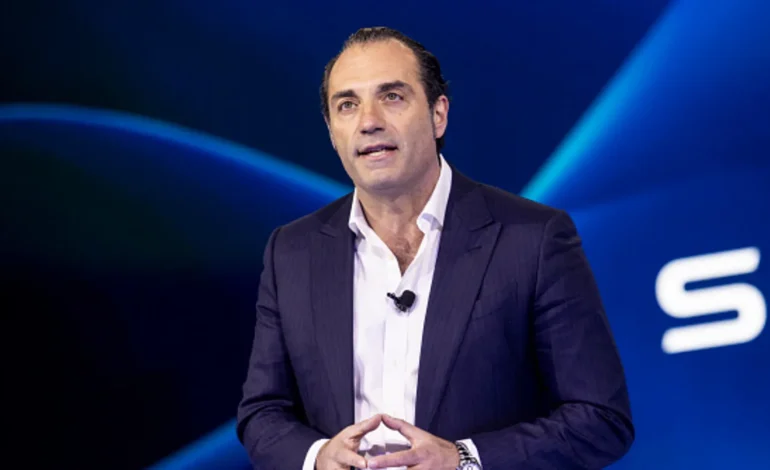
Enter Antonio Filosa, who took over last summer and is now trying to steady the ship.
Filosa’s turnaround plan is less about grand visions and more about execution — especially in the United States. His top priorities are Jeep and Ram, two brands that once printed money for the company but have steadily lost market share after years of sales declines.
“The strategy that we have in front of us is a strong one and will lead us to growth if we execute well,” Filosa said this week at the Detroit Auto Show. “This is a year of execution.”
So far, the market is cautiously watching. Stellantis shares are up about 2% since Filosa officially became CEO in late June, though they closed Friday at $9.60, down more than 4% on the day.
Behind the scenes, Filosa has been undoing parts of his predecessor’s playbook. Price cuts have been approved, product plans reshuffled, and some electric vehicle ambitions scaled back in favor of models that sell now, not later. He’s also focused heavily on repairing strained relationships with US dealers, suppliers and unions — relationships that executives have acknowledged suffered during Tavares’ intense focus on cost reductions.
Another question hanging over Stellantis is whether it’s simply too big and too spread out. The company controls a sprawling portfolio that includes Fiat, Alfa Romeo, Chrysler, Dodge, Peugeot and others — not all of them pulling their weight, especially in the US.
Filosa hasn’t ruled out trimming or refocusing parts of the business, though he’s been clear about one thing: he wants to keep the group together.
“I believe the company should stay together,” he said, pushing back on speculation that Stellantis might eventually sell off brands or assets — an idea even Tavares had floated before his departure.
The next major checkpoint comes later this month, when Filosa will meet with more than 200 senior executives. The agenda includes company culture, execution plans for 2026, and preparations for a future capital markets day where investors are expecting clearer answers about where Stellantis is headed.
For now, Stellantis at five years old looks less like a mature global powerhouse and more like a company still figuring itself out. The merger promised efficiency and scale. What investors got instead was a sharp rise, an even sharper fall, and now a reset under new leadership.
Filosa says the past six months have already shown him what needs fixing. Whether that’s enough to turn Jeep, Ram — and the stock — around is the question that will define Stellantis’ next five years.


The latest news in your social feeds
Subscribe to our social media platforms to stay tuned