


Reuters, the Guardian, BBC , the New York Times, and the Financial Times contributed to this report.
The International Monetary Fund gave the world’s economy a mostly positive report card this week – but with enough caveats and warning flags to keep policymakers, investors and everyday people on their toes.
In its latest World Economic Outlook, the IMF projects that global growth will stay “steady” through 2026. That’s good news after several years of shocks – from pandemic hangovers to inflation spikes and geopolitical turmoil. But dig a little deeper, and the picture is nuanced: machine learning, AI and productivity gains are bright spots, while trade tensions, tariffs and geopolitical friction remain dark clouds on the horizon.
One of the IMF’s biggest takeaways is that technological advances – especially in artificial intelligence – are lifting productivity and investment in key economies. Firms are spending on cloud infrastructure, chips and AI applications, and that’s translating into stronger output in some sectors.
“AI is helping offset some of the headwinds that have slowed growth in recent years,” one IMF economist told Reuters.
That doesn’t mean every country is suddenly “booming,” but the overall trend is positive enough that global GDP is expected to keep growing at a modest pace through 2026.
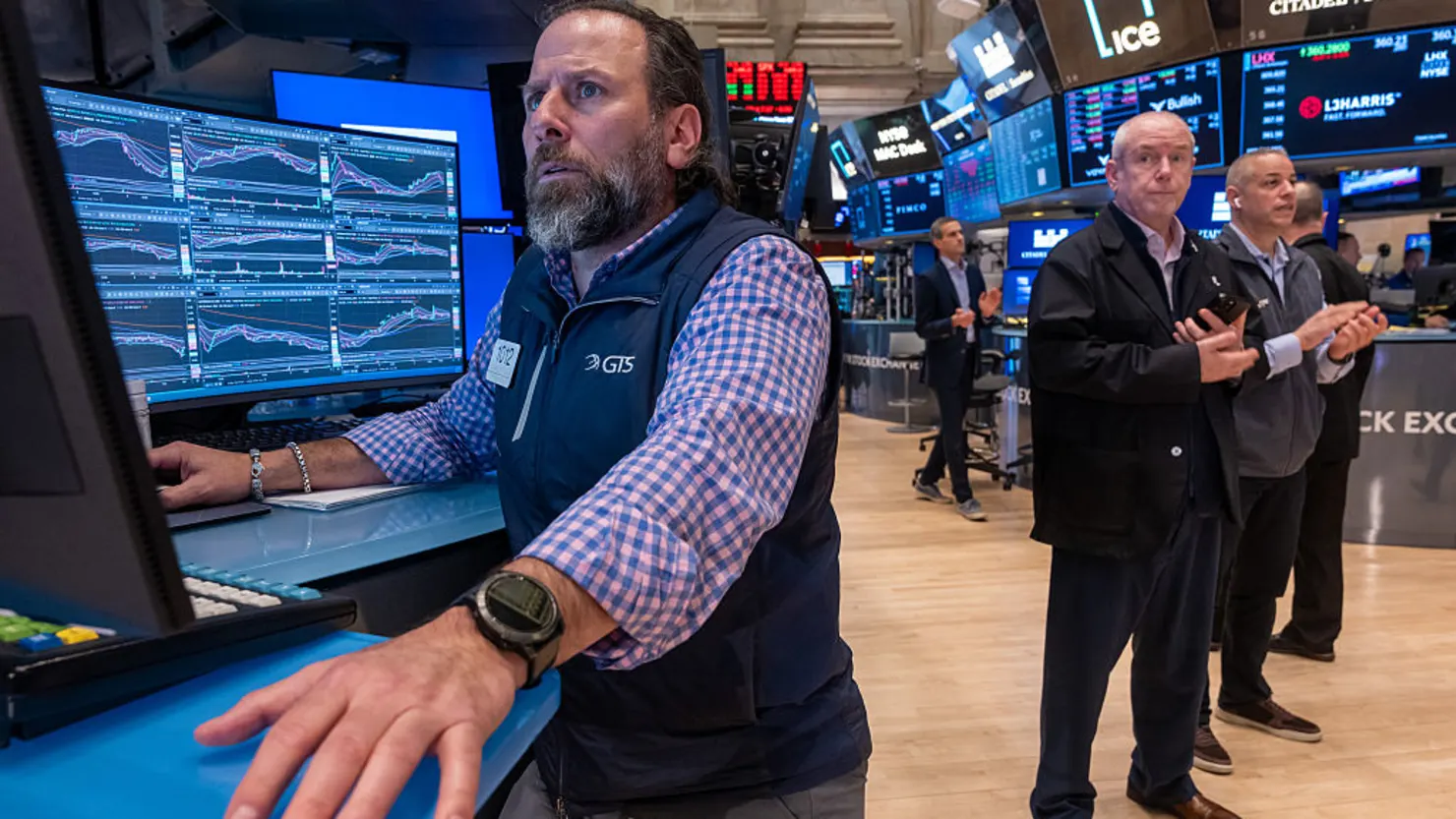
For markets and tech watchers, this part of the report was the headline grabber: the idea that cutting-edge tech isn’t just cool – it’s now a macroeconomic driver.
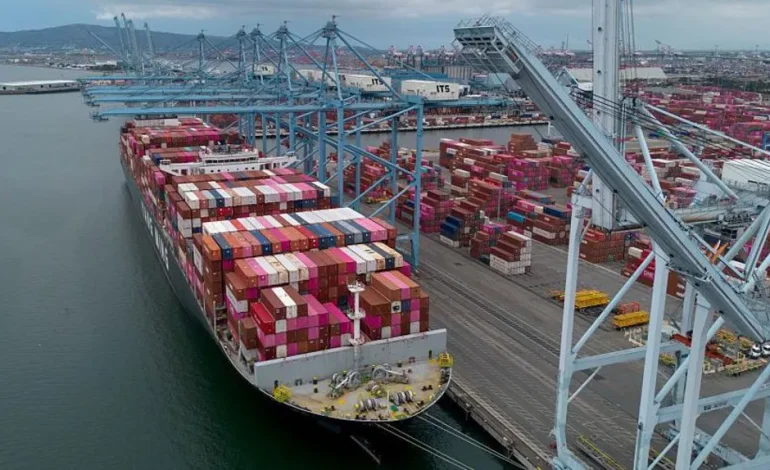
But there’s a flip side. The IMF didn’t sugarcoat the risks. High on the worry list are tariffs and trade barriers, which by crankier logic have grown just as technology integration makes supply chains more complex and global.
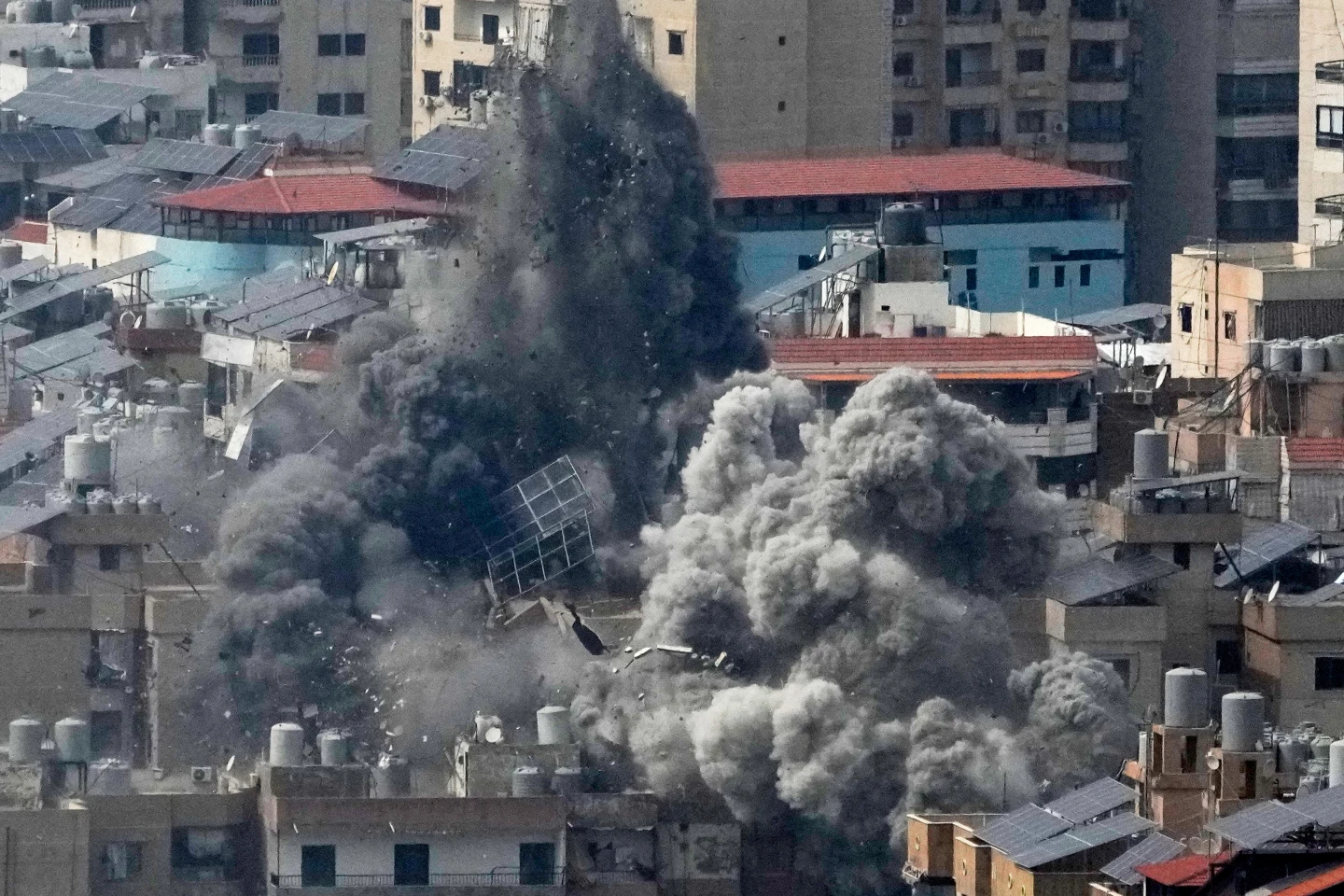
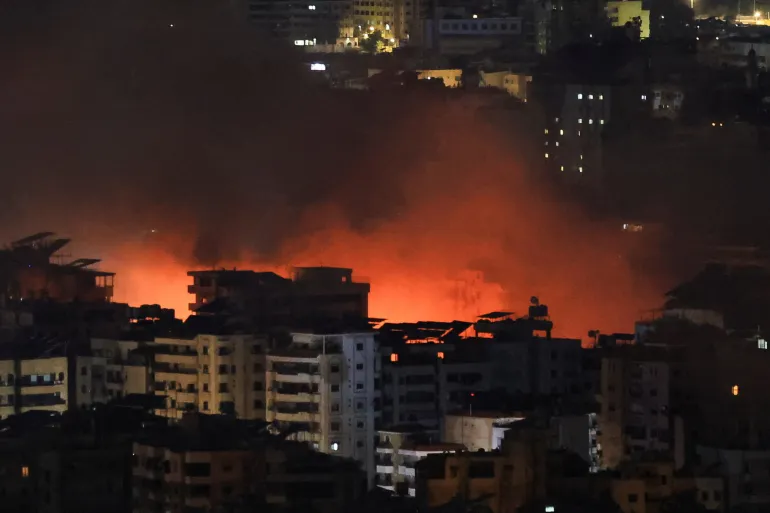
In a passage that drew particular attention, the IMF argued that rising protectionism – including the threat of new levies on goods between big economies – could choke off trade, depress investment and ultimately weigh on growth. That aligns with recent warnings that geopolitics is now a structural economic factor, not just a background irritation.
The BBC summarized this theme bluntly:
“Tariffs and geopolitical tensions threaten markets and global growth.”
That’s not exactly the reassuring language investors want to hear.
The IMF’s outlook isn’t evenly distributed. Some advanced economies – especially the United States and parts of Western Europe – are expected to grow at moderate, stable rates. Others, like Japan, face demographic drag and weaker domestic demand that could keep growth sluggish.
For emerging markets, the story is similarly uneven. Some Asian economies are projected to power ahead, while others grapple with debt, weaker currencies and fiscal constraints. Emerging markets as a whole are still a key source of global growth, but the IMF says their performance depends heavily on how they manage inflation, interest rates and external financing risks.
After years of inflation worries followed by aggressive interest rate hikes, many major economies are seeing price pressures ease. That’s giving central banks some breathing room. But the IMF warns that this relief is fragile: if geopolitical tensions flare or supply chains get disrupted again, inflation could jump back into the picture.
In the US, for example, the Federal Reserve and markets are still trying to read the tea leaves – weighing stronger labor markets and sticky prices against cooling trends in consumer spending and housing. Europe faces its own mix of inflation, energy risk and political surprises. The IMF’s baseline assumes no major new crises, but it also made clear that unexpected shocks remain a serious threat.
In practical terms, the IMF’s outlook sends a few broad signals:
- Innovation matters: Tech investment, especially in AI and related sectors, is a real – if uneven – source of growth, not just hype.
- Trade policy still matters: Rising tariffs and trade disputes could slow growth faster than many expect, especially for export-dependent economies.
- Geopolitical tensions are economic tail risks: Conflicts, supply chain realignments and fragmented blocs could sap confidence and investment.
- Not all growth is equal: Some countries are poised to grow faster than others, and domestic policy choices will magnify or mitigate those trends.
The IMF is offering a measured dose of optimism: the world economy isn’t crashing, and new technologies are injecting fresh dynamism into growth. But in 2026, growth is not just about numbers – it’s about how the world grows. Protectionism, geopolitics and uneven recoveries mean that headline GDP figures don’t tell the whole story.
As one IMF official put it:
“Steady growth is good, but we have to guard against complacency.”
That’s a neat way of saying it: we aren’t out of the weeds yet – but there are reasons to plant the seeds for what comes next.



The latest news in your social feeds
Subscribe to our social media platforms to stay tuned