



Japan Flips the Switch on the World’s Biggest Nuclear Plant

With input from BBC, NBC News, and Al Jazeera.
Japan has taken a big – and controversial – step back into nuclear power, restarting part of the world’s largest nuclear plant for the first time since the 2011 Fukushima disaster shut the country’s reactors down.
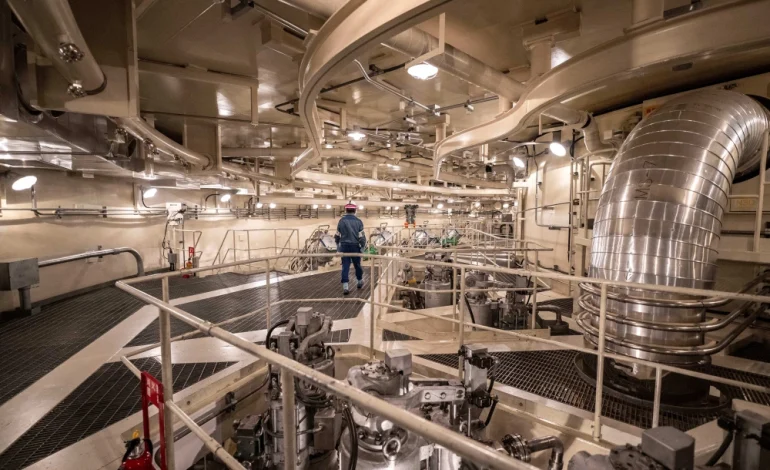
Tokyo Electric Power Co. (Tepco) this week brought reactor No. 6 back online at the Kashiwazaki-Kariwa nuclear plant in Niigata prefecture, northwest of Tokyo. The restart was delayed by a day because of a faulty alarm, but Tepco says the issue has been fixed and the reactor is expected to begin commercial operations next month.
The move comes despite lingering safety concerns from local residents and a deep well of public mistrust that dates back to Fukushima – one of the worst nuclear disasters in history.
Japan was once a nuclear powerhouse. Before 2011, nearly 30% of its electricity came from nuclear energy, and the government planned to push that figure even higher. But after a massive earthquake and tsunami triggered meltdowns at the Fukushima Daiichi plant, all 54 of Japan’s reactors were shut down, and public opinion swung sharply against nuclear power.
Now, more than a decade later, Japan is slowly bringing reactors back as it looks for ways to cut carbon emissions, reduce dependence on imported fuel and meet rising energy demand from data centers and chip factories.
Since 2015, 15 of Japan’s 33 operable reactors have been restarted. Kashiwazaki-Kariwa is the first Tepco-owned plant to come back online – a symbolic milestone given the company’s role in Fukushima.
“This is a major turning point,” said Filippo Pedretti, a nuclear power analyst with Japan NRG. “If even Tepco can restart its most important plant, it sends a signal that others could follow.”
For now, only one of the plant’s seven reactors is operating. When fully online, Kashiwazaki-Kariwa can produce 8.2 gigawatts of power, but reactor No. 7 isn’t expected to restart until around 2030, and several others may never come back at all.
Prime Minister Sanae Takaichi, who took office in October, has made nuclear energy a central plank of her energy policy. She’s pushing to restart more reactors and is even backing new-generation plants and small modular reactors, arguing Japan needs reliable, homegrown power.
But critics say the nuclear comeback is far from smooth.
The costs of restarting plants have surged due to tougher safety rules introduced after Fukushima – including massive tsunami walls, watertight doors and upgraded emergency systems. Those costs could end up being subsidized by taxpayers or passed on to consumers, both politically risky options as households grapple with rising living expenses.
“Nuclear power is much more expensive than they ever thought it would be,” said Dr. Florentine Koppenborg of the Technical University of Munich.
She called the restart “a drop on a hot stone” that doesn’t reverse the long-term decline of nuclear energy in Japan.
Public trust hasn’t helped. Kashiwazaki-Kariwa itself has been hit by a string of embarrassing security lapses, including lost and mishandled confidential documents. Elsewhere, regulators recently halted a reactor review at Chubu Electric’s Hamaoka plant after the company was caught falsifying seismic data.
Still, Japan’s nuclear watchdog insists safety oversight is tougher than ever. The Nuclear Regulation Authority, created after Fukushima, now has the final say on restarts. Former nuclear safety official Hisanori Nei says Japan’s plants are far better prepared for disasters than they were in 2011.
But some experts worry the upgrades are based too much on past disasters – not future ones, such as rising sea levels or the long-feared megaquake Japan expects could hit someday.
Public opinion remains split. While polls show support for nuclear power has slowly rebounded if safety can be guaranteed, protests continue. In recent weeks, demonstrators gathered outside both Tepco’s headquarters and the Niigata prefectural assembly, warning that local communities would bear the consequences of any future accident.
“If something happens, we’re the ones who suffer,” one protester told reporters.
For the government, the restart is both a test and a gamble. Success could ease power shortages and cut fuel imports. Failure – or even another scandal – could reignite fears that never fully faded after Fukushima.
As Japan cautiously powers up its biggest nuclear plant, it’s clear the country is still wrestling with the ghosts of 2011 – and the question of whether it can ever truly move past them.


The latest news in your social feeds
Subscribe to our social media platforms to stay tuned