





Japan is preparing to restart the world’s largest nuclear power plant, marking a dramatic turn back to atomic energy more than a decade after the Fukushima disaster shattered public trust and shut down the country’s reactors.
Tokyo Electric Power Co (TEPCO) said on Wednesday it was “proceeding with preparations” to bring one reactor at the Kashiwazaki-Kariwa plant in Niigata province back online at 7pm local time (10:00 GMT). The move comes despite lingering safety concerns and vocal public opposition.
Kashiwazaki-Kariwa, sprawling across 4.2 square kilometres on the coast of the Sea of Japan, has seven reactors. Only one will restart initially, but when fully operational the plant can generate 8.2 gigawatts of electricity, enough to power millions of homes.
The decision reopens deep wounds from 2011, when a massive earthquake and tsunami triggered a triple meltdown at TEPCO’s Fukushima Daiichi plant, prompting Japan to shut down all 54 of its nuclear reactors. Since then, nuclear energy has remained one of the country’s most politically toxic issues.
Japan is now restarting its 15th reactor out of 33 deemed operable, as energy policy shifts under Prime Minister Sanae Takaichi. With offshore wind projects struggling and fuel imports costly, Tokyo is once again betting on nuclear power to shore up energy security and cut reliance on fossil fuels. The government has also unveiled new state funding to accelerate the sector’s revival and is openly backing the construction of new reactors.
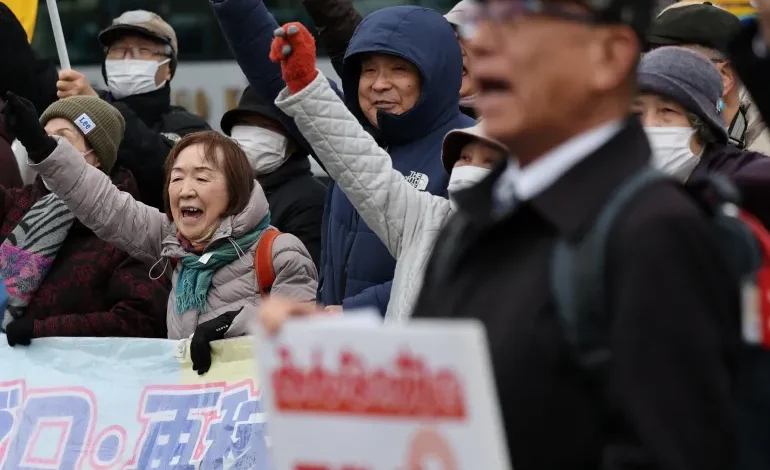
Still, resistance remains fierce. Earlier this month, nearly 40,000 people signed a petition opposing the Kashiwazaki-Kariwa restart, warning that the plant sits near an active seismic fault and recalling damage it sustained during a powerful earthquake in 2007.
“We can’t remove the fear of being hit by another unforeseen earthquake,” the petition said. “Making many people anxious and fearful so as to send electricity to Tokyo … is intolerable.”
The restart was delayed by a day after an alarm malfunction, which TEPCO said has since been resolved. The plant has been fitted with a 15-metre-high tsunami wall and additional safety upgrades, but critics argue that no engineering fixes can fully neutralise Japan’s seismic risks.
TEPCO President Tomoaki Kobayakawa acknowledged the lingering mistrust, telling the Asahi newspaper that safety was “an ongoing process, which means operators involved in nuclear power must never be arrogant or overconfident”.
The relaunch also comes as Japan’s nuclear sector grapples with fresh scandals, including recent cases of data falsification to downplay seismic risks — reminders of why confidence in the industry remains fragile.



The latest news in your social feeds
Subscribe to our social media platforms to stay tuned