




Business Insider and the New York Times contributed to this report.
A year into President Trump’s second term, the American economy looks surprisingly familiar – low unemployment, steady consumer spending, and inflation slowly easing – but economists warn the first year’s policies could leave long-lasting scars.
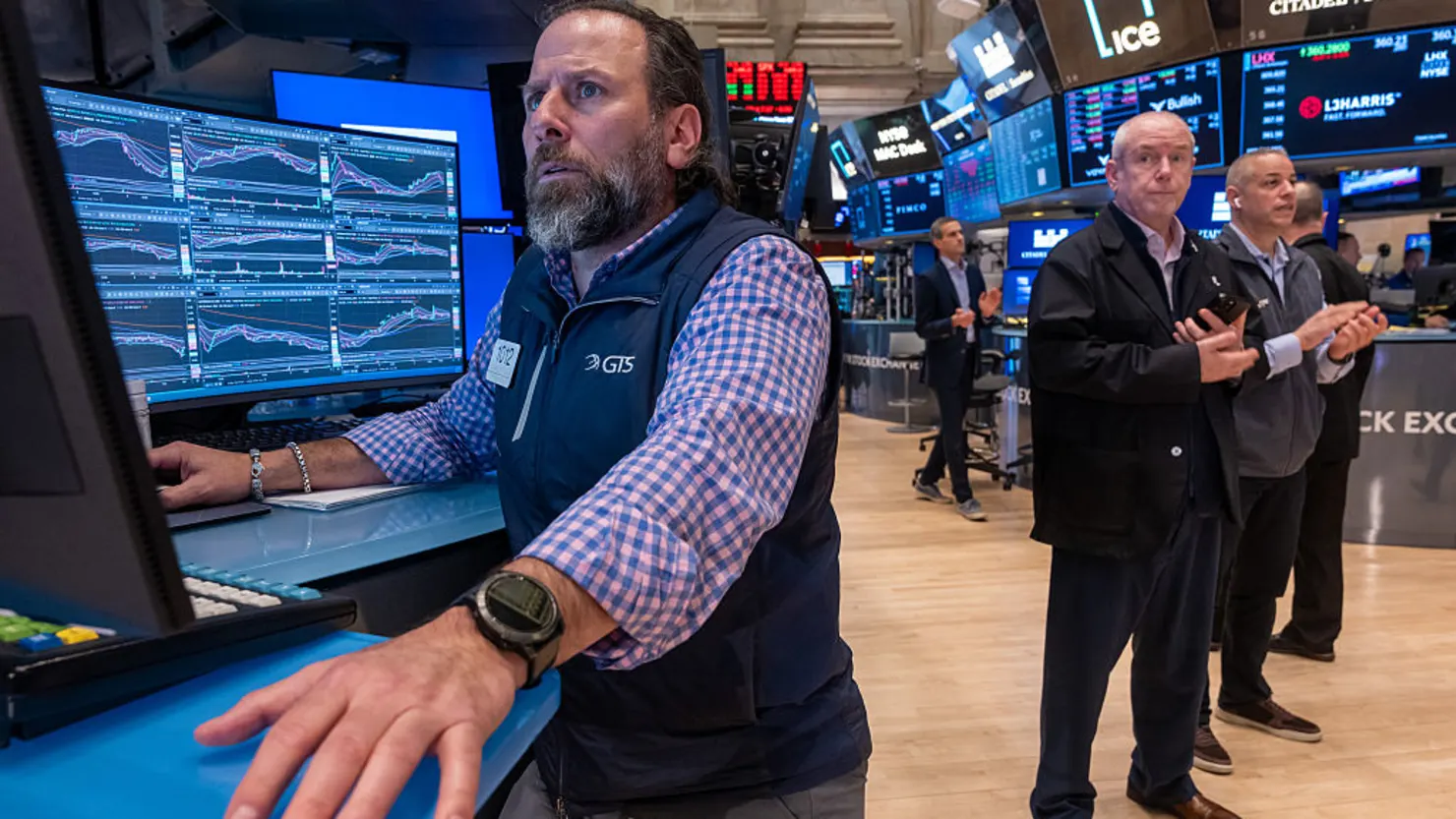
On the surface, Trump’s economic playbook hasn’t sparked the dramatic shifts some predicted. Tariffs haven’t revived manufacturing like he promised, but they also haven’t triggered runaway inflation. The stock market eked out a respectable 16% gain, leaving analysts noting that the US economy’s resilience is holding… for now.
But scratch the surface, and the picture is more complicated. Economists across the political spectrum caution that Trump’s second-term policies – from undermining the Federal Reserve’s independence to shrinking federal employment, cutting university funding, and wielding tariffs aggressively – could make the economy weaker over the long run.
“We’re weakening the special sauce that made America so great,” said UCLA economist Kimberly Clausing.
Even Trump’s allies admit the first year has trade-offs. Vance Ginn, a former Trump administration economist, praised deregulation and tax cuts but said the costs of trade and immigration policies, federal deficit growth, and government interference in private business outweigh the benefits.
Some effects are subtle, appearing as slow economic growth, higher interest rates, and cautious corporate investment. A bigger crisis – if it comes – could show up years down the road, long after Trump leaves office, making it hard for voters to hold anyone accountable.
Short-term issues are clearer: tariffs and policy uncertainty have kept hiring sluggish, and Americans worry about affordability despite low unemployment. High-income households continue spending, but lower-income families are feeling the pinch. Consumer sentiment remains fragile, with job market concerns growing alongside price worries.
Trump defenders argue patience is required. Companies may need time to adapt to higher tariffs and stricter immigration policies before any benefits appear. But many economists are skeptical that the trade strategy or other interventions will yield long-term gains. They are more worried about undermining institutions like the Fed, ballooning deficits, and weakening US competitiveness in scientific research – all of which could sap economic dynamism over decades.
So far, the economy hasn’t collapsed, and growth is expected to continue in 2026. But as Clausing put it:
“The long run takes a long time to arrive, and when it comes, it comes with astonishing swiftness. I don’t know when the chickens come home to roost, but they will.”
In short, one year in, the US economy is treading water. The real impact of Trump’s second-term policies may not be fully felt until much later – and when it hits, it could change the landscape of American prosperity for years to come.

The latest news in your social feeds
Subscribe to our social media platforms to stay tuned