


Wardens Say they Caught him Poaching. Rodney Gilstrap Says he Didn’t Do a Thing Wrong

The original story by Christina MacIntosh for Jackson Hole News&Guide.
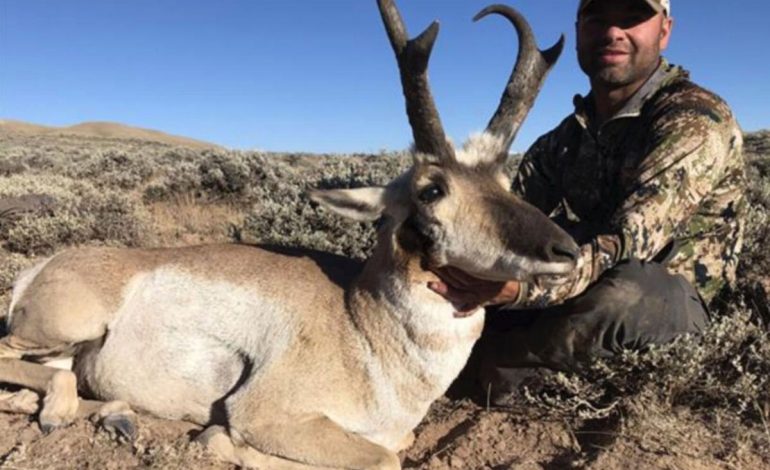
Wyoming wildlife managers say they finally caught up with Rodney Gilstrap after years of watching, investigating and building a case. Gilstrap, for his part, says they’ve got it all wrong.
Gilstrap is widely known as a skilled hunter – something even the people who investigated him don’t dispute. No one probably knows that better than James Hobbs, the former Wyoming Game and Fish Department warden out of Afton, who spent several years tracking Gilstrap’s alleged activities.
According to Game and Fish, that long investigation ended with Gilstrap being charged with poaching-related crimes. Wardens say the case involved repeated violations and deliberate attempts to skirt wildlife laws.
They also say Gilstrap had bigger ambitions than just filling his freezer.
Investigators have described him as an aspiring hunting influencer – someone allegedly eager to build an online following by showcasing kills and backcountry exploits. Gilstrap flatly denies that characterization, saying he was never trying to gain internet fame or promote himself on social media.
“I’m just a hunter,” he has said, pushing back on the idea that likes, follows or sponsorships played any role in his actions.
Details of the alleged poaching span multiple years and required extensive surveillance, interviews and coordination by wildlife managers, according to court records and enforcement officials. Hobbs, who led much of the investigation before retiring, described Gilstrap as knowledgeable, experienced and careful – traits that, in the eyes of wardens, made the alleged violations harder to detect.
That same expertise, however, is part of what makes the case so contentious.
Gilstrap has denied every allegation, maintaining that he followed the law and that the state’s case is built on misinterpretations and assumptions rather than solid proof. His defense has pushed back strongly on the idea that skill and success in the field should be treated as evidence of wrongdoing.
Game and Fish officials, meanwhile, say the case highlights a broader issue in modern wildlife enforcement, where social media, notoriety and trophy culture can blur lines – and sometimes motivate illegal behavior.
As the case moves forward, a judge or jury will ultimately decide who’s telling the truth. For now, it stands as a rare and closely watched confrontation between Wyoming wildlife managers and a hunter they say knew the rules – and chose to break them.

The latest news in your social feeds
Subscribe to our social media platforms to stay tuned