





With input from Reuters, CNBC, and Bloomberg.
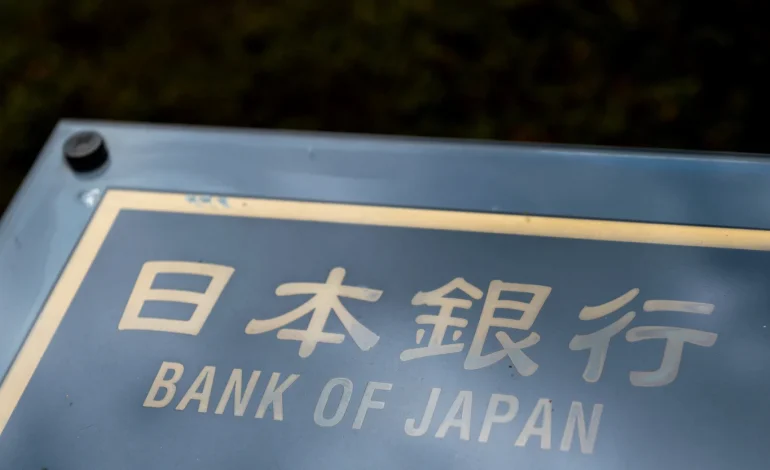
The Bank of Japan pressed pause on interest-rate drama Friday, keeping its policy rate at 0.75% while nudging up its outlook for economic growth – a move that looks designed to steady nerves as the country heads into a surprise snap election.
The decision wasn’t a shock so much as a careful shrug: the BOJ signaled it still expects the economy to do better than previously thought, but it didn’t want to spook markets by tightening policy right now. Officials made the call against a choppy backdrop – a government election was announced with market-watchers already eyeing higher yields and a wobbling yen.
“Raise the forecast, keep the foot on the brake” is the vibe here.
The central bank upgraded near-term growth projections, reflecting stronger activity and resilient consumer demand, but stopped short of changing its interest-rate stance. That cautious combo is meant to buy time for policymakers to see if the upgrade holds up once voters head to the polls.
Markets reacted like you’d expect when a central bank plays it cool: the yen jumped back after an earlier tumble, and the dollar looked set to finish the week on the back foot. Bond yields briefly spiked in the aftermath of the election news – an unwelcome reminder that even talk of political shakeups can rattle long-term financing costs. Traders have been jittery about how election-driven fiscal promises and global rate moves might interact.
Why this matters: a stronger growth outlook gives Tokyo a little breathing room to avoid hiking rates prematurely, but the BOJ also has to wrestle with volatile global yields and the inflation picture. If yields keep climbing – domestic or global – the central bank may face pressure to defend its targets or alter its market operations, which could in turn push up borrowing costs at a time when politicians might promise fresh spending.
Bottom line: for now, the BOJ is buying time. It’s upgraded its growth story but stayed put on rates, trying to keep the economy stable while voters decide the country’s political direction. Markets will be watching both the election results and the BOJ’s next moves closely – because once headlines shift from ballots to budgets, the central bank’s comfortable middle ground could get a lot harder to maintain.



The latest news in your social feeds
Subscribe to our social media platforms to stay tuned