




Bloomberg, the New York Times, Reuters, and Business Insider contributed to this report.
As tensions between the United States and its European allies have flared – notably over President Donald Trump’s push for Greenland and recent tariff threats – economists and strategists have been reminding Washington that Europe holds a lot more financial leverage than people often talk about. That leverage doesn’t come from trade alone, but from the vast amount of US assets locked up in European hands – and how essential that foreign capital is to the US economy.
Here’s a look at how Europe’s financial footprint could become a strategic tool:
European investors and institutions collectively hold trillions of dollars in US government bonds and equities – numbers that dwarf the holdings of most other regions. Analysts have pointed out that European countries own roughly $8 trillion worth of US bonds and stocks, a figure that is nearly twice the combined holdings of the rest of the world outside Asia. That size alone gives Europe indirect say over how easy and cheap it is for the US to borrow and spend.
This includes not just government debt, but corporate equities that make European portfolios deeply tied into US corporate performance – a link that is hard to unwind quickly without shaking markets.
Despite the political noise about a possible “Sell America” scenario, recent data shows Europe has actually been a huge net buyer of US Treasuries. Portfolio numbers tracked through much of 2025 found that European investors accounted for around 80% of foreign purchases of US government bonds from April through November – helping push foreign holdings to record highs.
That suggests that, even in the face of geopolitical tension, European money still sees US debt as a cornerstone of global finance – at least for now.
The idea that Europe could turn off its capital taps isn’t just academic. Financial strategists have warned that a coordinated move by Europeans to trim their US exposure – whether by selling Treasuries or reducing positions in US equities – could shake markets by driving up yields, helping push borrowing costs higher for the US government, businesses and consumers. Such moves could also weigh on the dollar and disrupt the safe-haven status of US assets.
Those kinds of outcomes would be the last thing Washington wants, especially with a ballooning federal deficit and ongoing fiscal needs. Foreign demand for US Treasuries helps finance the day-to-day running of the government and keeps interest rates lower than they otherwise might be.
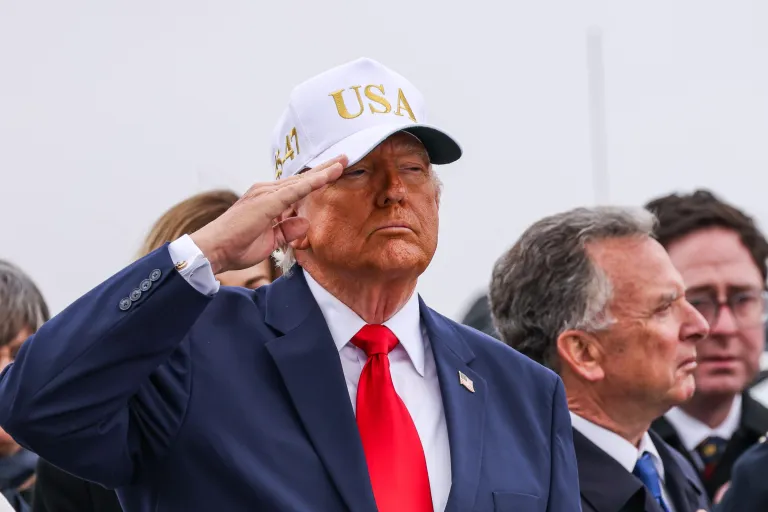
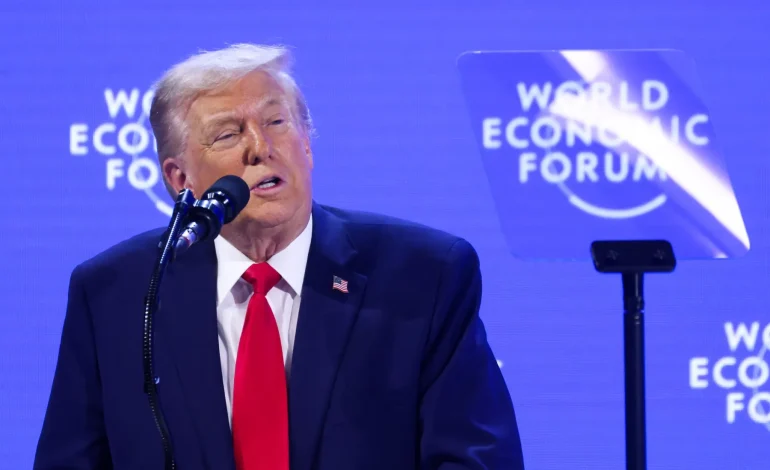
The Greenland flap – and Trump’s warnings of “big retaliation” if Europe dumps US assets – highlights how geopolitics and finance are intertwined in the modern world. While coordinated selling of US assets would be complicated and potentially costly for European investors themselves, the fact that the idea is even being discussed shows how economic tools can double as diplomatic leverage when diplomatic tensions flare.
Treasury Secretary Scott Bessent has sought to play down the notion that Europe dumping US bonds is imminent or credible, even brushing off comments about Denmark’s moves as “irrelevant.” But analysts point out that private pensions and large institutional holders making even small reallocations can ripple through markets, especially if confidence wavers.
The US doesn’t just rely on foreign capital for government borrowing – that foreign demand helps keep mortgage and corporate borrowing affordable, supports the dollar’s global role and underpins the deep liquidity that financial markets prize. If Europe – or the broader global investing community – ever began to question that safe-haven status, it could reshape how America funds itself and pays for both everyday economic activity and its long-term obligations.
For now, major European selling hasn’t materialized, and record foreign holdings show continued confidence in US assets. But the mere possibility that Europe’s trillions in bonds and stocks could be used as leverage adds a new layer to geopolitical disputes – one that goes beyond tariffs and territory, straight into the heart of global finance.


The latest news in your social feeds
Subscribe to our social media platforms to stay tuned