




Wyoming lawmakers are teeing up a fresh round of property-tax changes – and they’re not small tweaks. The Revenue Committee advanced half a dozen bill drafts late last year that could reshape how homes are taxed in the state, what exemptions stick around, and even whether the sales tax gets a boost to make up the difference, Wyoming Eagle Tribune reports.
At the center of the package: a bill to remove the 2027 sunset on the long-term homeowner exemption approved in 2024, and a high-stakes idea to scrap residential property assessments altogether through a constitutional amendment. Lawmakers also moved forward with drafts that would create a residential property exemption paired with a 2-point increase in the statewide sales tax (from 4% to 6%) – a swap that backers say could replace lost local revenue but opponents warn would make Wyoming’s tax base more volatile.
If you like numbers, here’s one that landed in committee testimony: the long-term homeowner exemption removed roughly $680 million in assessed value from the rolls in 2025, translating to about $47 million less in revenue statewide – a hole that state leaders are clearly trying to reckon with.
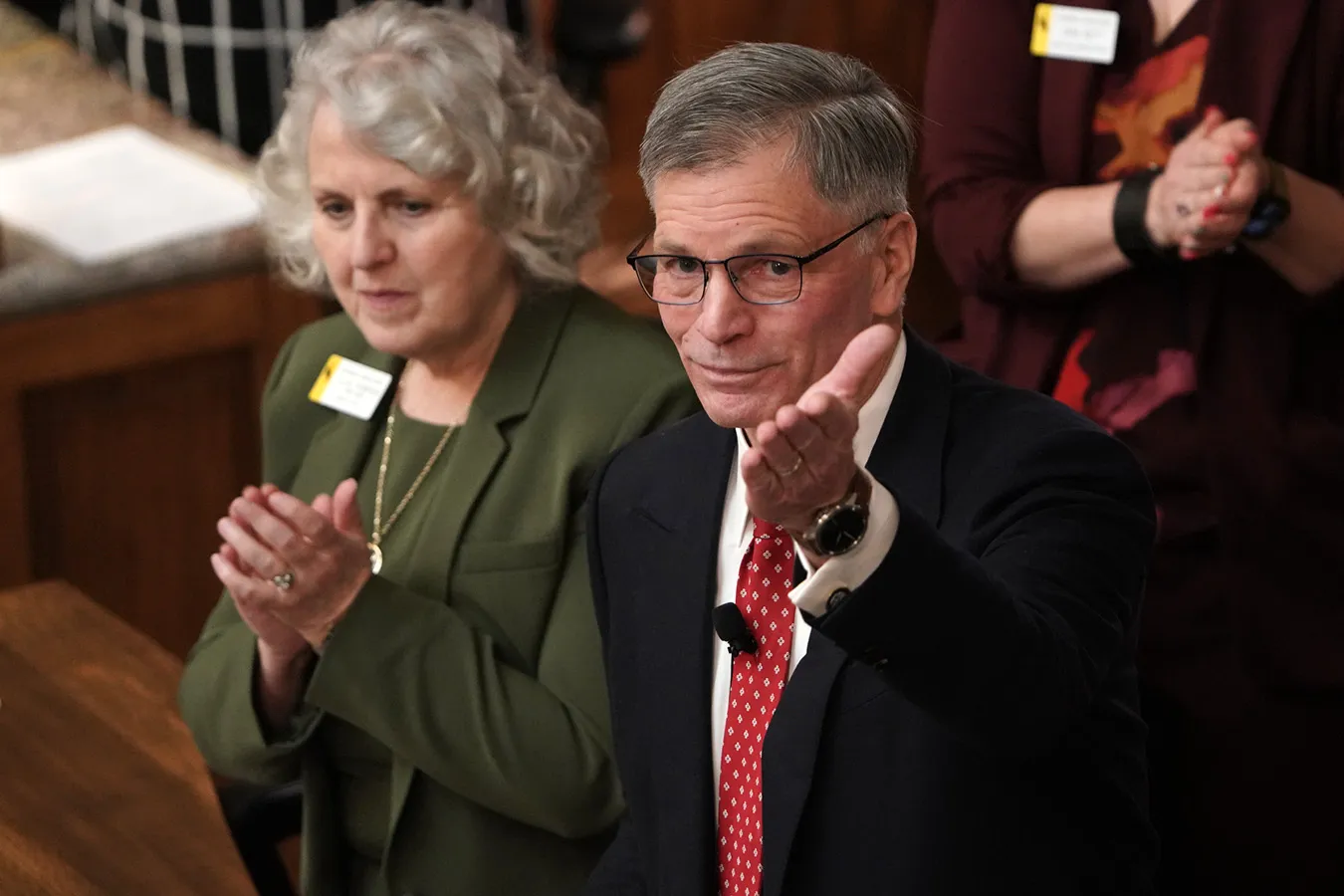
Not everyone’s on board. Lander Sen. Cale Case voted “no” on the pack of six property tax measures, calling some proposals “bad policy” that could swap a relatively stable property tax base for an “erratic” sales tax stream. Municipal officials echoed that concern, saying higher sales taxes might undercut the optional local taxes many towns rely on.
Supporters argue the changes help homeowners – especially older, long-time residents – and give the Legislature flexibility to respond to rising assessments. Opponents worry about unintended consequences: fewer funds for counties and cities, pressure on local services, and a heavier reliance on sales taxes that can swing with the economy.
Lawmakers also advanced drafts that would let the Legislature set how residential property is valued for tax purposes and spell out assessment rates for the new residential class created by last year’s constitutional amendment. All six measures are now headed to the full 2026 session for debate.
The bottom line: this isn’t yet law – it’s a roadmap for the session ahead. But if these bills keep momentum, Wyoming voters and local governments could be facing some big decisions about who pays what, and how the state balances relief for homeowners with stable funding for schools, roads and local services.



The latest news in your social feeds
Subscribe to our social media platforms to stay tuned