

With input from AP, BBC, Reuters, and Al Jazeera.
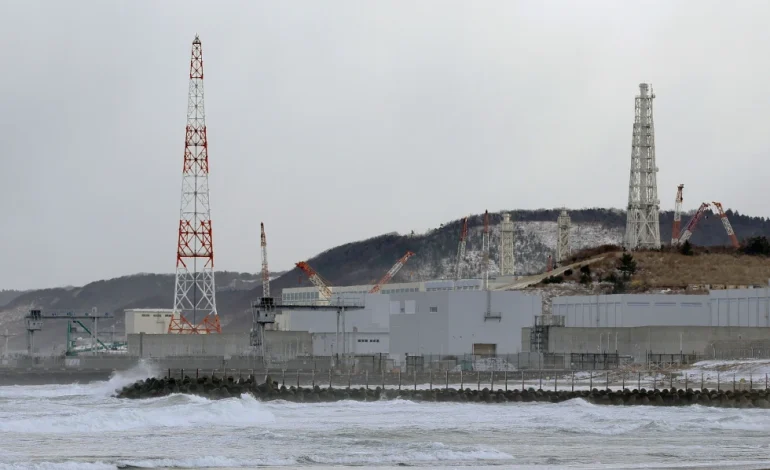
A big restart turned into an even bigger pause at Japan’s largest nuclear plant this week when operator Tokyo Electric Power Co. (TEPCO) shut down a reactor just hours after bringing it back online.
The No. 6 unit at the Kashiwazaki-Kariwa plant was restarted Wednesday night – the first TEPCO-run reactor to go back into service since the 2011 Fukushima disaster – but the startup was cut short early Thursday after an alarm sounded during work to pull control rods from the core. TEPCO said it would stop the reactor to investigate the glitch.
Plant chief Takeyuki Inagaki told reporters the operation was halted after an alarm went off once 52 of the unit’s 205 neutron-absorbing control rods had been withdrawn – a procedure needed to begin stable fission. He said TEPCO planned to reinsert the rods later to bring the reactor to a safe shutdown and would “examine it inside out,” but warned the problem might not be fixed in a couple of days. The company said the malfunction did not pose a safety risk.
TEPCO also reported that workers had replaced electrical components tied to the control-rod operation and monitoring panel after the alarm, but the issue persisted, prompting the decision to suspend operations while engineers dig into the cause. Company officials gave no firm timeline for when – or if – the reactor will be restarted again.
The restart had been watched closely because Kashiwazaki-Kariwa is the world’s largest nuclear power station by capacity and because TEPCO still wrestles with the fallout from Fukushima. Getting No. 6 up and running would have added roughly 1.35 million kilowatts of generation – enough to power more than a million households in the Tokyo area – and been a marquee win for Japan as it leans back toward atomic power to meet rising electricity needs.
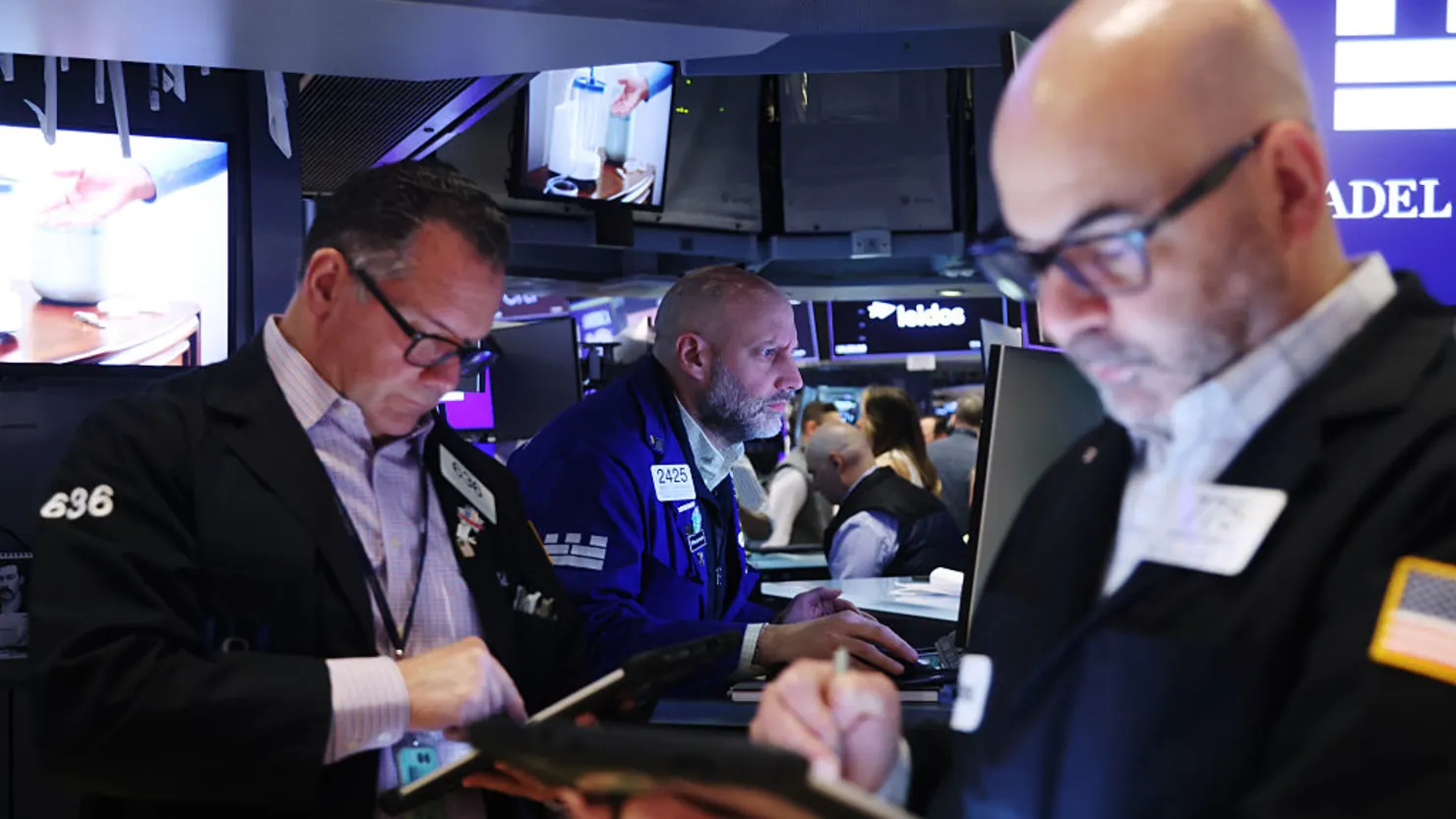
Markets reacted: TEPCO shares tumbled after the shutdown announcement, underperforming a market that was otherwise climbing. Regulators and local communities will be watching closely; after Fukushima, any hiccup at a TEPCO plant draws sharp scrutiny and fresh questions about safety culture and oversight.
For now, the episode is a reminder that restarts are rarely routine. Even after years of checks, upgrades and regulatory reviews, bringing old reactors back online can uncover stubborn technical gremlins – and public patience is thin. TEPCO says caution comes first; for residents and regulators, that’s the only acceptable response.



The latest news in your social feeds
Subscribe to our social media platforms to stay tuned