



Axios, CNBC, the Guardian, and the New York Times contributed to this report.
Wall Street had plenty to digest this morning, and at the top of the list is a full-blown legal fight between President Donald Trump and America’s biggest bank.
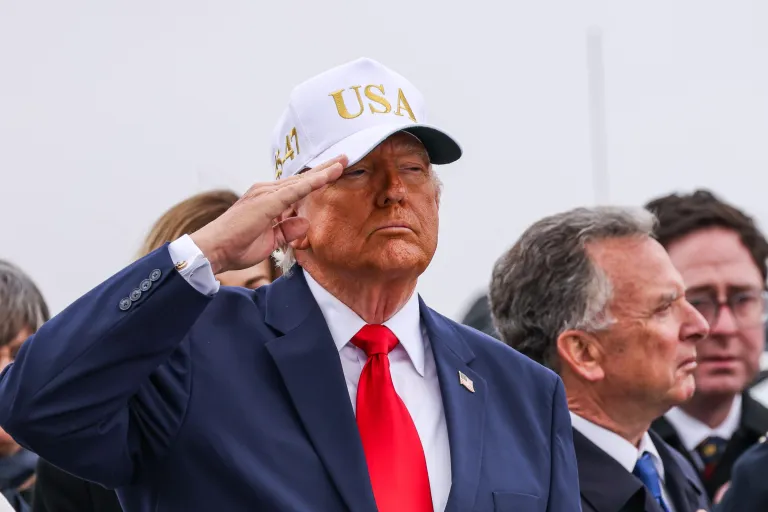
Trump is suing JPMorgan Chase and its longtime CEO Jamie Dimon, accusing the bank of politically motivated “debanking” after it shut down his accounts in early 2021. The lawsuit, filed Thursday in Florida state court, seeks at least $5 billion in damages and marks a dramatic escalation in a relationship that once looked surprisingly friendly.
According to the complaint, JPMorgan gave Trump and his related businesses 60 days’ notice before closing their accounts but failed to explain why. Trump and his lawyer, Alejandro Brito, argue the move caused “considerable financial harm,” forcing the president and his businesses to scramble to move funds elsewhere.
Trump didn’t mince words when speaking to reporters. “You’re not allowed to do what he did,” he said, accusing Dimon of cutting him off for political reasons. Brito’s filing goes further, claiming JPMorgan’s alleged “woke beliefs” led it to distance itself from Trump and his conservative views following the Jan. 6 Capitol riot.
JPMorgan strongly disagrees. The bank says it does not close accounts for political or religious reasons, but for legal and regulatory risk. In a statement, JPMorgan said it believes the lawsuit has “no merit” and plans to fight it.
Wall Street analysts aren’t exactly bracing for a courtroom thriller. TD Cowen said Thursday that dismissal is the most likely outcome, and even if the case moves forward, a settlement is far more probable than a full trial.
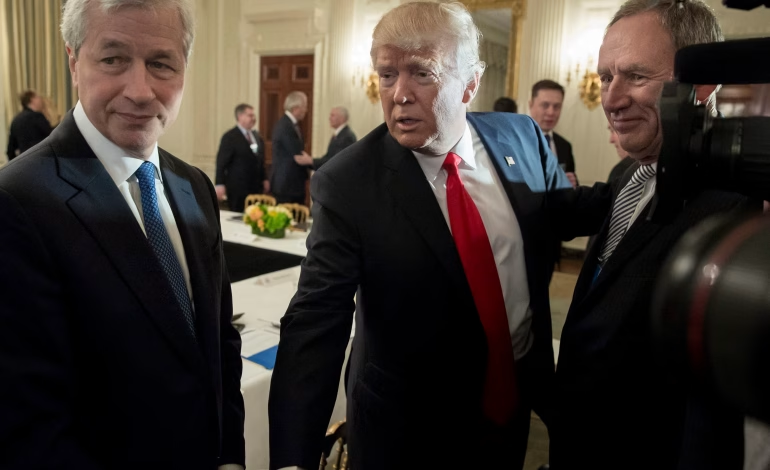
The lawsuit underscores just how far Trump and Dimon have drifted apart. Back in 2016, Dimon – then widely admired as the most powerful banker in America – joined Trump’s business advisory council and was even rumored to be a potential Treasury secretary. While Dimon is a lifelong Democrat, he publicly said he’d help any US president.
That détente didn’t last. Dimon broke sharply with Trump after the Charlottesville rally in 2017, later taking shots at Trump’s intelligence and leadership style. Trump, never one to let a jab slide, returned fire online.
Still, there was overlap on tax cuts, deregulation and parts of trade policy – until Jan. 6 changed everything. Corporate leaders, Dimon included, condemned the Capitol riot, and Trump claims that condemnation led directly to JPMorgan closing his accounts.
The tension has only grown during Trump’s second run. Dimon has publicly warned against Trump’s attacks on Federal Reserve independence and criticized proposals like a cap on credit card interest rates, calling it an “economic disaster.” Trump, meanwhile, has suggested Dimon benefits from higher rates and accused him of backing rival politicians.
One day after Dimon publicly backed Fed Chair Jerome Powell and warned about eroding trust in US institutions, Trump filed his lawsuit.
Elsewhere in Morning Squawk land, TikTok finally secured its future in the US ByteDance agreed to hand over control of the app’s American operations to a new joint venture backed by US investors, including Oracle and private equity heavyweights.
The deal appears to sidestep a looming ban, though national security concerns haven’t magically disappeared. For users, though, it’s business as usual – scrolling uninterrupted.
Trump’s lawsuit is rattling nerves in corporate America, not because JPMorgan is expected to lose, but because it reinforces a message executives know well by now: no company is too big to end up in Trump’s crosshairs.
Between pressure on banks, fights over TikTok, and public attacks on the Fed, the White House is signaling it still wants a heavy hand in how private business operates. For Wall Street, it’s another reminder that politics – not just earnings – may be the biggest market mover of all.

The latest news in your social feeds
Subscribe to our social media platforms to stay tuned